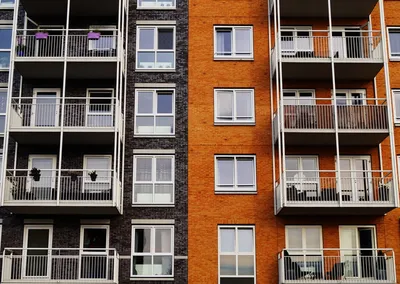
Cheap Housing Options: 10 Realistic Ways to Pay Less for Rent

Cheap housing options are ways to pay less for a place to live, from sharing a home to getting help with rent. Some lower your costs this month, while others take months of waiting but cut your rent the most.

Disclosure: This post may contain affiliate links. As an Amazon Associate, we earn from qualifying purchases. This comes at no extra cost to you. Read our full disclosure, or see how we review platforms.
Cheap housing options are ways to pay less for a place to live, from sharing a home to getting help with rent. Some lower your costs this month, while others take months of waiting but cut your rent the most.
Rent is the biggest monthly bill for most people, and it rarely goes down on its own. The good news is that you have more ways to cut it than you might think.
In this guide, you’ll get the 10 cheap housing options that work for most people in the United States, ranked. For each one, you’ll see who it fits, what you’ll pay, how fast it helps and the exact first step to take today.
I’ll also show you the long shots, the budget math landlords use and what to do if you can’t pay rent right now.
Key Takeaways
- Renting a room is the fastest fix. You can often move in within days and split the bills with everyone else.
- Ask before you move. A short email with three cheaper listings can lower your rent at renewal.
- Timing and location matter. Winter moves, longer leases and a few more stops out often mean lower rent.
- Get on waiting lists today. Income-restricted apartments, public housing and Section 8 cut rent the most, but the lists take months.
- Check the budget math. Keep rent near 30% of your gross pay, and expect landlords to want 40 times the rent in yearly income.
- If you're behind on rent, call 211. It connects you with emergency rental help near you.
Pick Your Best Option in 30 Seconds
Not sure where to start? Here’s a quick way to jump to the option that fits you best.
| If you… | Start with |
|---|---|
| Need lower rent this month | #1 Rent a room or #2 Downsize |
| Like where you live but pay too much | #3 Negotiate and #4 Timing and lease length |
| Earn a lower income | #6 Income-restricted apartments and #7 Section 8 today, because waiting lists take months |
| Live in New York City or Los Angeles | #8 Housing lotteries |
| Can work from anywhere | #10 Move to a cheaper city |
Everyone should read the budget section near the end before signing anything.

How These Options Were Ranked
I ranked every option by two things: how many renters can use it, and how fast it lowers what you pay. An option you can start with the money, job and life you have now ranks higher than one that needs luck or a big move.
So the top of the list is boring on purpose. Renting a room won’t make a fun story, but it can cut your rent faster than almost anything else.
Ideas that need a lot of cash upfront or a big life change didn’t make the main list, like buying a mobile home or living in a van. You’ll find them in a short Long Shots section near the end, with who they suit and the deal-breaker for each.
Rent prices change fast and vary block by block. So instead of quoting numbers that may be stale by now, I’ll show you how to get your own local number in a few minutes.
The 10 Best Cheap Housing Options
Here are the options, from fastest and most widely useful to slowest. Most people will mix two or three of them.
1. Rent a Room in a Shared House
Renting a single room is the fastest way to cut your rent. You pay for one bedroom and split the kitchen, living room, utilities and internet with everyone else.
It fits single renters, students, new grads and anyone who can live with house rules. Skip it if you have kids, several pets or a strong need for privacy.
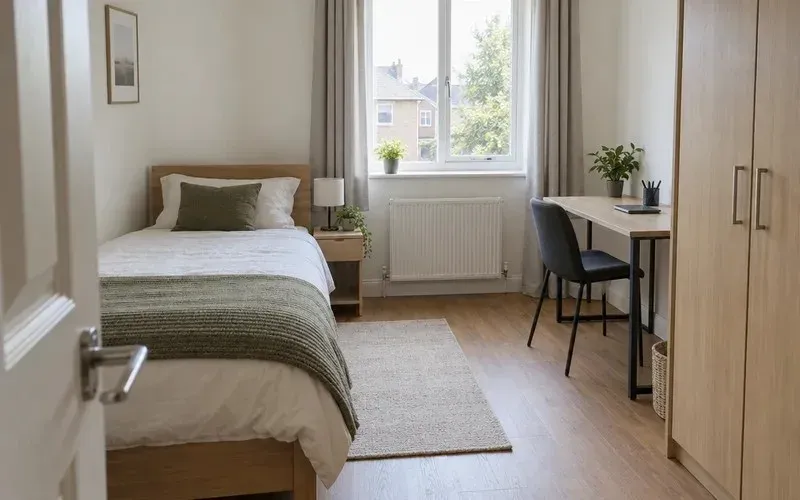
Rent is usually a fraction of a one-bedroom apartment in the same area. Many rooms come furnished, so you also skip buying furniture.
Rooms turn over constantly, and many hosts let you move in within days. Here’s how to do it:
- Set your max price and the areas you can commute from.
- Search SpareRoom and Roomies.com, which are built for room listings, plus Facebook Marketplace and Craigslist under “rooms for rent.”
- Message five listings the same day, then book video or in-person viewings.
- Ask who pays which bills, how chores work and whether you get a written agreement.
Here’s what to send:
Hi, I work full time, I’m quiet and I can move in on the 1st. Is your room still available, and are utilities included?
The catch is scams, since fake listings ask for a deposit before you see the room. Never send money before you’ve seen the room and met the person who lives there, in person or on a live video call.
Want more space than a single room? Split a bigger place instead.
Two people sharing a two-bedroom apartment usually pay less each than one person in a one-bedroom.
If you go this route, put every roommate on the lease and agree in writing how you’ll split rent, utilities and the deposit. That one step prevents most roommate fights about bills.
If you need lower rent fast, this is where I’d start.
2. Downsize to a Studio or an Older Building
Most people can live in less space than they think. A studio apartment or a smaller one-bedroom in the same neighborhood often rents for noticeably less than the place you have now.
Older buildings help too. An apartment without a gym, doorman or in-unit laundry usually rents for less than a new build next door, and you get the same location.
In a few places, such as San Francisco and New York City, some older apartments are rent-controlled. That limits how much the landlord can raise the price each year.
Ask the leasing office directly whether a unit is covered, and look up your city’s rent rules so you know what protections come with it.
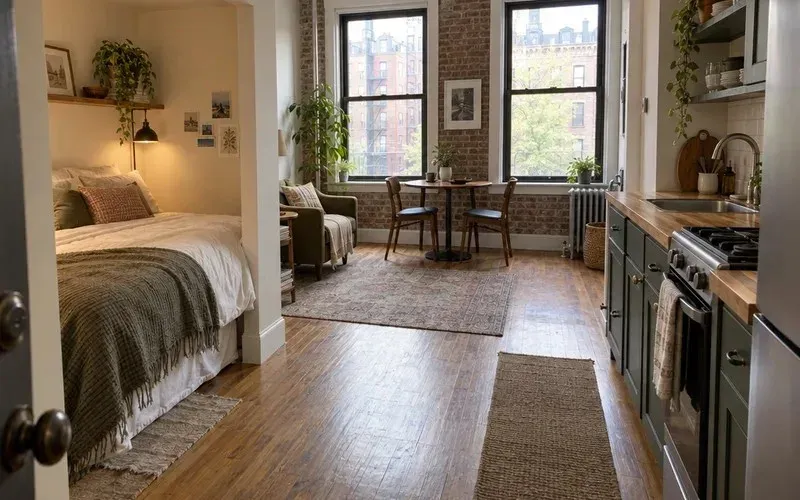
It fits people who want their own place but don’t need the extra room. Skip it if you work from home in a job that needs a separate office.
Expect to pay for a move plus a new security deposit, which is often one month’s rent. Weigh that against your monthly saving.
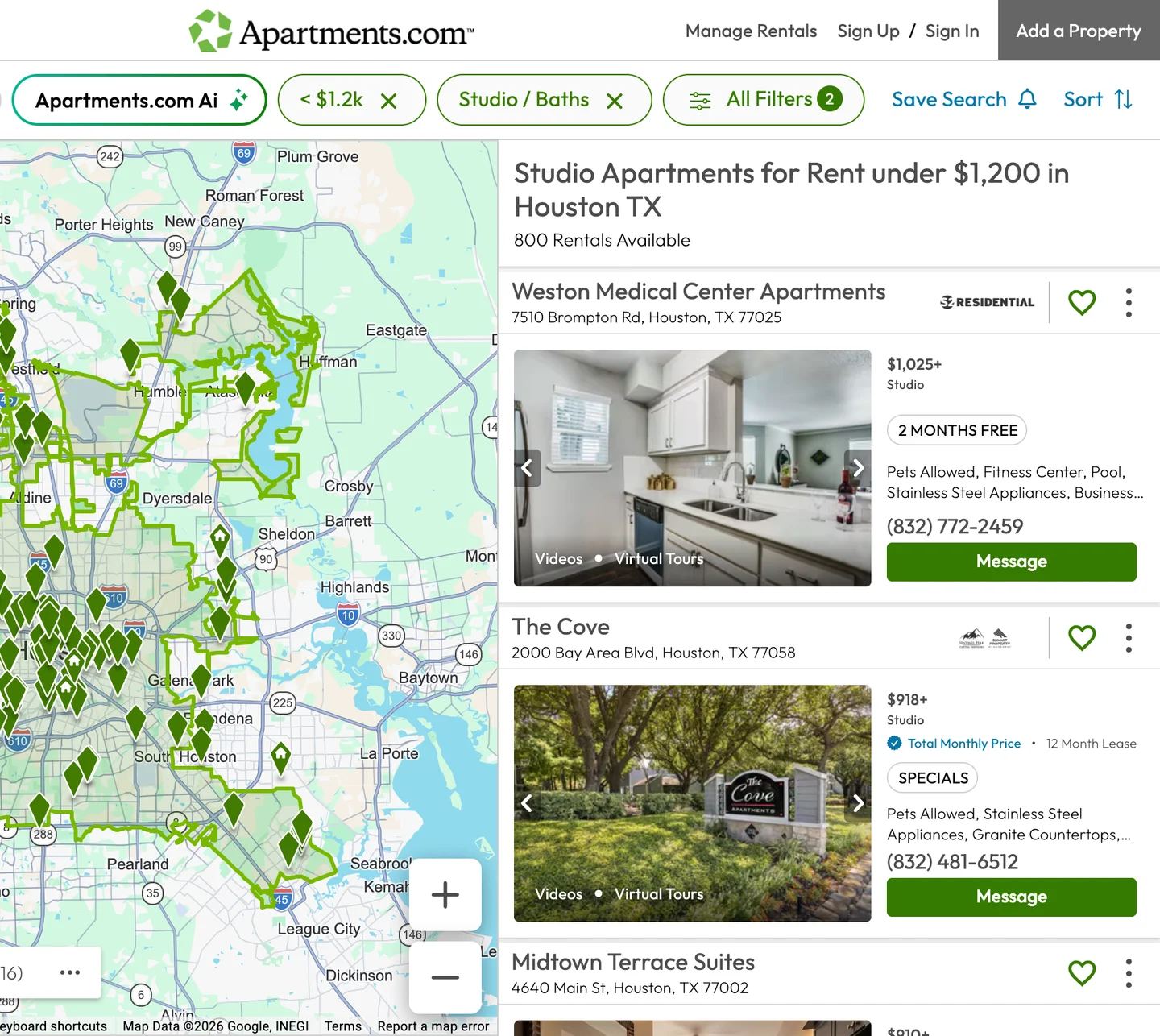
The catch is a long commute, which can eat up the saving in gas and time. Check the commute on a map at rush hour before you apply.
3. Negotiate Your Rent (Seriously)
Few renters ever ask for a lower rent. That’s a mistake, because landlords lose real money when a unit sits empty, and many would rather keep a good tenant.
This works best at renewal time, but you can also negotiate on a new apartment.
It fits anyone with a solid payment history or a strong application. Skip it if your area has almost no vacancies and apartments rent the day they’re listed.

Here’s how to do it:
- Search your building and nearby buildings on Zillow or Apartments.com, and save three similar apartments that list for less.
- Email your landlord or property manager 60 days before your lease ends.
- Offer something back, like a longer lease or a move-in date that fills a gap.
Here’s what to say:
Hi, I’ve paid on time for two years and I’d like to stay, but similar units nearby are listed for less. Can you keep my rent the same, or lower it, if I sign for 18 months?
If the landlord won’t budge on rent, ask for something else. A free parking spot, a waived fee or a smaller increase still leaves you better off.
The catch is asking without proof. A landlord will ignore “it feels too high,” but they’ll take three real listings seriously.
For more ways to trim the bill you already pay, see our guide to saving money on rent.
4. Time Your Move and Sign a Longer Lease
When you move matters almost as much as where. Demand for rentals usually peaks in summer, when students and families move, and drops off in the colder months.
Fewer people hunting means landlords have more empty apartments and more reason to deal. A longer lease can help too, since many landlords will trade a lower rent for a tenant who stays.
It fits anyone with a flexible move-in date. Skip it if your lease ends in summer and you can’t extend it month to month.
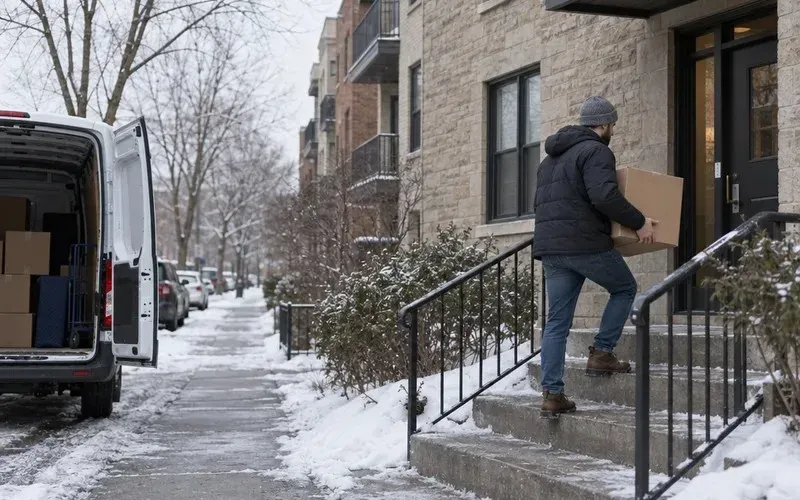
A month-to-month extension may cost a little more for a short time, but it can move your lease end into a cheaper season.
Then, when you search, ask every landlord this:
What would the rent be on a 12-month lease versus an 18- or 24-month lease?
The catch is that a long lease locks you in. If you might change jobs or cities, read the early termination clause before you sign.
5. Look Farther Out: Cheaper Neighborhoods and Longer Commutes
Neighborhoods near downtown and near train stations tend to rent for more. Move a few stops out, or into a nearby suburb, and the same apartment often rents for less.
It fits people with a car, a remote or hybrid job, or a commute they can handle. Skip it if a longer trip would mean buying a car you don’t have.
You may pay more for gas, a bus pass or train fare, so subtract that from what you save. Here’s how to do it:
- Open the map view on Zillow or Apartments.com and drag it outward from where you work.
- Note the first neighborhoods where listings drop below your budget.
- Check the real commute time on Google Maps for your actual work hours.
- Add up what you’d spend each month on transit or gas, and subtract it from the rent saving.
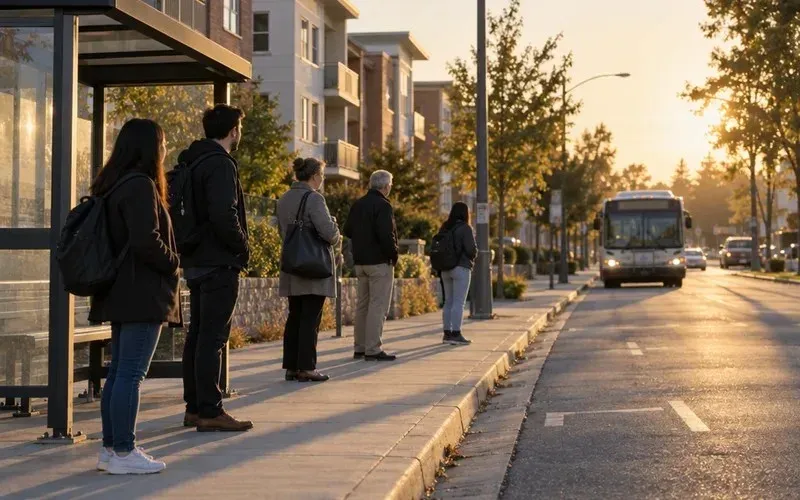
Add up the commute before you fall in love with the rent. If you drive, these tips on saving money on gas help protect the saving.
6. Apply for Income-Restricted Apartments
Income-restricted apartments are regular buildings, often privately owned, that keep some or all apartments at lower rents for people under an income limit. Many were built with a federal tax credit called the Low-Income Housing Tax Credit, or LIHTC.
You don’t need a voucher for these. You just need to earn under the limit and pass the building’s normal screening.
It fits working people with low to moderate incomes, and many limits reach well above minimum wage, so check even if you think you earn too much. Skip it if your income is clearly above your area’s limit.
Rent is set below market for the area, and you pay a normal application fee and deposit. It can help in a few weeks if a unit is open, or several months if the building keeps a waiting list.
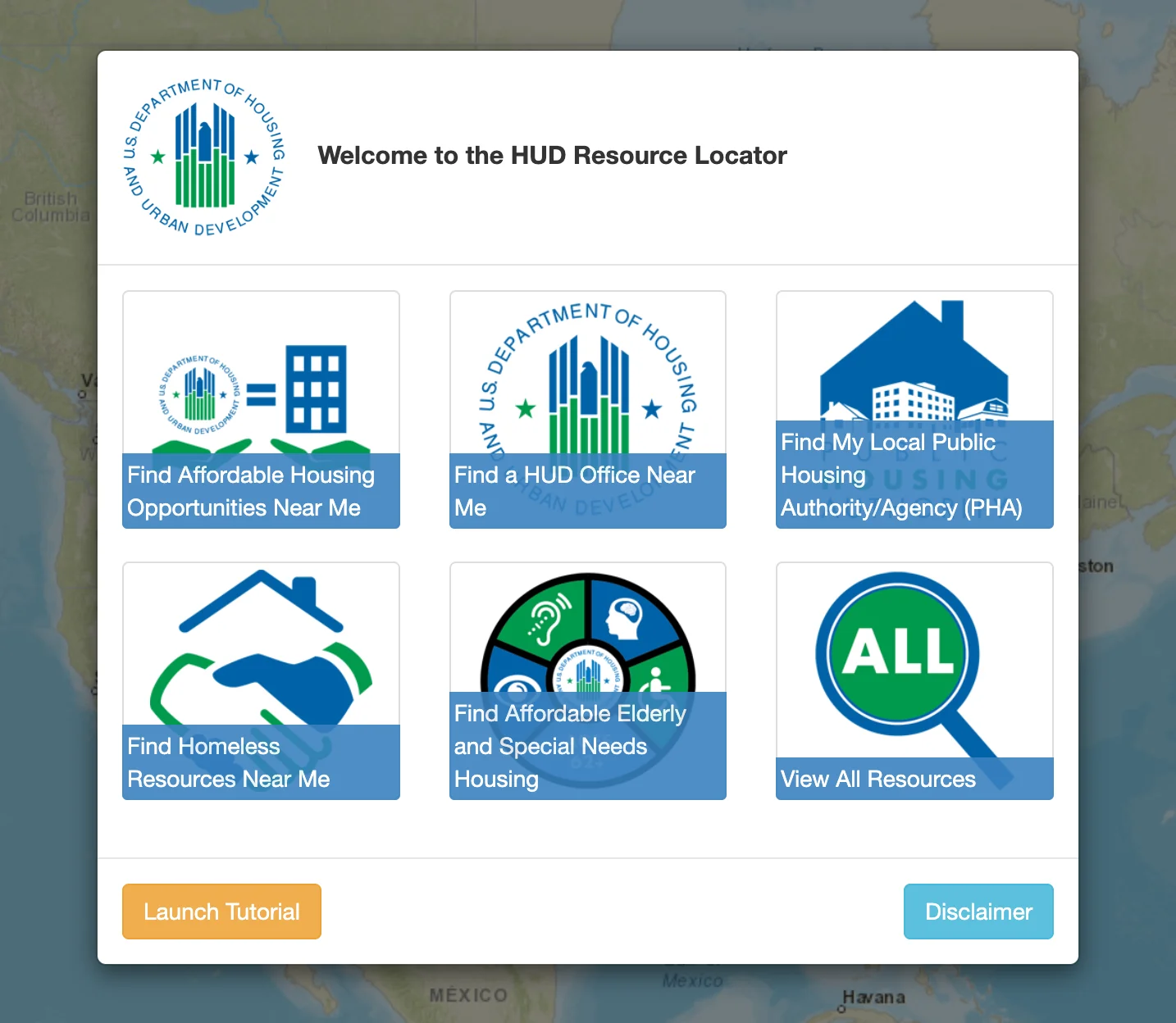
Here’s how to apply:
- Look up your area’s income limits on HUD’s income limits page.
- Call each building’s leasing office and ask: “Do you have income-restricted units, and is your waiting list open?”
- Apply to every building that says yes, not just your favorite.
- Keep pay stubs, ID and tax returns ready, since you’ll need them for each application.
What about listings that promise “no waiting list”? They usually mean a building has a unit open right now, so call the same day you see one.
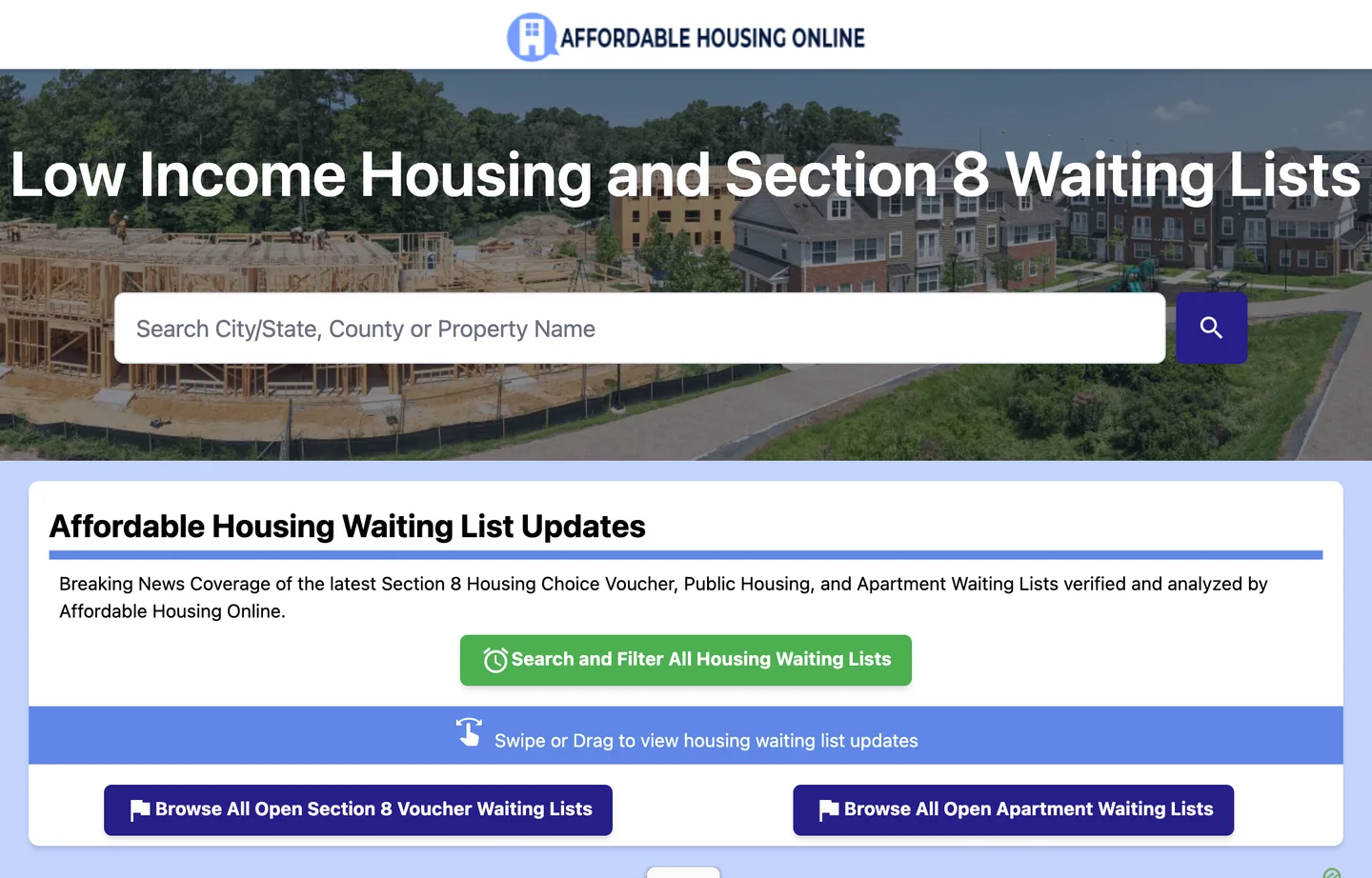
The catch is applying to one building and waiting. Apply to five or more, and call each list every couple of months so they know you’re still interested.
7. Get on Public Housing and Section 8 Waiting Lists
These are the two biggest rent help programs in the United States. With public housing, you rent an apartment owned by your local Public Housing Authority (PHA).
With a Housing Choice Voucher, often called Section 8, you rent from a private landlord and the voucher pays part of the rent. Both are funded by the U.S. Department of Housing and Urban Development, or HUD.
Why does this matter? Your share of the rent is based on your income, generally around 30% of your adjusted income.
For a low-income renter, that can be the cheapest housing there is.
It fits low-income renters, seniors, people with disabilities and families. Skip it if you need help this month, since this option won’t arrive in time on its own.
Many lists are long, and some open only for a few days at a time. That wait is exactly why you should apply today, because every month you wait to apply is a month added to the end.
Here’s how to do it:
- Find every PHA near you on HUD’s PHA contact list.
- Check each PHA’s website for open public housing and voucher waiting lists.
- Apply to every open list within a reasonable distance, since you can be on several at once.
- Update your address, phone and email with each PHA whenever they change.
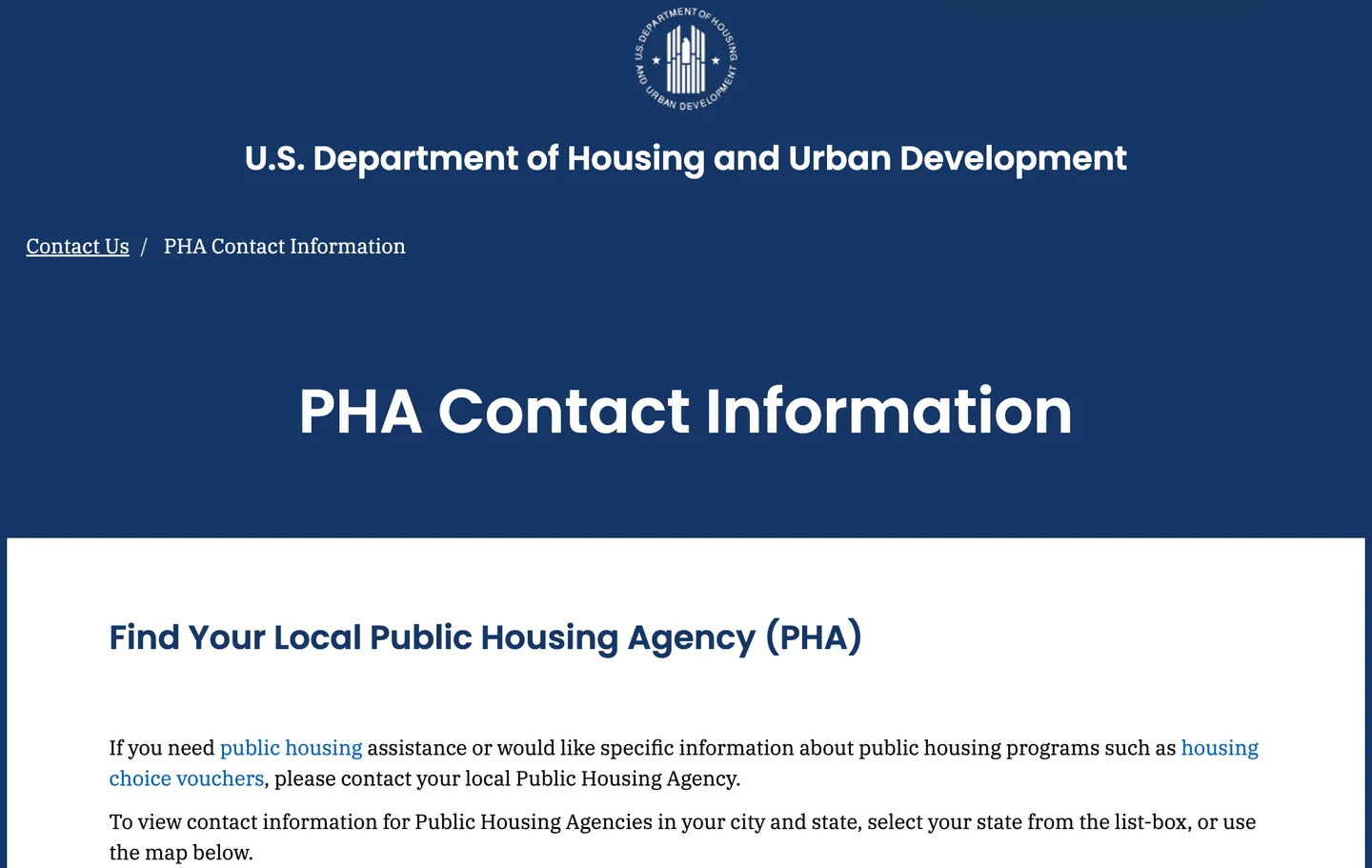
The catch is missed mail, because PHAs drop people who don’t respond to a letter in time. So give them a reliable address, and check your mail and spam folder weekly.
8. Enter Affordable Housing Lotteries
Some big cities fill new affordable apartments by lottery. In New York City, you apply through NYC Housing Connect, the city’s portal for affordable housing lotteries.
In Los Angeles, the Housing Authority of the City of Los Angeles, known as HACLA, has used lotteries to fill its voucher waiting list. Other cities run similar programs through their housing departments.
It fits renters in large cities whose income falls within a building’s range, and some lotteries are open to middle incomes, not just low incomes. Skip it if your city has no lottery system.
Rent stays below market under the building’s program rules. You might be picked in months, or not at all.
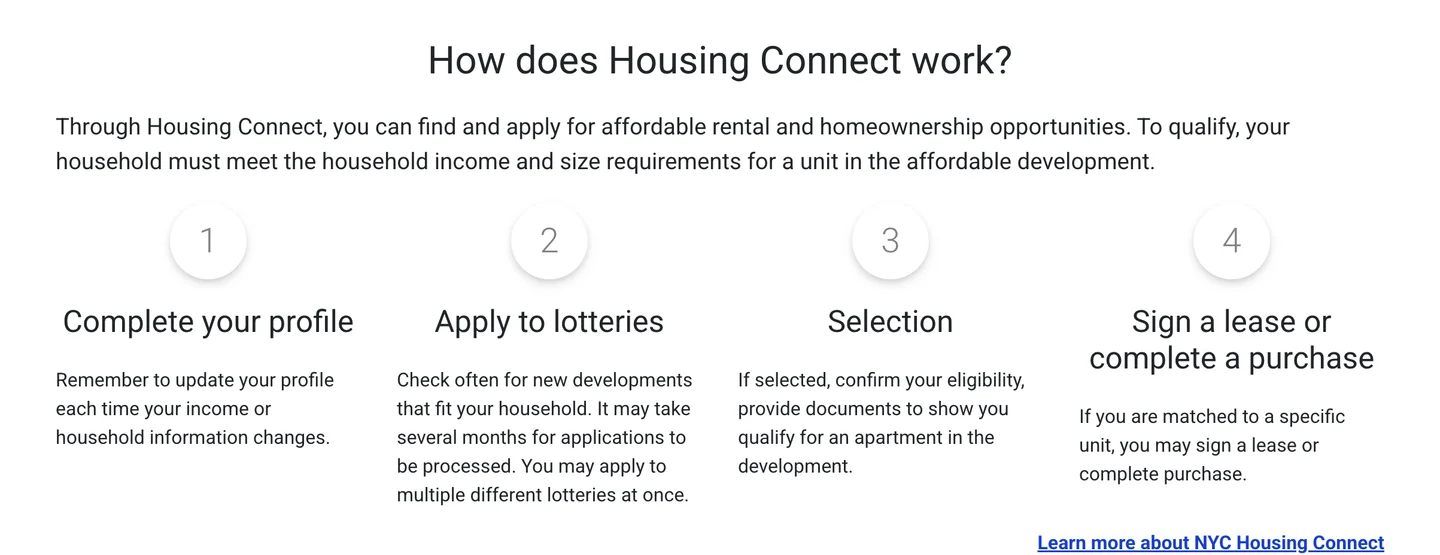
The catch is paying for help. Official lotteries are free, and no one can sell you a better spot.
If someone asks for a fee to “guarantee” a unit, walk away.
9. Trade Work for Rent
Some jobs come with a free or discounted place to live. The most common is a resident or on-site apartment manager, who handles move-ins, rent collection and small issues in exchange for a cheaper apartment.
Live-in caretaker jobs and some maintenance jobs work the same way.
It fits organized people who don’t mind being on call. Skip it if you need clear boundaries between work and home.
Read any offer carefully, because a free unit may come with a lower wage.

The catch is that losing the job means losing the home. Before you accept, ask how much notice you’d get to move out if the job ends, and get the answer in writing.
10. Move to a Cheaper City
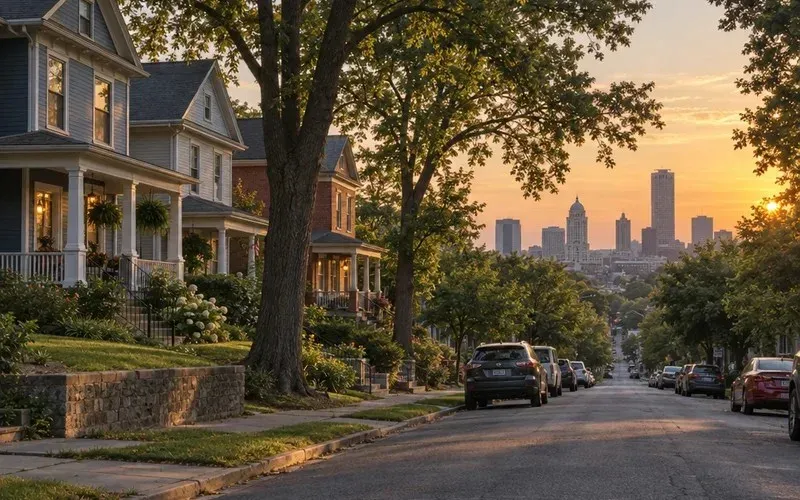
If your job is remote, or you can find work elsewhere, moving can cut your rent more than most other options. Rankings of the cheapest places to rent in the United States tend to be filled with midsize cities in the Midwest and South.
Cities like Wichita, Kansas; Toledo, Ohio; El Paso, Texas; and Akron, Ohio show up again and again on those lists. So do Cedar Rapids, Iowa; Lincoln, Nebraska; Fort Wayne, Indiana; and Huntsville, Alabama.
It fits remote workers and people ready for a fresh start. Skip it if your job, family or support system is tied to where you live.
Budget for a full move, a deposit, first month’s rent and a few weeks of overlap. Here’s how to check a city in about 10 minutes:
- Open HUD’s Fair Market Rents tool and look up the county’s typical rent for your size of unit.
- Search Zillow or Apartments.com in that city with your max price, and count the listings.
- Search Indeed for your job title there to see whether the pay holds up.
That last step matters because a cheap rent with a much lower salary leaves you no better off. Compare what’s left after rent, not rent alone.
Check the wider cost of living too. A low rent in Wichita or Toledo helps less if car insurance, utilities and groceries eat up the difference.
If you’re remote, ask your employer first whether moving changes your pay. Some companies adjust salaries by location, and that can erase the saving.
The catch is moving for rent alone. Visit for a few days first, and check the jobs, the commute and the neighborhoods before you sign a lease.
If you don’t work remotely yet, these work-from-home jobs that pay weekly can make a move possible.
Cheap Housing Options Compared
Here’s how the 10 options stack up on cost, speed and the first move you should make.
| Option | Pay to start | Time to help | First step |
|---|---|---|---|
| 1. Rent a room | Deposit | 1 to 2 weeks | Search SpareRoom |
| 2. Downsize | Move and deposit | 1 to 2 months | Filter Zillow by price |
| 3. Negotiate rent | Free | At renewal | Save 3 cheaper listings |
| 4. Timing and lease | Free | Next move | Check your lease end date |
| 5. Farther out | Commute costs | 1 to 2 months | Use the map view |
| 6. Income-restricted | Application fee | Weeks to months | HUD Resource Locator |
| 7. Public housing, Section 8 | Free | Months to years | HUD PHA contact list |
| 8. Housing lotteries | Free | Unpredictable | City lottery portal |
| 9. Work for rent | Your time | 1 to 3 months | Search "resident manager" |
| 10. Cheaper city | Full move | 2 to 6 months | HUD Fair Market Rents |
Notice the pattern: the fastest options cost little and need no approval, while the deepest savings take the longest. That’s why I recommend you do one fast option now and apply to the slow ones the same week.
Long Shots Worth Knowing About
These can work, but each needs money, skills or a big life change. Here’s who each one suits and the deal-breaker.
| Long shot | Suits | The deal-breaker |
|---|---|---|
| Manufactured or mobile home | People ready to buy who want low monthly bills | You may still pay lot rent, and some homes are hard to finance or resell |
| House hacking | Buyers who rent out a duplex unit or spare rooms | You need a down payment and good credit, and you become a landlord |
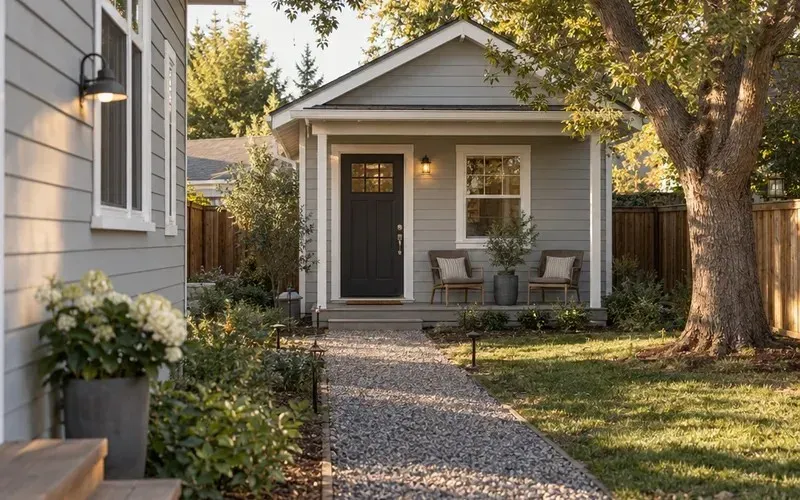
| Tiny house or backyard unit | People with land or a family member's backyard | Zoning rules often limit where you can live in one |
| Housing co-op | People who want shared ownership and bills | Co-ops are rare in most areas, and openings are limited |
| Van or RV living | People who travel for work | Parking, safety and winter weather |
If one of these fits your life, research your local rules first. Zoning and financing kill more of these plans than anything else.
For more unconventional setups, from house sitting to co-living, see our guide to cheap housing alternatives.
How Much Rent Can You Actually Afford?
Before you sign anything, check the numbers. Two rules come up again and again, and landlords use the second one to screen you.
The first is the 30% rule. Housing that costs more than 30% of your gross income is widely treated as a burden, which is why it’s a common budget ceiling.

The second is the 40x rule. Many landlords, especially in New York City, want your yearly income to be about 40 times the monthly rent.
Here’s the math if you earn $20 an hour, full time:
- $20 × 40 hours × 52 weeks = $41,600 a year, or about $3,467 a month before taxes.
- 30% of $3,467 is about $1,040 a month.
- Under the 40x rule, $41,600 ÷ 40 = $1,040 a month as well.
So in this example, rent around $1,000 is the most you should take on alone. If your other bills are high, aim lower or add a roommate.
Don’t forget the move-in bills. Budget for a security deposit, first month’s rent, application fees, the move itself and basic furniture.
If that adds up to more than you have, these tips on renting an apartment with no money can help.
What to Do If You Can’t Afford Rent Right Now
If you’re behind on rent or about to lose housing, the long waiting lists above won’t help in time. Do these things today instead.
First, call or text 211, or search on 211.org. It connects you with local emergency rental assistance, shelters and housing programs in one place.

Next, talk to your landlord before the rent is late. Here’s what to say:
I’ve hit a rough patch and can pay part of this month’s rent now. Can we set up a payment plan for the rest?
Many landlords will take a plan over an eviction, which costs them time and money too. Get any agreement in writing.
Then line up a backup. Staying with family or friends for a few months, or renting a single room, can keep you housed while you apply for help.

If you get an eviction notice, contact a local legal aid office right away. Many offer free help to renters, and acting early gives you more options.
To cover a short gap, these ways to raise money fast can help too.
Frequently Asked Questions
What is the cheapest housing option?
For most people, renting a single room in a shared house is the cheapest option you can start this month. You pay for one bedroom and share the kitchen, bills and internet.
If your income is low, public housing or a Section 8 voucher usually costs less, because rent is based on your income. Get on your local waiting lists today, then rent a room while you wait.
Can I afford $1000 rent making $20 an hour?
Usually, yes, but it’s tight. Working full time, $20 an hour is about $3,467 a month before taxes, and 30% of that is about $1,040.
The catch is that a landlord using the 40x rule wants $40,000 a year for $1,000 rent, so you’d just pass at $41,600. Add a roommate or a cheaper unit if your other bills are high.
Where do I live if I can’t afford rent?
Call or text 211 first. It connects you with local emergency rental assistance, shelters and housing programs in one call.
While you wait for help, stay with family or friends if you can, or rent a single room. Then apply to every open public housing and Section 8 waiting list near you.
Where can you rent for $500 a month?
You’ll find $500 rent mostly as a room in a shared house, in small towns, or in income-based apartments where rent follows your income. Full apartments at that price are rare in big cities.
Start by searching rooms on SpareRoom or Facebook Marketplace with a $500 maximum. Then check HUD’s Resource Locator for income-based buildings near you.
Where can I live for $800 a month in the USA?
Many midsize cities in the Midwest and South, such as Wichita, Toledo, El Paso and Akron, have one-bedroom apartments around that price. In costly metros, $800 usually means a room or a studio in an outer neighborhood.
To check a city fast, open Zillow or Apartments.com, set an $800 maximum and count the one-bedroom listings.
What states have the cheapest housing?
Cheap-rent rankings tend to be filled with cities in the Midwest and South, in states like Kansas, Ohio, Texas, Iowa, Indiana and Alabama. Rent can still vary a lot between cities in the same state.
Compare any county you’re considering with HUD’s Fair Market Rents tool, which lists typical rent by number of bedrooms.
What are the three types of affordable housing?
The three main types are public housing, owned by a local housing authority; Section 8 vouchers, which help you pay a private landlord; and income-restricted apartments, privately owned buildings with capped rents. You can apply to all three at once, and I recommend you do.
The Bottom Line
The cheapest housing options are usually the least exciting ones: a room, a roommate, a smaller unit or a better deal on the place you already have. Start with the fastest one that fits your life this week, and get on every waiting list you qualify for while you’re at it.
Which option from this list are you going to try first?

Jason is a personal finance expert and the founder of Frugal For Less. He has spent over a decade researching and testing hundreds of money making apps, survey sites, and savings strategies to help readers earn more and keep more of their hard-earned cash.
More about the author →
Want to learn how to make an extra $1,000 per month?
Download our free guide with:
- 10 Side Hustles to Make $1,000/month
- Worksheet for setting money making goals
- Resource List to help you succeed