15 Cheapest Businesses to Start, Ranked by What You Pay Upfront

The cheapest business to start can cost $0 if you already own a phone and a computer. You sell your time, so there are no products to buy first.

Disclosure: This post may contain affiliate links. As an Amazon Associate, we earn from qualifying purchases. This comes at no extra cost to you. Read our full disclosure, or see how we review platforms.
Want to Make Extra Money Now?
Here are our 4 favorite free ways to start:
- Survey Junkie Most Popular Earn up to $50 per survey with the #1 survey site. Start Earning
- Freecash $10 Bonus Get paid to play games, try new apps & take surveys. Start Earning
- Sproutful Free Surveys with a $5 minimum cashout & fast payouts. Get 50 Point Bonus
- Swagbucks $5 Bonus Get paid for surveys, videos & shopping online. Get $5 Bonus
The cheapest business to start can cost $0 if you already own a phone and a computer. You sell your time, so there are no products to buy first.
Not every cheap business is free, since some need a sign-up fee, a few supplies or one machine before your first job. The priciest on this list costs about as much as a pressure washer.
The startup price is only part of the bill. Platform fees, a business name filing and taxes can all come out of your first dollars.
The paperwork is cheap, and the IRS gives out a business tax ID, called an EIN, for free. Your first customer can cost nothing too, since that customer usually comes from people you know or a free platform profile.
Here’s where to start, based on what you have now:
- Good at writing, design or editing? #1 puts those skills in front of buyers today.
- Know a subject well? #2 lets you teach from home with no certificate.
- Love animals and live near busy pet owners? #3 pays you to walk and watch them.
- Have a closet full of clothes you don’t wear? #5 turns them into your first items to sell.
- Already own a mower or a pressure washer? #13 and #15 cost you almost nothing extra.
The 15 Cheapest Businesses at a Glance
Here is the full list, with what each one costs before your first sale:
The 15 cheapest businesses to start
| # | Business | Cost to start | Best for |
|---|---|---|---|
| 1 | Freelance services on Fiverr | $0, Fiverr keeps 20% of each order | Writers, designers and editors |
| 2 | Online tutoring on Preply | $0, a commission on each lesson | People who know a subject or language |
| 3 | Pet sitting on Rover | $0, a 20% fee per booking | Animal lovers with free daytime hours |
| 4 | Odd jobs on TaskRabbit | $25 one-time fee in some cities | Handy people with basic tools |
| 5 | Reselling on Poshmark | Free to list, a fee on each sale | People with clothes to clear out |
| 6 | Print on demand with Printful | $0, you pay per order | Designers who want to sell products with no inventory |
| 7 | Digital products on Etsy | $0.20 per listing plus sale fees | People who make templates or planners |
| 8 | Virtual assistant | A computer you already own | Organized people who like admin work |
| 9 | Social media management | A phone and free scheduling tools | People who already post well |
| 10 | Bookkeeping | A computer and accounting software | Careful people who like numbers |
| 11 | Errand running | A phone and a reliable car | People who know their town well |
| 12 | House cleaning | Basic cleaning supplies | Hard workers who want repeat clients |
| 13 | Lawn care | A mower you own or borrow | Outdoor workers in suburbs |
| 14 | Mobile car detailing | A vacuum, towels and cleaners | Car people who like visible results |
| 15 | Pressure washing | One pressure washer | Homeowners with a truck or trailer |
The 15 Cheapest Businesses to Start, Ranked by Cost
Freelance services, online tutoring and pet sitting cost $0 upfront. The platform takes its fee from each job you finish instead.
House cleaning, lawn care, car detailing and pressure washing, #12 to #15, need supplies or one piece of equipment before your first customer pays you. All 15 are small business ideas that cost little to start.
1. Freelance Services on Fiverr [Best for Writers and Designers]
Fiverr is the cheapest way to start a freelance business, because you list your service for free and pay only when a buyer orders. It suits anyone who can write, design, edit, translate or make short videos.
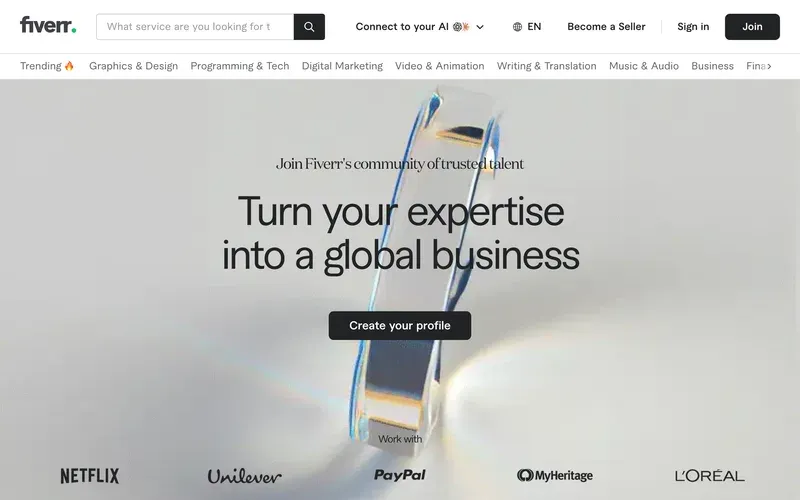
You build a “gig,” which is a page that says what you do, how fast you deliver and what it costs. Buyers search Fiverr, find your gig and pay Fiverr before you start the work.
Your real cost is the share Fiverr keeps. According to Fiverr’s earnings help page, sellers earn 80% of the purchase amount, including extras and tips (as of November 2026).
That means a $50 order puts $40 in your account. Price your gig with that 20% in mind, or your hourly pay will be lower than you think.
New sellers wait for their money, too. Fiverr’s guide for freelancers says funds clear after 14 days before you can withdraw them, with shorter waits for some higher seller levels.
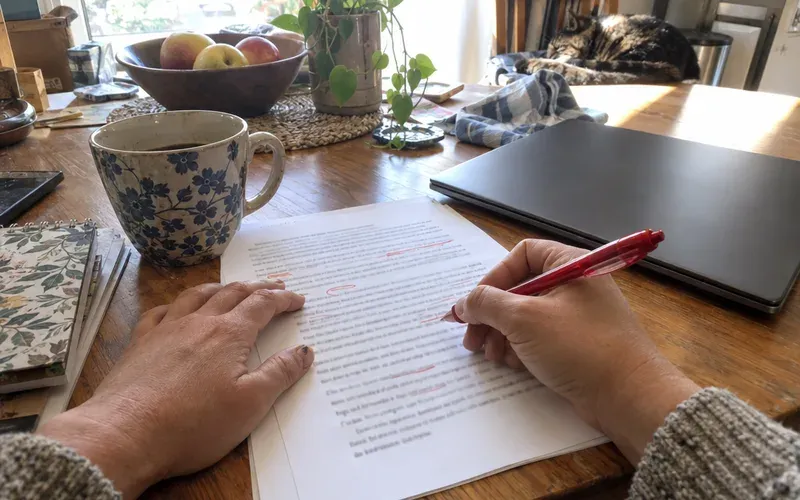
The best part? Small, clear gigs sell first, such as “I will proofread 1,000 words in 24 hours.”
Start with one narrow service and three samples of your work.
Our list of easy Fiverr gigs for beginners shows services that need no portfolio yet. These freelance writing jobs help once you outgrow one platform.
| 🎯Best For | Writers, designers, editors and video makers |
|---|---|
| 💰Cost | $0 with a computer you already own |
| 💵Payoff | 80% of each order after a 14-day clearing period |
| 👉First Step | Publish one gig with a fixed price and three samples |
2. Online Tutoring on Preply [Best for Teaching From Home]
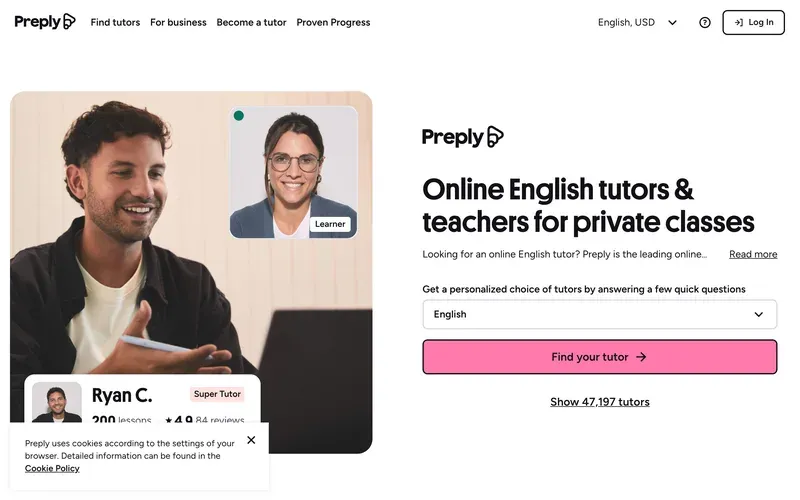
Online tutoring on Preply costs nothing to start, and you choose your own hourly rate. It fits people who know a language, a school subject or a work skill well enough to teach it.
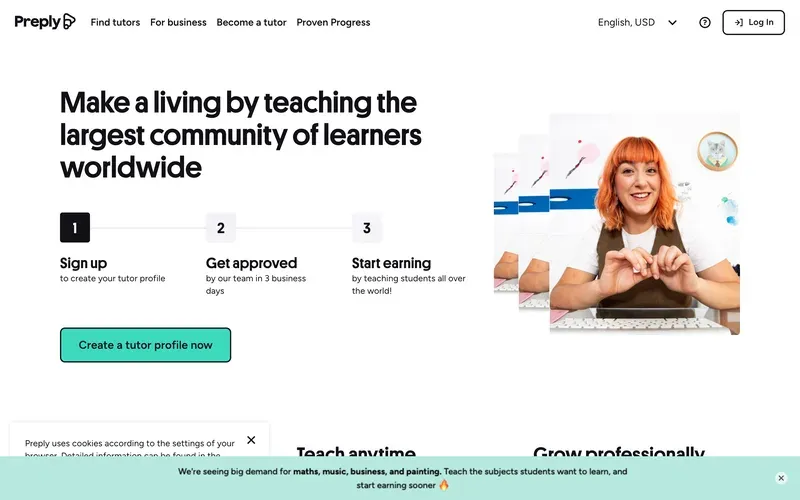
Preply’s tutor sign-up page says it is free to create a tutor profile, get exposure to students and use its tools (as of November 2026). The same page says no specific certification or teaching experience is required.
You do need the right setup. Preply asks for a laptop or desktop computer, a stable internet connection, a webcam and a microphone.
The fee works differently from most platforms.
Preply keeps 100% of your first trial lesson with each new student. After that, its commission starts at 33% and drops to 18% as you teach more hours.
Why does that matter? Your first lesson with each student pays you nothing, so the money comes from students who book again.
Price your lessons low enough to win your first reviews, then raise your rate once students keep coming back. Preply lets you change your hourly rate anytime, so you can test what works.
If you want to compare other sites before you choose, these online tutoring jobs list where tutors can teach from home.
| 🎯Best For | People who know a subject or speak a language fluently |
|---|---|
| 💰Cost | $0 with a laptop, webcam and microphone |
| 💵Payoff | Your hourly rate, minus a 33% to 18% commission |
| 👉First Step | Record a short intro video and set a beginner rate |
3. Pet Sitting and Dog Walking on Rover [Best for Animal Lovers]
Pet sitting and dog walking on Rover cost nothing upfront, since Rover takes its fee from each booking. It suits animal lovers who have free daytime hours and live near busy pet owners.
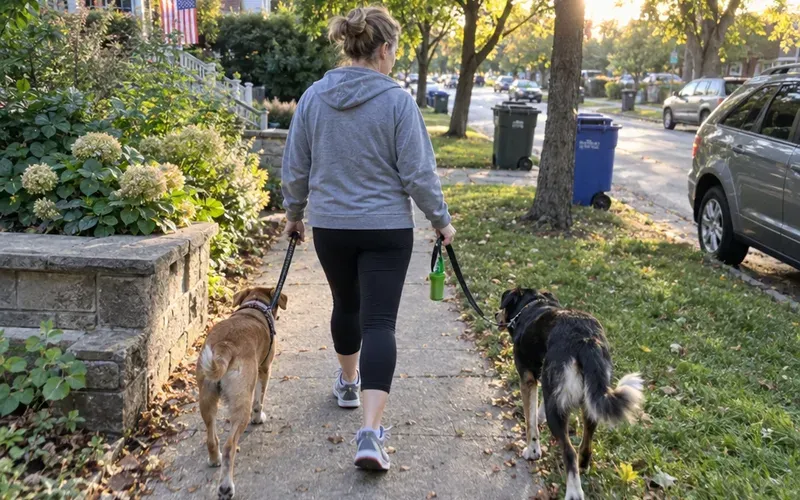
You make a profile that lists your services, such as dog walking, drop-in visits, house sitting or boarding in your home. Pet owners near you find your profile, message you and book through the app.
The main cost is Rover’s cut. Rover’s service fee page says US sitters are charged a 20% service fee per booking (as of November 2026).
That means a $25 walk pays you $20. Owners pay their own fee on top, so set your price for what you want to take home.
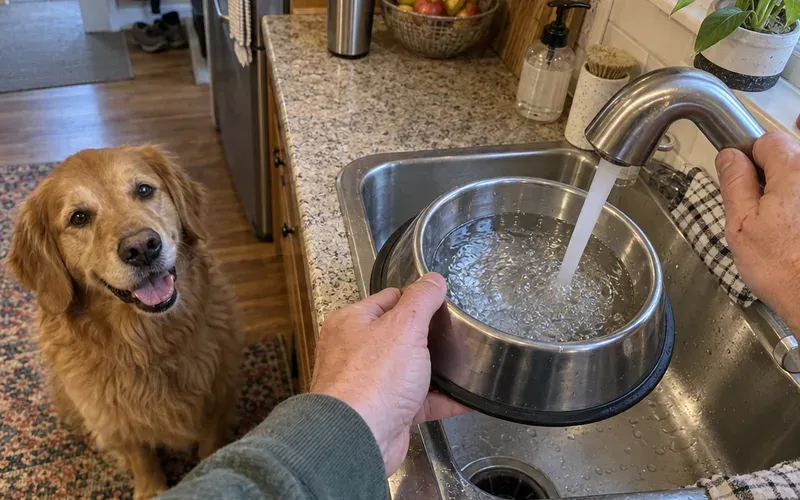
Reviews matter more than anything else on Rover. Ask friends and neighbors with pets to book you first, so your profile shows real stays and walks.
You can also find clients without an app. A note on a neighborhood board or in a local group can bring in owners who pay you directly, with no fee at all.
| 🎯Best For | Animal lovers with free daytime hours |
|---|---|
| 💰Cost | $0, with leashes and waste bags you likely own |
| 💵Payoff | Your rate minus Rover's 20% fee |
| 👉First Step | Build a profile and ask 2 friends with pets to book you |
4. Handyman and Odd Jobs on TaskRabbit [Best for Handy People]
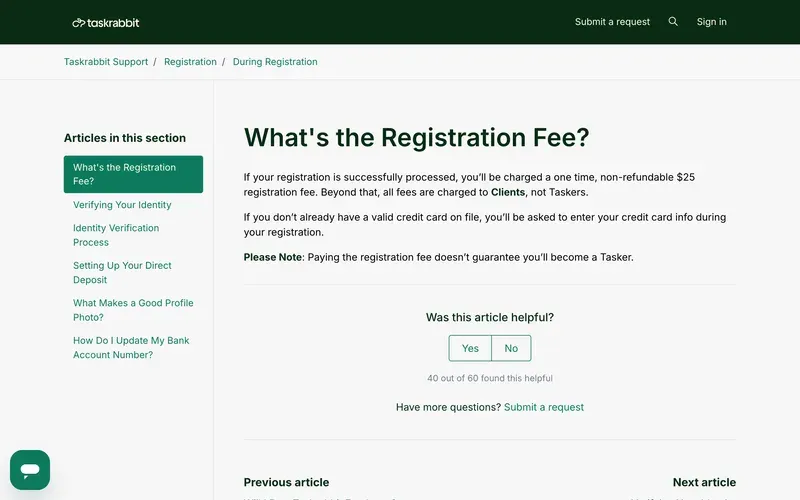
TaskRabbit costs a one-time $25 to join in some cities, and after that you keep your full hourly rate. It fits handy people who can assemble furniture, mount TVs, move boxes or do small repairs.
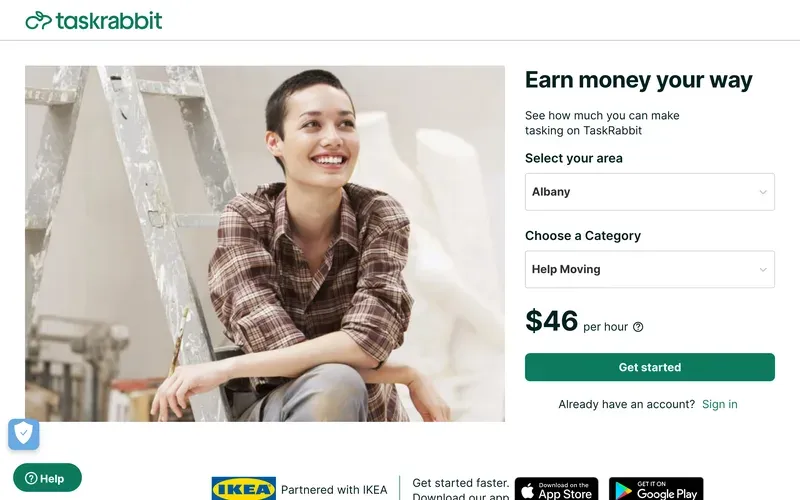
TaskRabbit’s registration fee article says a successful registration brings a one-time, non-refundable $25 fee (as of November 2026). Paying it does not guarantee that you’ll be approved as a Tasker.
The same help center says all other fees are charged to clients, not to Taskers. That makes TaskRabbit one of the few platforms where your posted rate is what you earn.
You pick the jobs you want, the hours you work and the area you cover. Clients see your hourly rate, your reviews and your skills before they book.
Furniture assembly is one of the easiest ways in. You need a drill, a screwdriver set and patience, and many people would rather pay than build a dresser themselves.
Start with one or two job types you can do well. Add more once you have a few five-star reviews.
| 🎯Best For | Handy people who own basic tools |
|---|---|
| 💰Cost | A $25 one-time fee in cities that charge it |
| 💵Payoff | Your full hourly rate, since clients pay the fees |
| 👉First Step | Register for furniture assembly in your area |
5. Reselling Clothes on Poshmark [Best for Clearing Out Your Closet]
Reselling on Poshmark costs nothing to start, because listing is free and the fee comes out of each sale. It suits anyone with clothes, shoes or bags they no longer wear.
Your first items to sell are already in your closet. Take clear photos in daylight, write the brand and size and share your listings so buyers see them.
Poshmark’s selling fees article lists a flat $2.95 fee on US sales under $15 (as of November 2026). Sales of $15 or more pay a 20% fee.
Sellers in Texas also see a Texas seller fee taken from their earnings since October 1, 2025.
What does that mean for you? A $10 shirt pays you $7.05, while a $40 jacket pays you $32.
That’s why low-priced items barely pay. Bundle cheap pieces together, or save them for a yard sale.
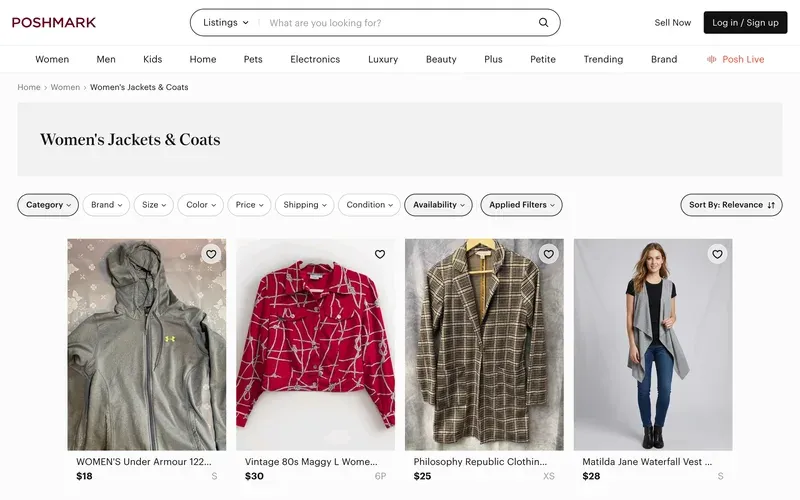
Once your closet is empty, you can buy more items to sell at thrift stores. Only buy brands you have seen sell, and start with a small amount of money.
Our guide to selling everything you own covers other places to sell, and these things to sell fast help you pick what moves quickly. If you like the idea of buying low and selling higher, flipping used books works the same way with a different product.
| 🎯Best For | People with clothes to clear out |
|---|---|
| 💰Cost | $0, using items you already own |
| 💵Payoff | 80% of sales of $15 or more |
| 👉First Step | List 10 items with daylight photos this weekend |
6. Print on Demand With Printful [Best for Selling Products With No Inventory]
Print on demand with Printful costs $0 to start, because you pay for a product only after a customer buys it. It fits people who can make designs for shirts, mugs or posters.
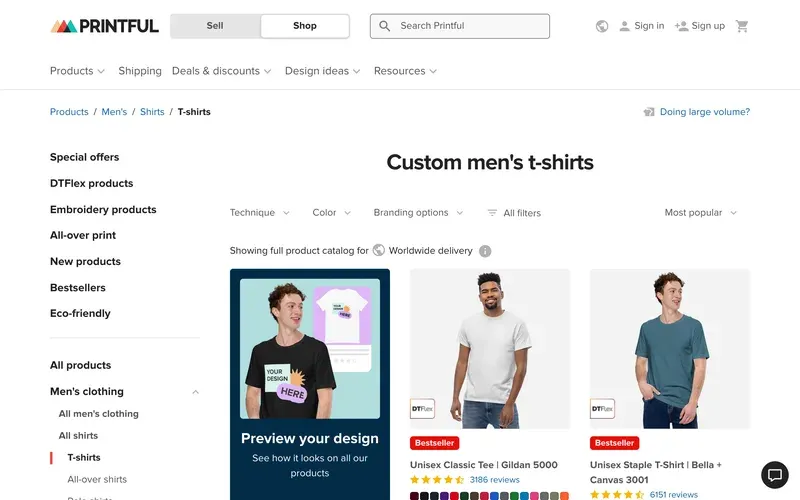
You upload a design, pick the products and connect a store or marketplace. Printful’s own startup cost guide lists $0 to start with Printful, with optional costs for samples, a domain or store setup.
When a customer orders, the product is printed, packed and shipped for you. You never buy inventory upfront, store boxes or guess which sizes will sell.
Printful’s pricing page says there are no monthly fees to create products or connect your store (as of November 2026). It also says you pay for fulfillment only once your customer orders.
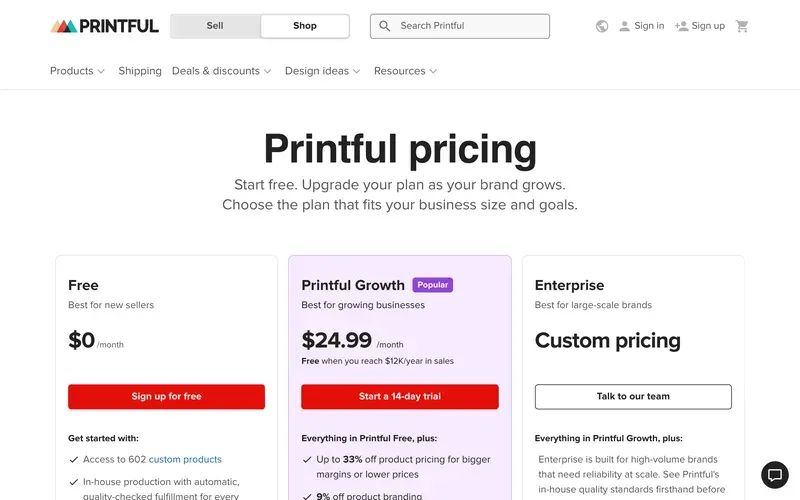
Here’s the deal: You set your own retail price, and your profit is that price minus Printful’s cost for the item and shipping.
A crowded market is the real downside. A plain shirt with a common quote rarely sells, so pick a small group of buyers, such as nurses or fans of one hobby.
Order one sample before you promote a design. It shows you the print quality your buyers will get.
| 🎯Best For | Designers who want products without holding inventory |
|---|---|
| 💰Cost | $0, plus an optional sample order |
| 💵Payoff | Your retail price minus Printful's item and shipping cost |
| 👉First Step | Make 5 designs for one hobby or job |
7. Digital Products on Etsy [Best for Templates and Printables]
Digital products on Etsy cost $0.20 per listing to start, and there is nothing to ship. It suits people who can make printable planners, budget sheets, templates or wall art.
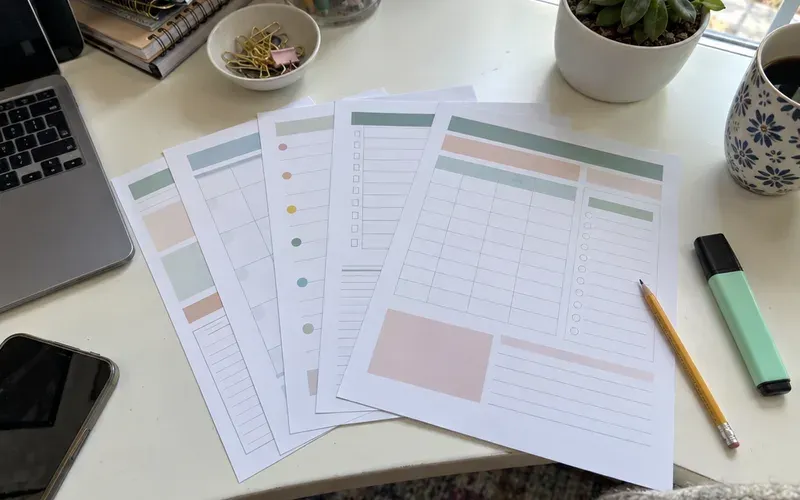
You make the file once in a free design tool, then sell it again and again. Buyers download it right after they pay, so you never pack a box.
Etsy’s fees help article says the listing fee is a flat $0.20 per listing (as of November 2026). The same article lists a 6.5% transaction fee on each order, plus a payment processing fee that varies by country.
That makes it very cheap to test. Ten listings cost you $2, and you learn fast which products people want.
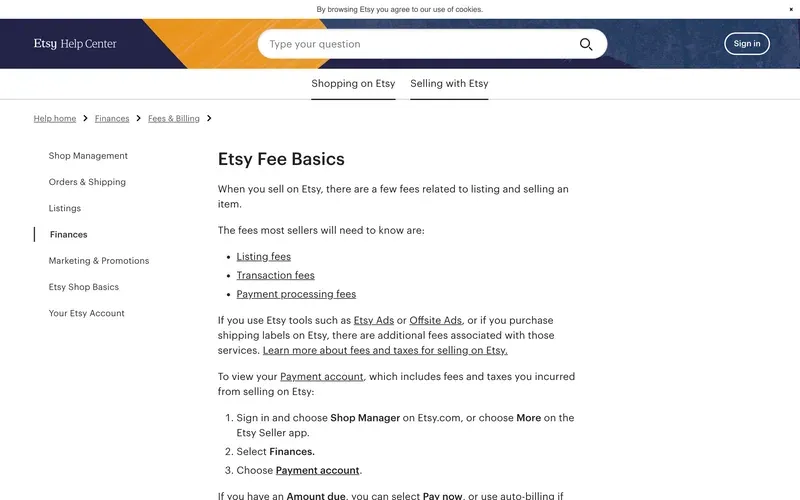
The catch? Many sellers offer the same planners, so a general “monthly budget sheet” gets lost.
A sheet made for one group, such as a wedding budget or a pet care log, is easier to find. Use the words your buyers would type into Etsy’s search bar in your titles.
If you want income that keeps coming after the work is done, digital products fit well with other passive income ideas.
| 🎯Best For | People who make templates, planners or printables |
|---|---|
| 💰Cost | $0.20 per listing |
| 💵Payoff | Your price minus a 6.5% transaction fee and processing |
| 👉First Step | Make 3 printables for one group and list them |
8. Virtual Assistant Business [Best for Organized People]
A virtual assistant business costs nothing to start if you already own a computer and a phone. It fits organized people who like email, scheduling, data entry and customer messages.
A virtual assistant, or VA, does office work for a small business owner from home. Common tasks include sorting the inbox, booking calls, updating spreadsheets and answering customer emails.
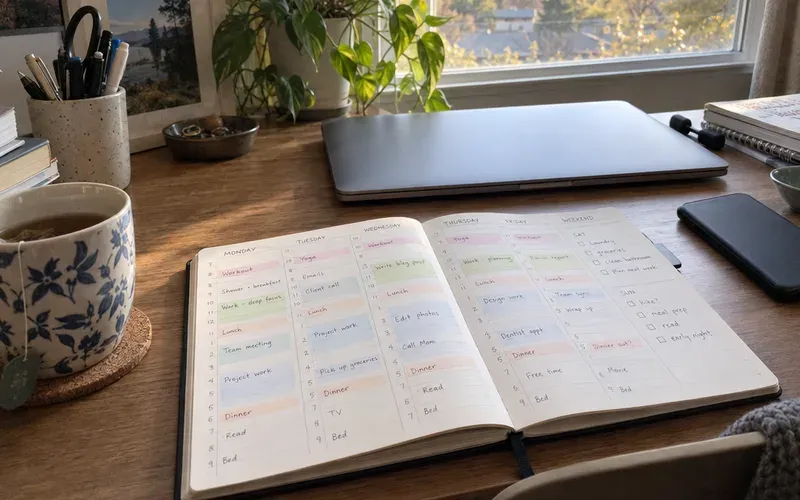
Small business owners are your best first clients. Many are too busy to answer every message but too small to hire a full-time office worker.
Start with people you already know. Tell friends who own businesses that you can take 5 hours a week of admin work off their plate.
Charge by the hour at first, then switch to monthly packages once you know how long tasks take. A set package, such as 10 hours a month, gives you steady pay and gives the client a clear bill.
Write down every task you do and how long it takes during your first month. That record helps you price your packages and shows clients exactly what they get.
You can also list VA services as a gig on Fiverr, which is #1 on this list. That gives you a second place to find clients while you build referrals.
| 🎯Best For | Organized people who like admin work |
|---|---|
| 💰Cost | $0 with your own computer and phone |
| 💵Payoff | An hourly rate or a monthly package |
| 👉First Step | Offer 5 hours a week to one business owner you know |
9. Social Media Management [Best for People Who Already Post]
Social media management costs nothing to start, because free scheduling tools and your phone cover the basics. It suits people who already post well and understand what gets likes and comments.
You run the social accounts of a local business, such as a bakery, a salon or a gym. That means planning posts, taking photos, writing captions and answering comments.

Many small shops post once a month and then stop. Look at the pages of businesses near you and note which ones look forgotten.
Then pitch a simple plan to two or three of them. Offer something clear, such as 12 posts a month on two platforms.
Your own accounts are your portfolio. If you don’t have one yet, run a free trial month for a friend’s business and use the results as your sample.
Send each client a short monthly report that shows posts, likes and new followers. Clients who can see results are more likely to stay month after month.
Most social media managers charge a monthly fee instead of an hourly rate. That makes your income easier to plan once you have a few clients.
| 🎯Best For | People who already post well |
|---|---|
| 💰Cost | $0 with a phone and free scheduling tools |
| 💵Payoff | A monthly fee per client |
| 👉First Step | Pitch a 12-post monthly plan to 3 local shops |
10. Bookkeeping for Small Businesses [Best for People Who Like Numbers]
Bookkeeping costs little to start, since your main tools are a computer and accounting software. It fits careful people who like numbers and want steady monthly clients.
A bookkeeper records a business’s income and expenses, matches bank statements and keeps records ready for tax time. Many small owners hate this work, so they gladly pay someone to do it.
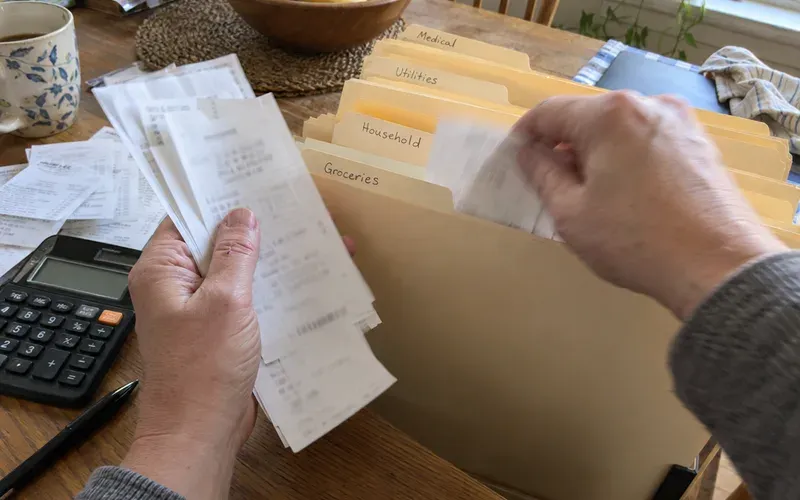
You don’t need an office. Most bookkeeping happens online, inside the client’s own accounting software.
Learn one popular accounting program well before you look for clients. Clients feel safer hiring someone who already knows the tool they use.
Ask clients to add you as a user in their accounting software instead of sharing their passwords. That keeps their accounts safe and keeps a record of your work.
Be clear about where your service stops. Bookkeeping is not the same as filing taxes, so check your state’s rules before you offer any tax help.
Monthly clients are the goal. Five small clients who each pay a set monthly fee can turn this into a real part-time income.
| 🎯Best For | Careful people who like numbers |
|---|---|
| 💰Cost | A computer plus accounting software |
| 💵Payoff | A monthly fee per client |
| 👉First Step | Learn one accounting program and offer it to a local shop |
11. Errand Running and Personal Concierge [Best for People With a Car]
Errand running costs very little to start if you already have a phone and a reliable car. It suits people who know their town well and like staying on the move.
You do the tasks busy people never get to. That can mean picking up groceries, dropping off dry cleaning, waiting for a repair person or returning packages.
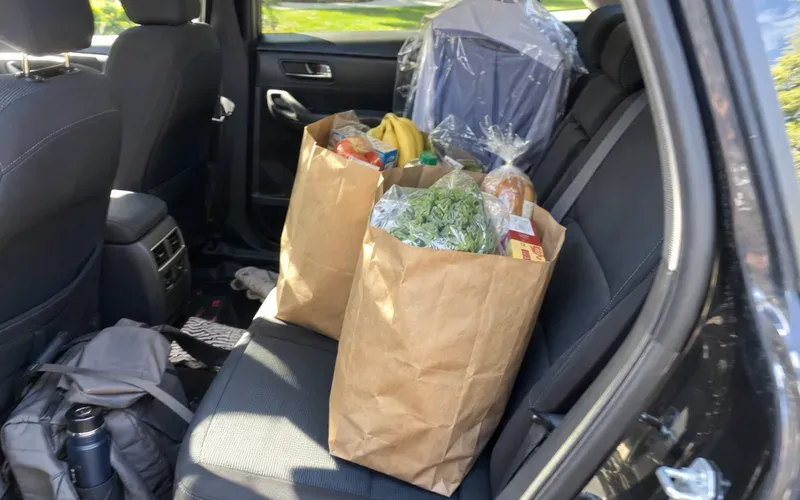
Busy parents, older neighbors and small office owners are good first customers. Many would rather pay you than spend a Saturday driving around town.
Charge by the hour or by the errand, and add a fee for long drives. Track your miles, since car costs are your biggest expense in this business.
Word of mouth works well here. One happy client often tells friends who need the same help.
If you’d rather get jobs from an app, TaskRabbit at #4 also lists errands and deliveries.
| 🎯Best For | People who know their town and have a reliable car |
|---|---|
| 💰Cost | $0 with your own phone and car |
| 💵Payoff | An hourly or per-errand fee |
| 👉First Step | Offer errands to 3 busy neighbors this week |
12. House Cleaning [Best for Repeat Weekly Clients]
House cleaning is one of the cheapest local businesses to start, since basic supplies are your main cost. It fits hard workers who want clients who book every week or every other week.
You probably own most of what you need. A vacuum, a mop, cloths and a few cleaners are enough for your first homes.
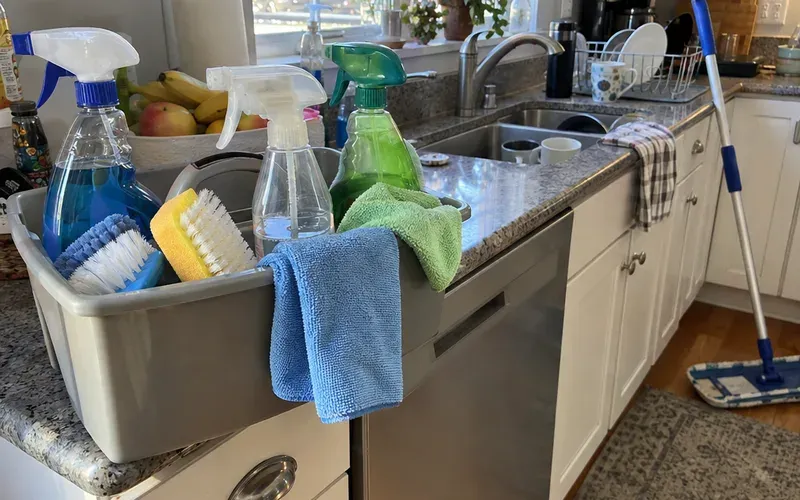
Some cleaners also use the supplies the client already has. That keeps your upfront cost close to zero while you build a client list.
Repeat clients are where this business makes money. A home you clean every two weeks pays you all year without finding a new customer.
Write a short checklist for each home so you clean it the same way every visit. Clients notice when nothing is missed, and a checklist makes it easier to hire help later.
Ask your first clients for a review and a referral. Neighbors trust a cleaner their friends already use.
As you grow, think about insurance. A local insurance agent can quote a small policy that covers damage in a client’s home.
| 🎯Best For | Hard workers who want repeat clients |
|---|---|
| 💰Cost | Cleaning supplies you mostly own |
| 💵Payoff | A set price per visit |
| 👉First Step | Clean one friend's home and ask for a review |
13. Lawn Care [Best for Outdoor Work]
Lawn care costs very little to start if you already own or can borrow a mower. It suits people who like outdoor work and live near homes with yards.
Mowing, edging and leaf cleanup are the core services. You can add hedge trimming or gutter cleaning once you have steady clients.
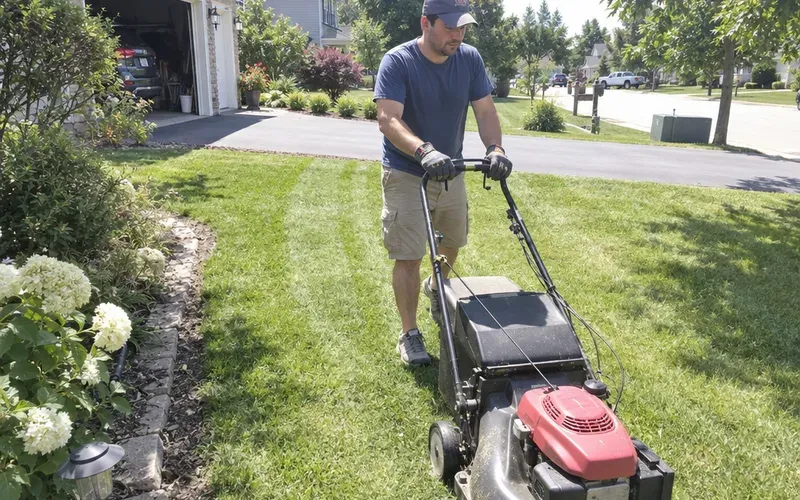
Start with the tools you have, even if they are basic. Buy better equipment only after your first clients pay for it.
Set your price by the size of the yard instead of by the hour. A flat price is easier for neighbors to accept, and it rewards you for working faster.
Demand changes with the seasons. Spring and summer are busy, so line up weekly clients early in the year.
Fall leaf cleanup and winter snow shoveling can fill the slow months. That turns a summer job into work that pays most of the year.
If you like working outside, these ways to make money from your garden pair well with a lawn care business.
| 🎯Best For | Outdoor workers near homes with yards |
|---|---|
| 💰Cost | A mower you own or borrow |
| 💵Payoff | A set price per mow or a monthly plan |
| 👉First Step | Offer a first mow at a lower price to 5 neighbors |
14. Mobile Car Detailing [Best for Car Lovers]
Mobile car detailing costs more than the businesses above, since you need cleaning gear before your first job. It fits car lovers who enjoy work with a clear before and after.
You clean cars at the owner’s home or workplace. A basic job covers vacuuming, wiping the inside, washing the outside and cleaning the windows.
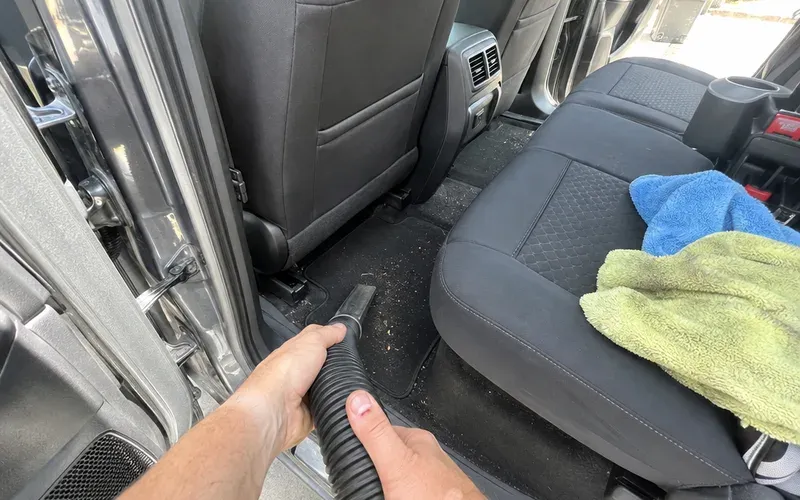
Your starter kit is a strong vacuum, microfiber towels, buckets and car-safe cleaners. You may own some of it already, which lowers the cost.
Before and after photos are your best marketing. Post them in local groups and ask happy customers to share them.
Check your local rules on water runoff before you wash cars at someone’s home. Some areas limit soapy water going into storm drains.
Offer simple packages, such as an inside-only clean and a full clean. Clear choices make it easy for customers to say yes.
| 🎯Best For | Car lovers who like visible results |
|---|---|
| 💰Cost | A vacuum, towels, buckets and cleaners |
| 💵Payoff | A set price per car |
| 👉First Step | Detail 2 friends' cars for photos |
15. Pressure Washing [Best for Truck or Trailer Owners]
Pressure washing is the most expensive business on this list, because it starts with one machine. It suits people who own a truck or trailer and like hard outdoor work.
You clean driveways, sidewalks, decks, fences and the outside of homes. The results are easy to see, which makes the work easy to sell.
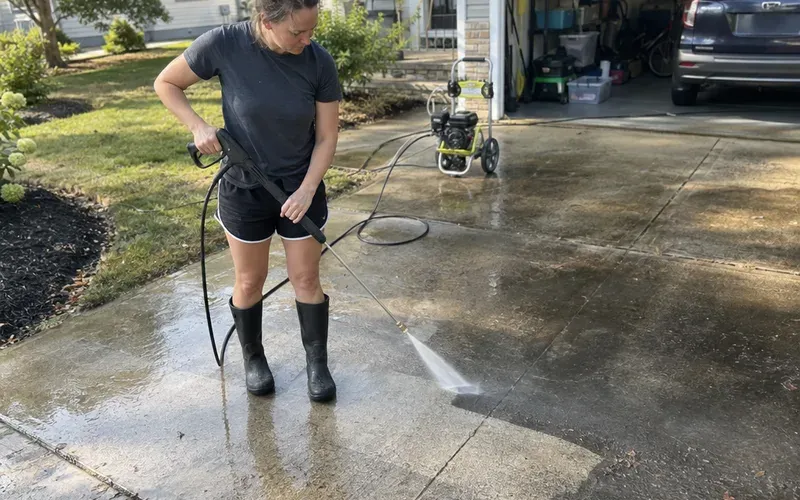
Your biggest cost is the pressure washer itself. If you’re not sure you’ll like the work, rent one for your first few jobs before you buy.
Learn which surfaces need low pressure. Too much force can damage wood decks and siding, so practice on your own driveway first.
Water and power often come from the client’s home. Ask about both before the job starts, so there are no surprises on the day.
Start with driveways and sidewalks, which are simple and safe. Move to houses and decks once you know your machine well.
Ask customers if you can post their before and after photos. Many pressure washing businesses get most of their work from neighbors who saw the results.
| 🎯Best For | People with a truck or trailer |
|---|---|
| 💰Cost | One pressure washer, rented or bought |
| 💵Payoff | A set price per driveway, deck or house |
| 👉First Step | Rent a machine and clean 2 neighbors' driveways |
What Does It Really Cost to Start a Business Legally?
Starting a business legally can cost $0 if you work under your own name as a sole proprietor. An LLC and local licenses can add a few hundred dollars.
Your city, your state and your type of work decide the final number.
Many people stop here because they think the paperwork is expensive. It usually isn’t, and some of it is free.
The Small Business Administration, or SBA, is the federal agency that helps small business owners. Its guides cover each step below.
Do You Need an LLC to Start?
You do not need an LLC to start a small business, because you can begin as a sole proprietor under your own name. The difference is how much of your personal money is at risk.
The SBA’s business structure guide says a sole proprietorship is easy to form and gives you complete control. It also warns that you can be held personally liable for the debts and obligations of the business.
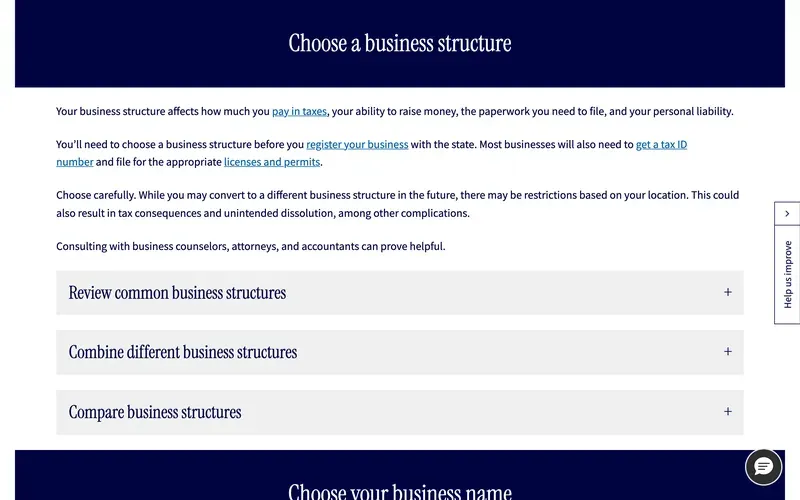
The same guide says LLCs protect you from personal liability in most instances. That protection matters more for businesses that work in other people’s homes, such as cleaning or pressure washing.
Some companies will file the LLC paperwork for you. Bizee, an LLC formation company, lists its formation package at $0 plus the state fee, so the state’s fee is the part you can’t avoid.
Most people testing a $0 online business start as sole proprietors. Many form an LLC later, once the business brings in steady money.
How Much Does It Cost to Register a Business?
Registering a business costs less than $300 in most cases, according to the SBA’s registration guide. The exact amount depends on your state and the type of business you form.
If you use a business name that isn’t your own legal name, you may need a DBA, which stands for “doing business as.” The SBA says most states require you to register your DBA if you use one.
Your tax ID can be free. The IRS EIN page says you never have to pay a fee for an EIN, and an approved online application gets its number right away.
An EIN, or employer identification number, is a business tax ID. It lets you open a business bank account and give clients a number other than your Social Security number.
Here is how the main setup steps compare:
| Setup step | Cost | Who you pay |
|---|---|---|
| Sole proprietorship under your name | $0 | No one |
| DBA for a business name | Varies by state | State or county |
| LLC filing | Under $300 in most cases | Your state |
| EIN tax ID | $0 | The IRS, for free |
Ignore any website that charges you for an EIN, since the IRS gives it away. Spend your money on the state fee only when your business truly needs an LLC.
Do You Need a Business License?
Most small businesses need at least one license or permit, but the type depends on your work and where you live. A dog walker and a food seller face very different rules.
The SBA’s licenses and permits guide says most small businesses need a mix of licenses and permits from federal and state agencies. Federal licenses apply only to a few activities, such as alcohol, firearms, aviation and broadcasting.
Your city or county may want a general business license too. Check your city’s website before you take your first paying job, since fees and rules change from place to place.
In other words, the paperwork is cheap, and the EIN is free, so it should never stop you from starting.
Which Cheap Businesses Pay You the Fastest?
Local services, such as house cleaning, lawn care and errands, pay fastest because customers often pay on the day of the job. Platforms usually hold your money for a while before you can withdraw it.
That waiting time matters when you start with no savings. A cleaning client who pays you cash on Friday helps more than a platform that pays two weeks later.
Fiverr is a clear example of a platform delay. Its funds clear after 14 days for most new sellers, as entry #1 explains.
Preply is quick to set up as well. The same tutor page from entry #2 says its team approves new tutor profiles in 3 business days.
Digital products and print on demand are usually the slowest to pay off. You may spend weeks making designs before buyers find them.
Here is how the main types compare on upfront cost and payout timing:
| Business type | Upfront cost | When money arrives |
|---|---|---|
| Local services (#11 to #15) | Supplies or one machine | Often on the day of the job |
| Fiverr freelancing (#1) | $0 | After a 14-day clearing period |
| Preply tutoring (#2) | $0 | After approval, which takes about 3 business days |
| Digital products and print on demand (#6, #7) | $0 to $0.20 a listing | When buyers find your listings |
The cheapest businesses are not always the fastest to pay. A local service with a $30 bottle of cleaner can beat a free online shop for your first month.
Here’s a simple way to plan:
- Need cash this week: start a local service and ask for payment when the job is done
- Can wait a few weeks: add a platform like Fiverr, Preply or Rover
- Can wait a few months: build digital products or a print on demand shop on the side
Many people mix two of these at once. A local service pays the bills while an online business grows in the background.
How Do Taxes Work for a Small Business?
A small business owner pays self-employment tax once net earnings reach $400 in a year, on top of regular income tax. That rule applies even to a side business you run from your kitchen table.
The IRS self-employment tax page says the self-employment tax rate is 15.3%. It also says you must file once your net earnings from self-employment are $400 or more.
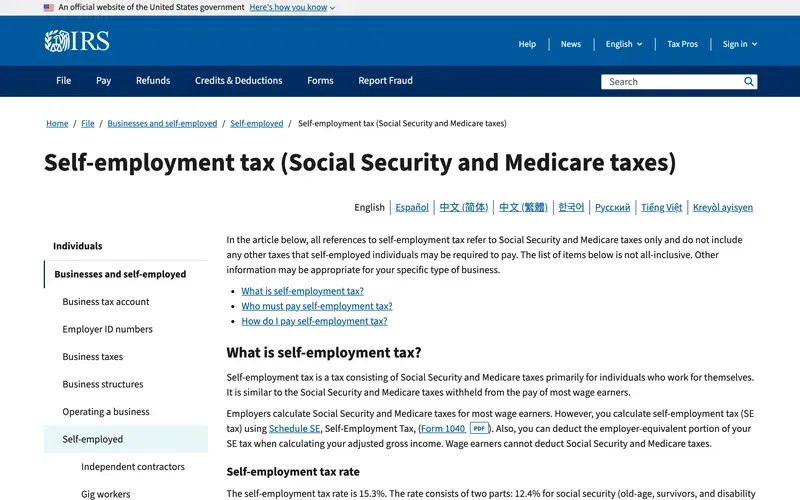
Net earnings means what you made after business costs. Platform fees, supplies, mileage and software all lower the amount you’re taxed on.
That’s why receipts matter. Keep every one, and save a part of each payment in a separate account for taxes.
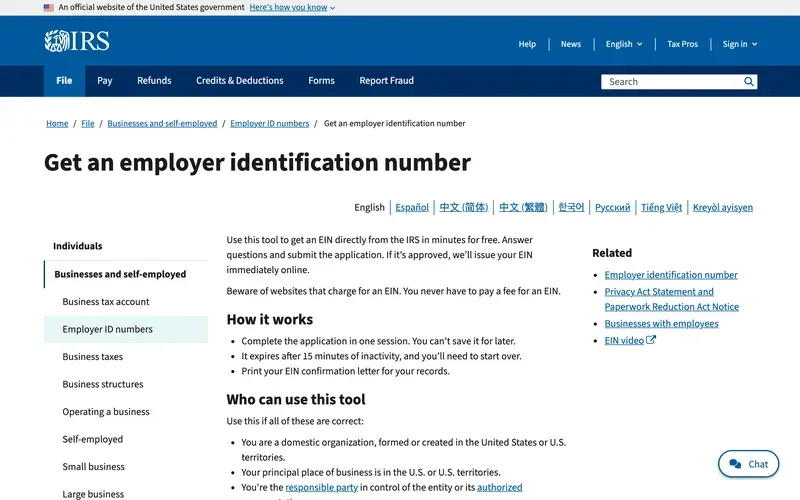
A separate business bank account makes this much easier. Your EIN, which is free from the IRS, lets you open one in the business’s name.
In other words, set aside part of every payment from day one, so tax time never surprises you.
Free Help and Grants for New Businesses
Free counseling from the SBA and its local partners is easy to find, but grants to start an ordinary business are rare. Knowing the difference keeps you away from scams that promise “free government money.”
The SBA’s main site offers counseling and training resources online, plus live events and local SBA Resource Partners. Those partners give one-on-one advice on things like pricing, plans and paperwork.
The same site points owners to funding to start or grow a business, including loans, investments, surety bonds and grants. Its grants page is clear, though: the SBA does not provide grants for starting and expanding a business.
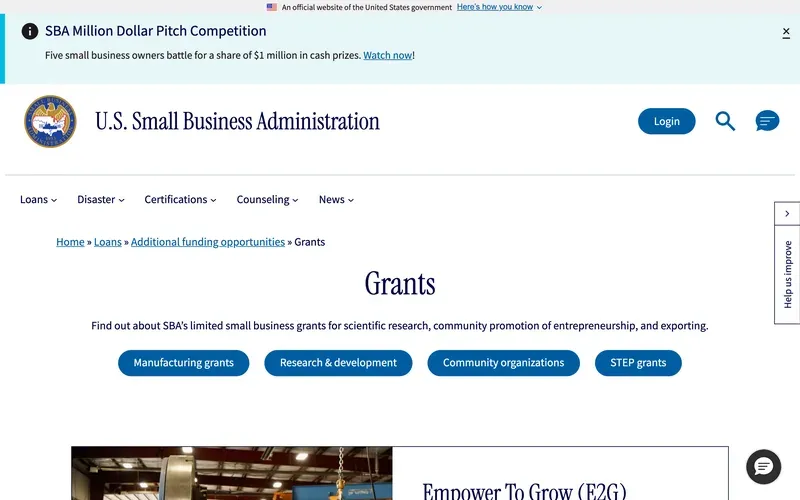
Be careful with anyone who charges a fee to help you “find grants.” A real grant program does not ask you to pay to apply.
For a cheap business, you rarely need outside money at all. Starting with a $0 business and using your first earnings to grow is safer than any loan.
How to Get Your First Customer Without Spending Money
Your first customer usually comes from people you already know, a free platform profile or a local online group. None of these cost money, and they work for almost every business on this list.
Start with a short message to friends, family and past coworkers. Say what you offer, what it costs and how to book you.
Here’s a message you can change to fit your business:
Hi [name], I just started a [service] business in [your area]. I’m offering [service] for [price], and I’d love to have you as one of my first customers. If you know anyone who needs this, please pass my number along.
Next, post in one or two local groups where neighbors ask for help. Keep the post short, add a clear photo of your work and include your price.
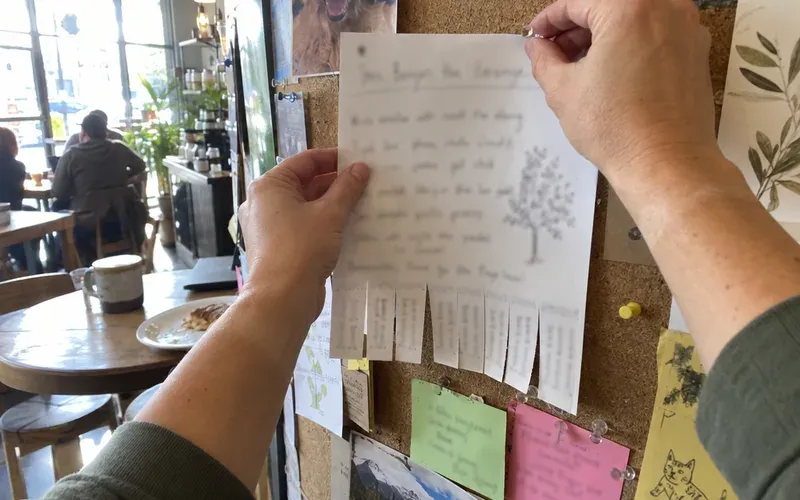
Platforms do the finding for you in #1 to #7. A complete profile with a clear photo, a short description and a fair price helps you show up in search.
Your first reviews matter most. Offer a small discount to your first three customers in return for an honest review.
In other words, your first customer is usually one message away, so send it before you buy anything.
Mistakes That Make a Cheap Business Expensive
The most common mistake with a cheap business is spending money before anyone has paid you. Business cards, a logo, a website and new tools can turn a $0 business into a $500 one in a weekend.
Here are the other mistakes to watch for:
- Pricing without the fee: Fiverr keeps 20% of each order, so a price that ignores the fee pays you less than you planned.
- Skipping tax savings: self-employment tax starts at $400 of net earnings, and a surprise bill can wipe out a good first year.
- Paying for free things: the IRS gives out EINs for free, so a site that charges for one sells you nothing you need.
- Buying equipment too early: rent or borrow a mower or pressure washer until paying jobs prove you need your own.
- Paying to find grants: the SBA does not provide grants for starting a business, so skip services that charge for grant lists.
Keep a simple record of every dollar you spend in your first month. It shows you right away whether a purchase helped you earn or only felt like progress.
How to Pick the Right Cheap Business for You
The right cheap business is the one that uses a skill you already have and has buyers near you or online. Start from what you can do this week, not from what sounds the most exciting.
Ask yourself three questions:
- What do people already ask me to help with? That’s often your easiest first service.
- Do I want to work at home or out and about? Online work suits #1, #2, #8 and #9, while local work suits #3, #12 and #13.
- How soon do I need money? Local services pay fastest, while products take longer.
Your schedule matters too. Dog walking and errands need daytime hours, while freelance work and digital products fit around a day job.
If you are shy about selling, a platform can help. Fiverr, Preply and Rover bring buyers to you, so you don’t have to knock on doors.
If you live in a small town, local services often win. These small town business ideas fit places where everyone knows a good cleaner or dog walker.
Try one business for 30 days before you judge it. That gives you time for a few customers and an honest look at what you earn after fees.
How This List Was Ranked
This list ranks each business by what you must pay before your first customer pays you.
Platform fees that come out of each sale count as a cost. They don’t move a business down, though, since you pay them only after you earn.
When two businesses cost about the same, the one with a ready-made platform for finding customers ranks higher. That’s why the free online platforms fill the top spots, and businesses that need equipment come last.
Every fee on this list comes from the platform’s own help pages or the government agency that sets it, checked in November 2026. Fees change, so check the platform’s page again before you sign up.
If you want more ideas at a lower price cap, these businesses under $100 go deeper on that budget. For businesses you can run entirely from home, these home business ideas focus on work with no startup cost.
Key Takeaways
- Services cost the least. Selling your time and skills avoids inventory, rent and big equipment.
- Platforms charge per job. Fiverr keeps 20% of each order and Rover charges US sitters 20% per booking.
- The paperwork is cheap. The SBA says registration costs less than $300 in most cases, and an EIN is free.
- Taxes start at $400. Self-employment tax of 15.3% applies once net earnings reach $400 a year.
- Grants are rare. The SBA does not provide grants for starting a business, so start with $0 and grow from earnings.
Frequently Asked Questions
What business can I start with no money?
What is the cheapest business to start from home?
The cheapest business to start from home is a skill you sell online, such as writing, tutoring or virtual assistant work.
You use the computer and internet you already pay for, so your only new cost is the platform’s cut of each job.
What business can I start with $100?
With $100 you can start almost every business on this list, including house cleaning with basic supplies or errand running with a phone and a car.
Keep part of the $100 for a business name filing if your state asks for one.
What business can I start with $500?
A $500 budget opens up the equipment businesses, such as car detailing, or covers a state LLC filing on top of a free online business.
Buy only what your first paying jobs need, then use the money they bring in for better tools.
What is the easiest cheap business for a beginner with no experience?
Pet sitting and dog walking are the easiest cheap businesses for most beginners, because people judge you on being reliable more than on a degree.
Online tutoring is close behind, since Preply says no certification or teaching experience is required.
Is $5,000 enough to start a business?
Yes, $5,000 is enough to start any business on this list and still keep most of it in the bank.
It is not enough for a storefront or a restaurant, which need rent, staff and inventory before the first sale.
Can a cheap business make $10,000 a month?
A cheap business can bring in $10,000 a month in sales, but usually only after you add regular clients, raise your rates or hire help.
Remember that sales are not profit, since platform fees, supplies and the 15.3% self-employment tax all come out first.
Is it true that 90% of startups fail?
No source in my research backs a single 90% figure for every kind of business, so treat that number with care.
A business that costs you $0 to start is the safest kind to try, because closing it costs you time instead of savings.
How do I manage my business finances?
Open a separate bank account for the business, keep every receipt and set aside money for taxes from each payment.
A free EIN from the IRS lets you open that account without giving every client your Social Security number.
The Bottom Line
The cheapest business to start is one you can sell this week with tools you already own.
Pick one entry from the top 7, make your profile or first listing today and aim for one paying customer before you spend a dollar on anything else.

Jason is a personal finance expert and the founder of Frugal For Less. He has spent over a decade researching and testing hundreds of money making apps, survey sites, and savings strategies to help readers earn more and keep more of their hard-earned cash.
More about the author