10 Best Paid Online English Teaching Jobs (2026): Earn Up to $40/Hr

The best paid online English teaching jobs let you set your own rate and teach students anywhere in the world.

Disclosure: This post may contain affiliate links. As an Amazon Associate, we earn from qualifying purchases. This comes at no extra cost to you. Read our full disclosure, or see how we review platforms.
Want to Make Extra Money Now?
Earn up to $50 per survey with the #1 survey site.
Surveys with a $5 minimum cashout & fast payouts.
Get paid to play games, take surveys & try new apps.
Get paid for surveys, videos & shopping online.
The best paid online English teaching jobs let you set your own rate and teach students anywhere in the world.
Teaching English online has shifted from a handful of big Chinese kids’ companies to a flexible global marketplace. Many platforms that once dominated the field, including Qkids and GoGoKid, stopped hiring teachers outside China after the 2021 tutoring crackdown.
That reshuffle actually helped independent teachers. The highest earners today set their own rates, build a roster of repeat students, and get paid through PayPal, Payoneer, or Wise within days.
This guide ranks ten platforms that are open to teachers worldwide right now, with the pay, requirements, and payout details for each. You’ll also find a side-by-side comparison table and a few practical tips for pushing your effective hourly rate higher.
At a Glance: The 10 Best Paid Platforms Compared
The short answer: marketplaces where you set your own rate pay the most, while fixed-rate schools trade lower pay for steadier hours.
| Platform | Pay/hr | Best for | Requirements | Join |
|---|---|---|---|---|
| Preply | $15–$40+ | Setting your own rate | TEFL helpful, no degree | Join Now |
| iTalki | $20–$30+ | Keeping most of your rate | Credential or fluency | Join Now |
| AmazingTalker | $18–$40+ | Highest ceiling | None required | Join Now |
| Outschool | $40–$60 (group) | Group classes for kids | Degree + background check | Join Now |
| Superprof | $20–$35 | Zero commission on repeats | None required | Join Now |
| Lingoda | $8–$15 | Steady, scheduled classes | TEFL/TESOL/CELTA | Join Now |
| Cambly | ~$10.20 | Beginners, no experience | Native speaker | Join Now |
| VIPKID | $14–$22 | No-prep structured classes | Degree, US/Canada | Join Now |
| Live Lingua | ~$20 | Boutique, higher pay | Certificate + experience | Join Now |
| EF English Live | $10–$17 | Established company | Degree + TEFL/TESOL | Join Now |
What Determines How Much You Earn
In plain terms, your pay hinges on four things: certification, lesson format, student time zones, and the platform’s commission.
Two teachers on the same platform can earn very different amounts, so the platform name is only part of the story. Your rate depends heavily on a few factors you can actually control.
Certification matters most at the entry gate. A TEFL, TESOL, or CELTA credential unlocks higher-paying roles and lets you justify premium rates, and a specialty such as business English, IELTS prep, or academic writing pushes you further above the beginner average.
Format is the other big lever. One-on-one lessons cap your income at your hourly rate, while group classes on platforms like Outschool multiply it by every student in the room.
Timing plays a quiet role too. Students cluster in specific time zones, so teachers who open slots during peak evening hours in Europe, Latin America, or East Asia fill their calendars far faster than those working odd local times.
Commission is the variable most beginners forget to check. A marketplace that skims 30 percent of a $25 lesson can leave you with less than a fixed employer paying $18 flat, so compare your take-home rate, not the sticker price.
Reviews and repeat students compound over time, turning a slow first month into a booked-out calendar. That’s why marketplace earnings tend to climb steeply once you clear the first 50 to 100 hours.
The 10 Best Paid Online English Teaching Jobs
Here’s what matters: Preply, iTalki, and AmazingTalker lead on pay because you set your own rate and keep more of it.
1. Preply
Preply is the platform most teachers name first when the topic is pay, and for good reason. You set your own hourly rate, keep a growing share of it as you log more hours, and the marketplace sends you a steady stream of adult learners.
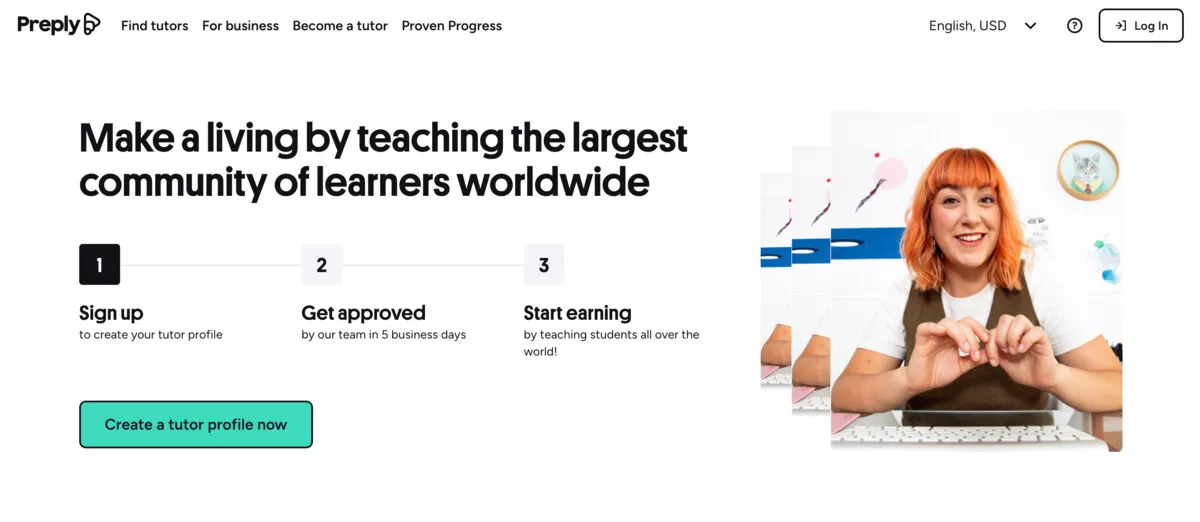
New tutors often list around $15 to $20 per hour, while established tutors with strong reviews charge $30 to $40 or more. Preply takes a commission that starts high and drops as your hours climb, so consistency genuinely pays.
No degree is strictly required, though a TEFL or TESOL certificate and a clear specialty help you command premium rates. Payouts go out through PayPal, Payoneer, or Wise once you clear the minimum threshold.
2. iTalki
iTalki runs on a similar marketplace model but gives teachers even more freedom over scheduling and lesson content. You keep roughly 85 percent of what you charge, and top “professional” teachers routinely bill $20 to $30 per hour.
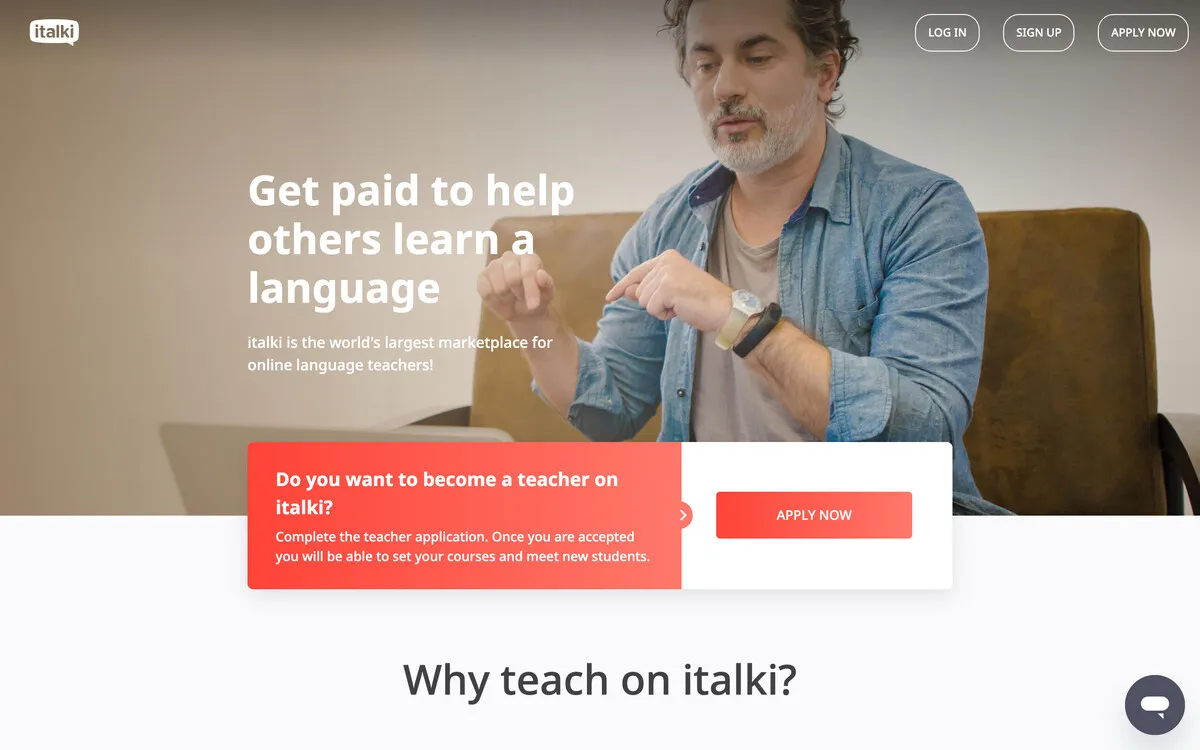
The platform splits teachers into professional teachers, who need teaching credentials, and community tutors, who need only fluency and conversational skill. That two-track system means fluent non-native speakers can still earn well here.
Students come to you, so building a full calendar takes some marketing effort early on. iTalki pays through PayPal, Payoneer, and Wise, with fast turnaround once you request a withdrawal.
3. AmazingTalker
AmazingTalker is a Taiwan-based marketplace that advertises some of the highest ceilings in the industry. Teachers set their own prices, and the company promotes earnings of well over $100 per hour for the most in-demand tutors.
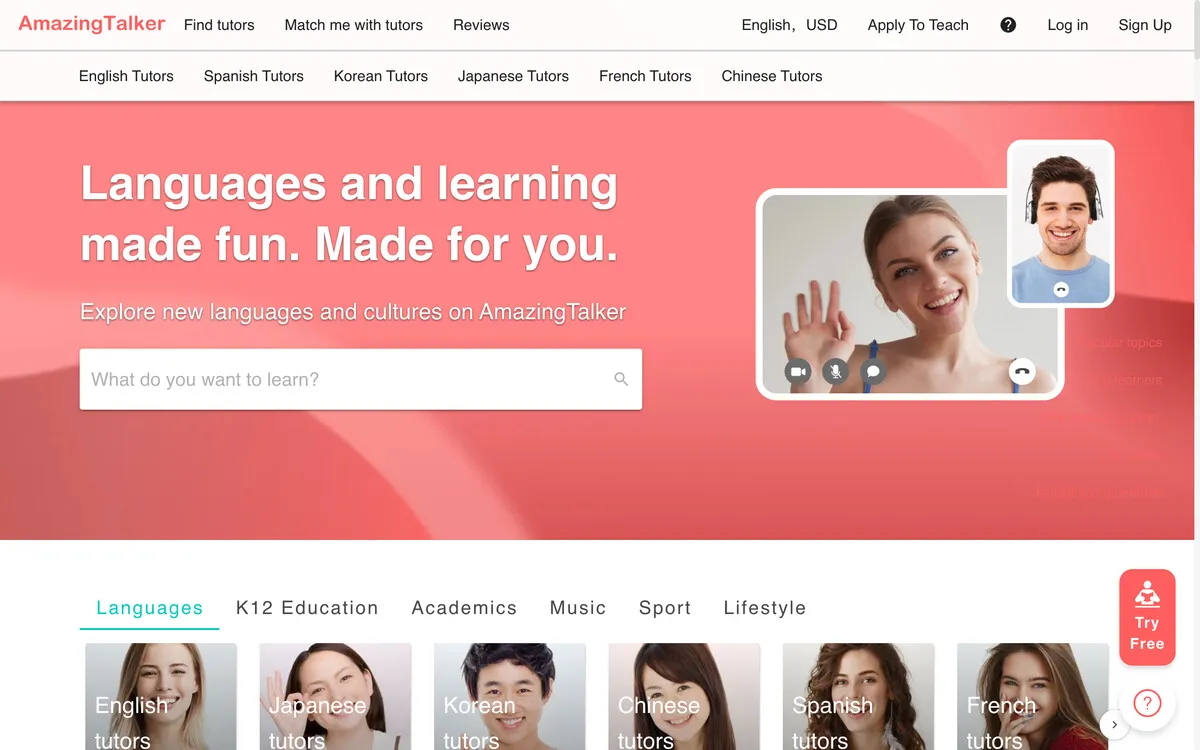
Realistically, most teachers land somewhere between $18 and $40 per hour depending on subject and reviews. The platform actively matches you with students searching for a tutor, which shortens the ramp-up compared with some rivals.
There is no hard degree requirement, but a polished profile video and a clear specialty make a big difference. Payouts are processed monthly through common transfer services.
4. Outschool
Outschool is a US-based platform where you teach live, small-group classes to kids and teens, including plenty of English and creative writing courses. You set your own price per learner, and popular classes with full rosters can pay the equivalent of $40 to $60 an hour.
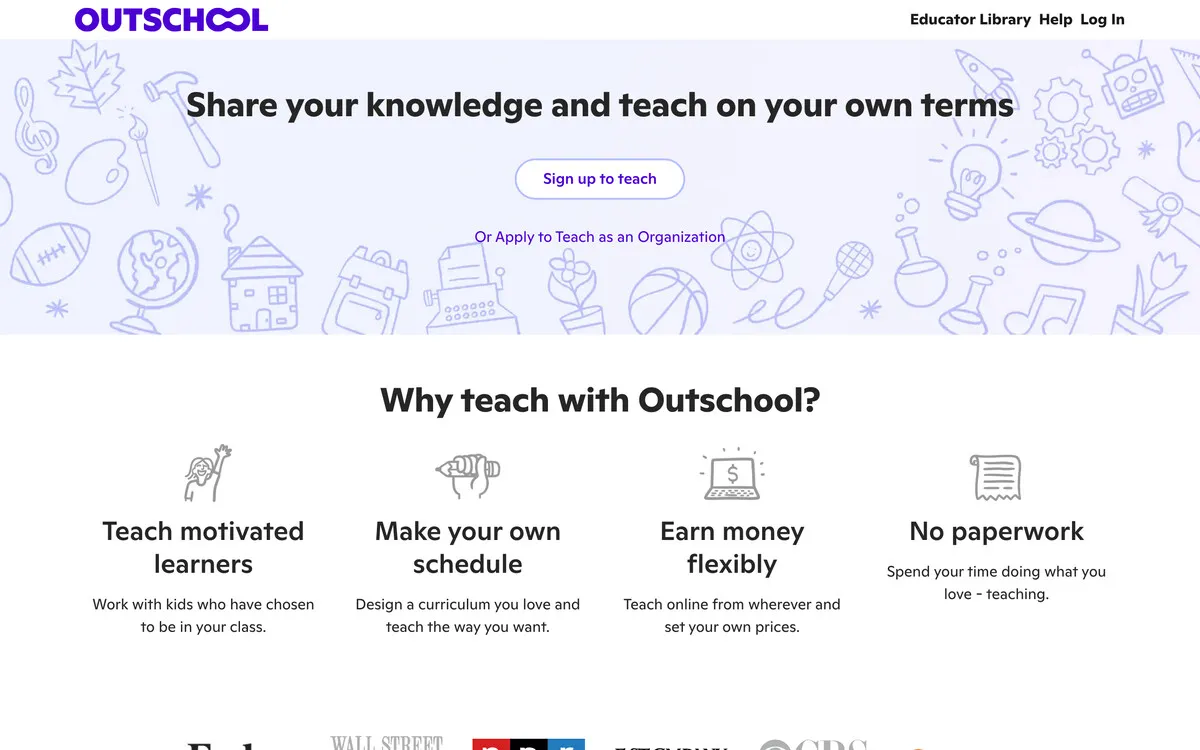
Because you charge per student, a single 45-minute class with eight kids earns far more than one-on-one tutoring. That group model is the biggest reason Outschool ranks so high for pay.
You need a bachelor’s degree and must pass a background check, and classes run over Zoom. Outschool pays weekly through PayPal.
5. Superprof
Superprof is a global tutoring marketplace that covers hundreds of subjects, with English among the most popular. You publish a profile, set your own rate, and students contact you directly to book lessons.
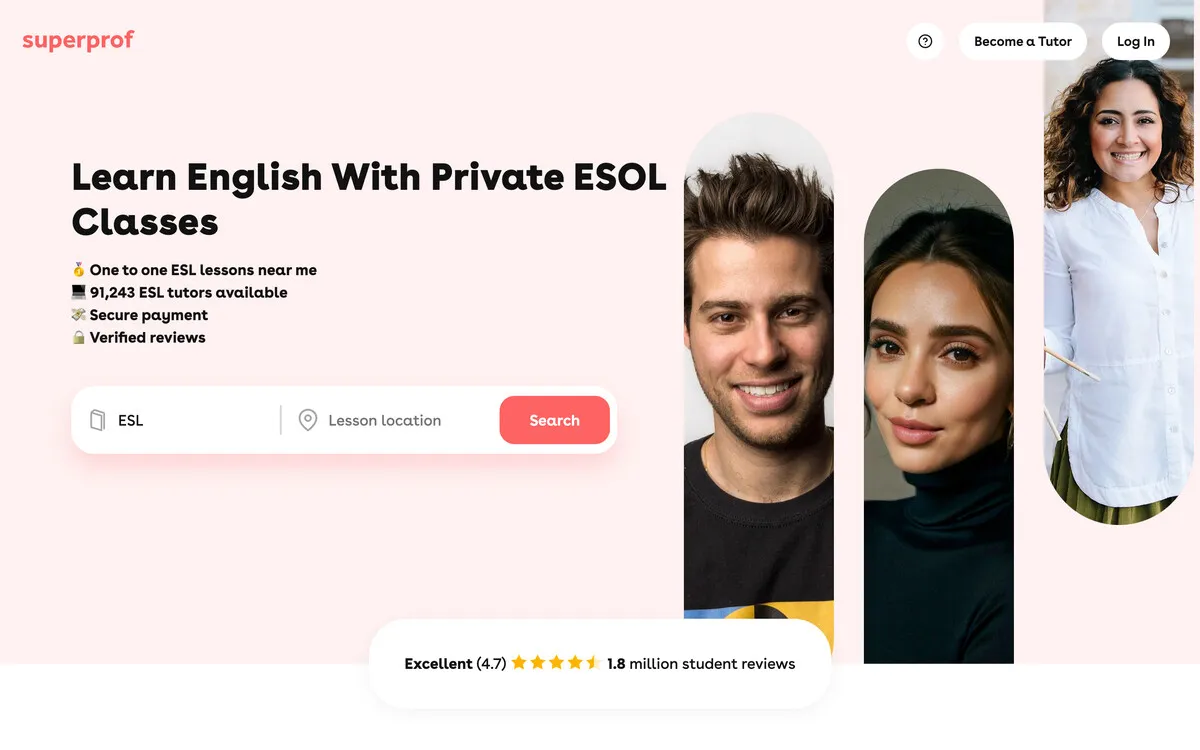
Rates vary widely by region, but English tutors commonly charge $20 to $35 per hour, and there is no cap on what you can list. Unlike commission-heavy platforms, Superprof charges students a small connection fee rather than skimming every lesson.
There are no strict entry requirements, so it suits both certified teachers and skilled hobbyists. You arrange payment with students directly, often by bank transfer or PayPal.
6. Lingoda
Lingoda offers a more structured alternative for teachers who would rather follow a set curriculum than sell themselves. It provides the lesson materials, schedules classes for you, and pays a fixed rate per completed session.
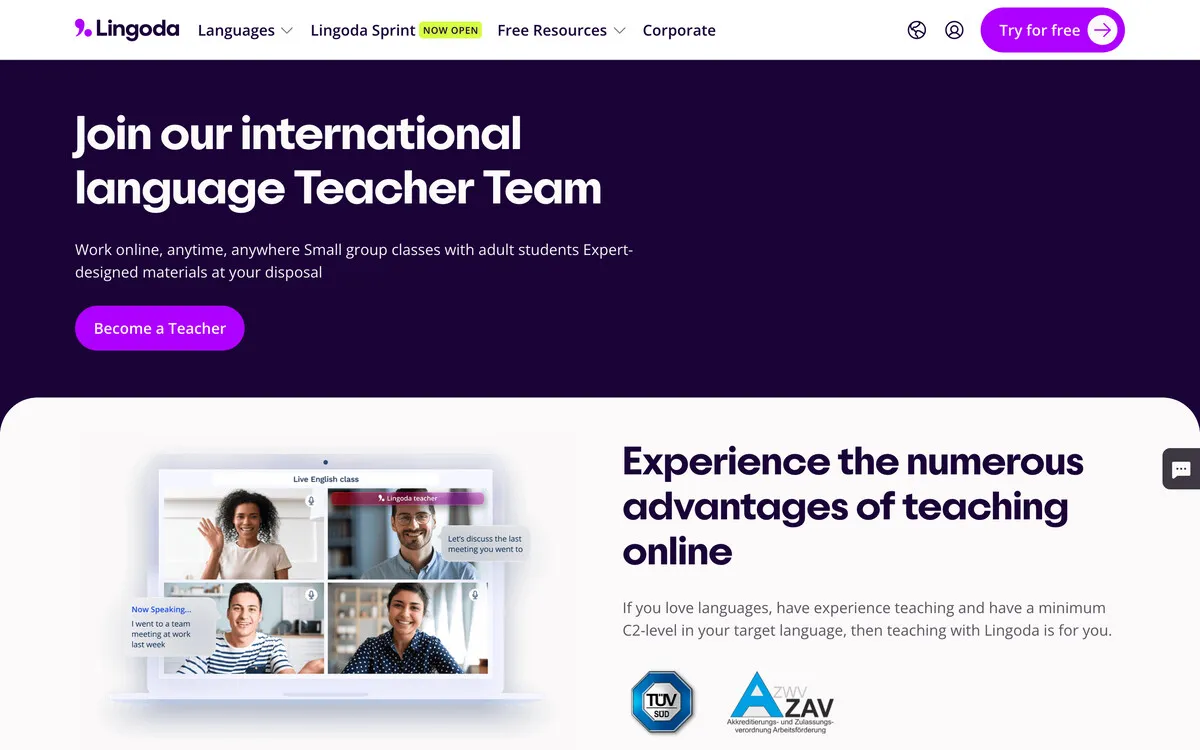
Pay typically works out to around $8 to $15 per teaching hour, lower than the marketplaces but far more predictable. There are no gaps spent marketing and no rate negotiations to manage.
You must be a native or near-native speaker with a recognized teaching qualification such as TEFL, TESOL, or CELTA. Lingoda pays monthly by bank transfer.
7. Cambly
Cambly is the easiest platform to start with because it requires no degree, no certificate, and no lesson planning. You simply chat with learners who want conversation practice, and the app connects you on demand.
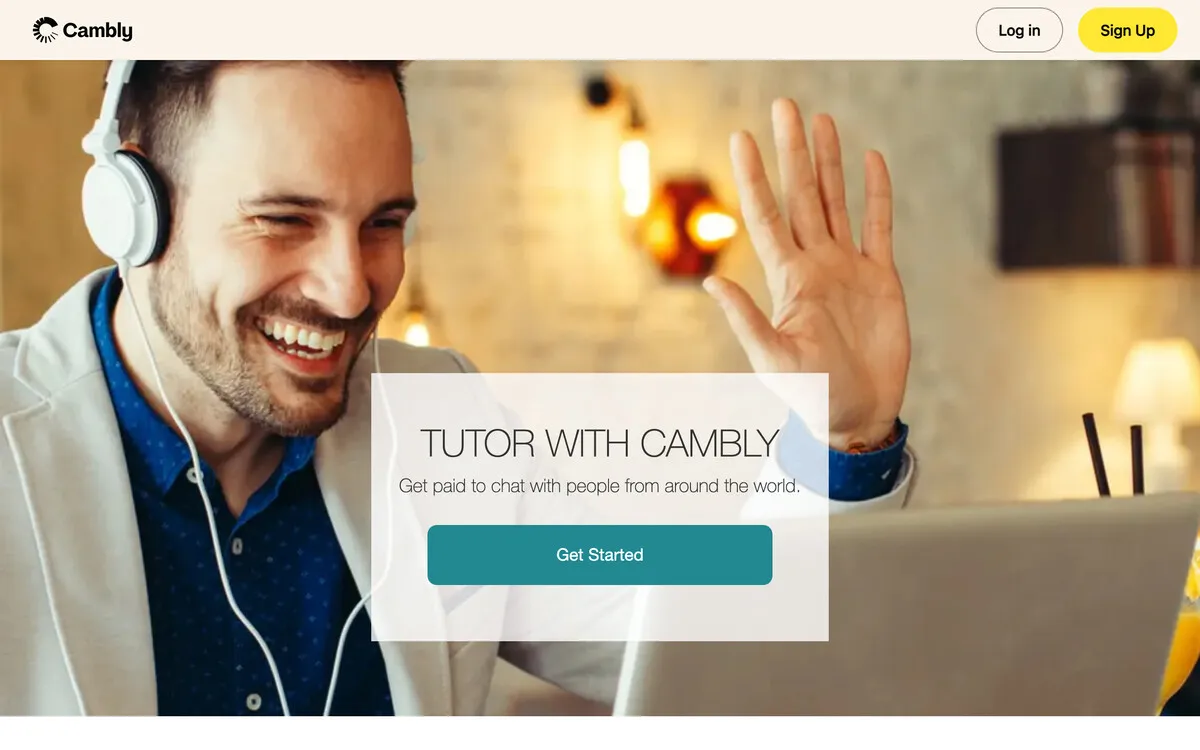
Pay is modest at roughly $0.17 per minute, or about $10.20 per hour, with Cambly Kids paying slightly more. The trade-off is total flexibility, since you can log in whenever you’ve got a free half hour.
Being a native English speaker is the main requirement, and you get paid every week through PayPal. Treat it as a reliable entry point rather than a top earner.
8. VIPKID
VIPKID is one of the most recognized names in online English teaching, connecting teachers across the US and Canada with young learners worldwide. Now operating under the VIPTeacher umbrella, it is actively hiring again, though it stays selective about who makes the cut.
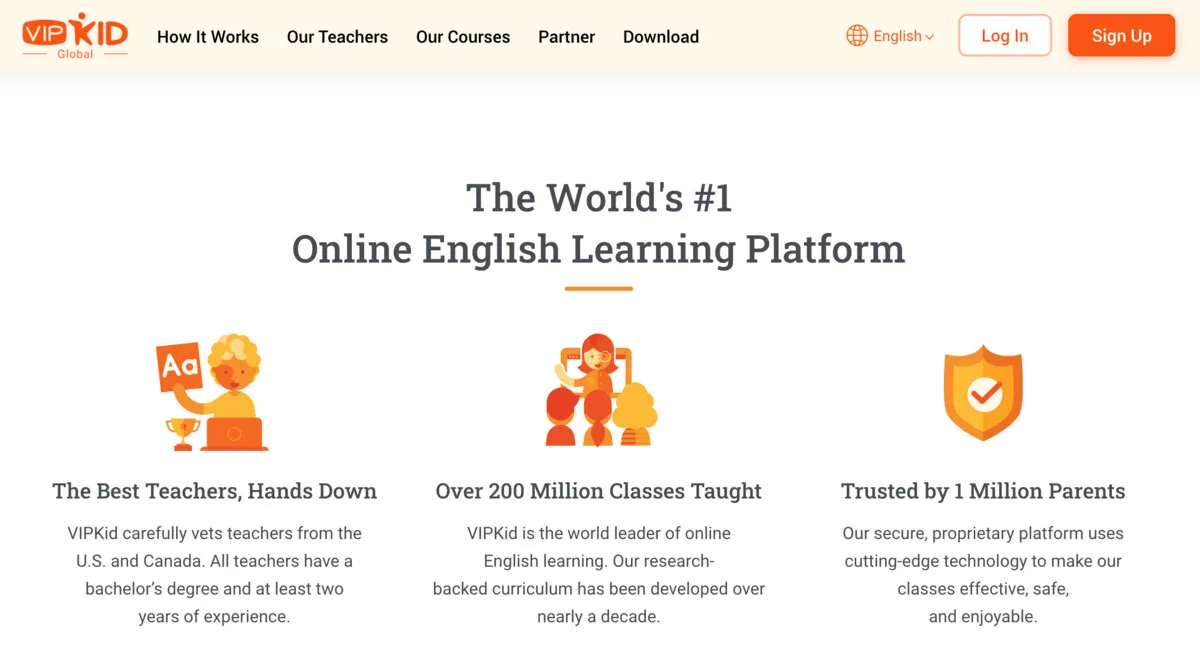
Pay starts around $7 per 25-minute class, which works out to roughly $14 to $22 per hour once attendance and completion incentives kick in. The curriculum comes ready-made, so there’s no lesson planning on your side.
You’ll need to be a US or Canadian citizen with a bachelor’s degree and around two years of teaching experience, and a TEFL or TESOL certificate helps you stand out. VIPKID pays by direct deposit or PayPal on a weekly, biweekly, or monthly schedule.
9. Live Lingua
Live Lingua is a smaller, well-regarded language school that hires experienced online teachers for one-on-one instruction. It pays around $20 per hour, above many structured platforms, and often adds bonuses for student retention.
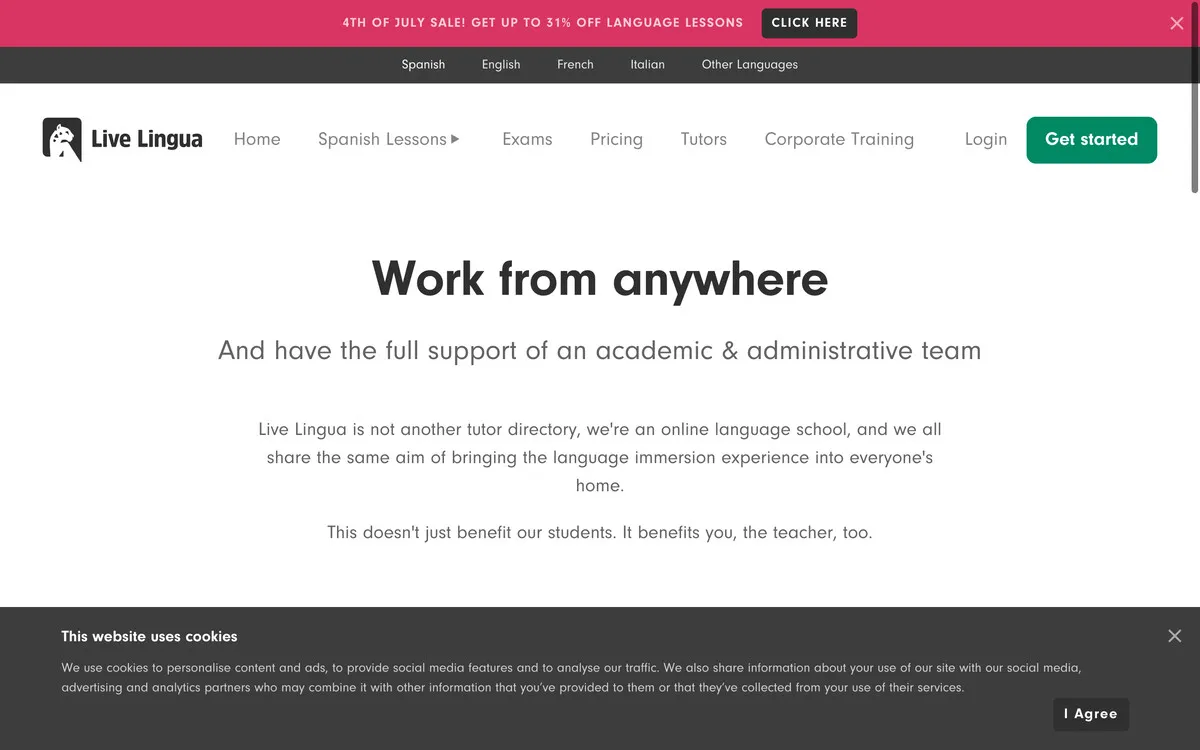
Because the school is selective, class demand stays steadier once you are onboarded, and you are not fighting for visibility in a crowded marketplace feed. Lessons are customized to each student rather than scripted.
Applicants generally need a teaching certificate and prior online experience. Live Lingua pays through PayPal on a set schedule.
10. EF English Live
EF English Live, part of the long-established EF Education First, hires online teachers to run group and private lessons for adult learners worldwide. As one of the oldest names in the field, it offers reliable volume and professional support.
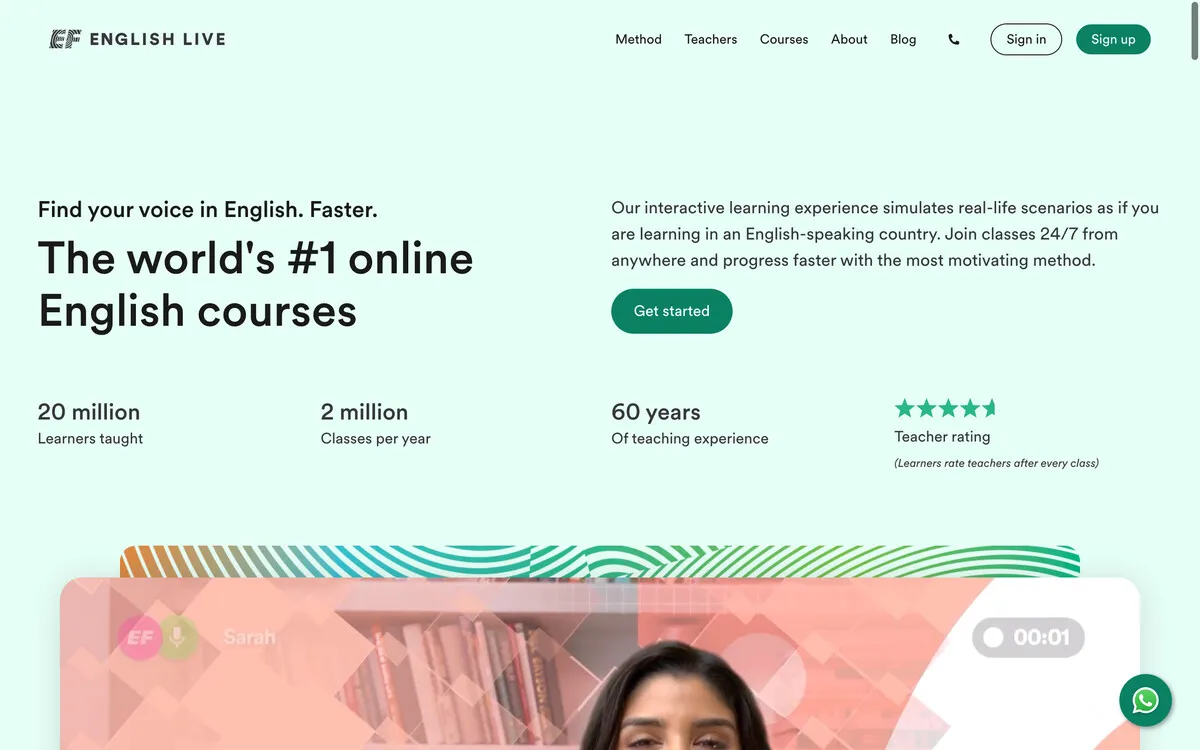
Pay usually falls between $10 and $17 per hour, backed by scheduled hours and structured materials. The stability and brand recognition make it a safe landing spot for newer online teachers.
You will generally need a bachelor’s degree and a TEFL or TESOL certificate. EF pays monthly through direct transfer.
What You Need to Start Teaching English Online
Put simply, you need a reliable computer, solid internet, a headset, a quiet space, and ideally a TEFL certificate.
You can launch on most platforms with gear you probably already own, which is part of why online teaching remains one of the lowest-cost ways to earn from home. The essentials are modest but non-negotiable.
Start with a reliable laptop or desktop, a stable wired internet connection, and a decent headset with a clear microphone. Students forgive a lot, but they won’t sit through frozen video or an echoing room.
A quiet, well-lit space with a tidy background signals professionalism and helps you win repeat bookings. Natural light or a small ring light makes your video noticeably more inviting.
Credentials open the higher tiers. A 120-hour TEFL or TESOL certificate is the standard entry ticket, and while conversation apps like Cambly skip it, nearly every platform above $15 an hour expects one.
Finally, sort out how you’ll get paid before your first lesson. Setting up PayPal, Payoneer, or Wise ahead of time means your earnings arrive without delay once payouts begin.
How to Choose the Best Platform for You
The quick rule: pick marketplaces for maximum pay, fixed-rate employers for steady hours, and Cambly for the easiest start.
The right platform depends on what you’re optimizing for: maximum pay, steady hours, or the lowest barrier to entry. There’s no single winner that fits everyone.
If your goal is the highest ceiling, start with the marketplaces where you set your own rate. Preply, iTalki, and AmazingTalker reward strong profiles and reviews with rates the fixed-pay platforms simply cannot match.
If you want predictable income without selling yourself, a fixed-rate employer suits you better. Lingoda, VIPKID, and EF English Live hand you students and materials in exchange for a lower but reliable hourly rate.
And if you’re just testing the waters, Cambly lets you start earning within days with no degree or certificate. Plenty of teachers cut their teeth there, then graduate to a marketplace once they’ve banked a few testimonials.
It is also worth looking beyond ESL entirely. Weighing your options against a wider list of online teaching companies helps you spot roles in math, music, or test prep that may pay even more.
Former classroom teachers tend to ramp up fastest here, so tutoring sits comfortably beside other flexible jobs for retired educators when you are planning a second act. And if lesson prep is not your thing, comparable money is available in well-paid virtual assistant roles that skip the teaching entirely.
How to Earn More per Hour
Bottom line, you lift your rate by getting certified, picking a niche, teaching groups, and juggling more than one platform.
Landing a platform is step one; lifting your effective hourly rate is where the real money is. A few deliberate moves separate the $12-an-hour teachers from the $35-an-hour ones.
Get certified early. A 120-hour TEFL course is inexpensive and pays for itself quickly by qualifying you for higher tiers and better-paying students.
Pick a profitable niche and put it in your headline. Exam preparation, business English, and interview coaching all command rates well above general conversation practice.
Teach groups whenever the platform allows it, since charging per student is the fastest way to break past a one-on-one ceiling. Outschool’s model shows how quickly that math adds up.
The numbers climb faster than most people expect. A tutor charging $28 an hour for 20 hours a week clears roughly $2,240 a month, while the same hours on a $12 conversation app bring in under $1,000.
One rookie mistake is leaving your calendar open at every hour of the day. Concentrating your slots into two or three high-demand windows fills seats faster and spares you the empty gaps that quietly drag your hourly average down.
Finally, diversify your income. Running two or three platforms at once keeps your calendar full, and many teachers treat it as one of several online side hustles they run in parallel to smooth out slow weeks.
Homework-help sites are worth a look too. A close read of Chegg’s tutoring pay shows how flat-rate models stack up against marketplace pricing.
Frequently Asked Questions
What is the highest paying online English teaching company?
Marketplace platforms pay the most because you set your own rate. Preply, iTalki, and AmazingTalker let strong tutors charge $30 to $40 per hour or more, well above the fixed-rate employers.
Can I teach English online without a degree?
Yes. Cambly, iTalki’s community tutor track, and Superprof accept teachers based on fluency rather than a diploma. A TEFL certificate still helps you qualify for higher pay tiers.
How do online English teachers get paid?
Most platforms pay through PayPal, Payoneer, or Wise on a weekly or monthly cycle. Marketplaces release funds after you hit a small minimum, while employers like EF English Live and Lingoda pay on a set monthly schedule.
Do non-native speakers get hired to teach English online?
Yes, especially on iTalki, Preply, and Superprof, where students value clear, fluent communication and relevant qualifications. Some structured employers still require native or near-native speakers.
How much can you realistically earn teaching English online?
Beginners on conversation apps earn about $10 to $12 per hour, while experienced marketplace tutors with full calendars clear $25 to $40. Group classes on Outschool can push effective pay even higher.

Jason is a personal finance expert and the founder of Frugal For Less. He has spent over a decade researching and testing hundreds of money making apps, survey sites, and savings strategies to help readers earn more and keep more of their hard-earned cash.
More about the author →
Want to learn how to make an extra $1,000 per month?
Download our free guide with:
- 10 Side Hustles to Make $1,000/month
- Worksheet for setting money making goals
- Resource List to help you succeed