How to Make Money Dumpster Diving and Garbage Picking, Step by Step

Learn how to make money dumpster diving and garbage picking with gloves, a light and a free selling account. Trash is free, so you profit by cleaning and reselling it.

Disclosure: This post may contain affiliate links. As an Amazon Associate, we earn from qualifying purchases. This comes at no extra cost to you. Read our full disclosure, or see how we review platforms.
Want to Make Extra Money Now?
Here are our 4 favorite free ways to start:
- Survey Junkie Most Popular Earn up to $50 per survey with the #1 survey site. Start Earning
- Freecash $10 Bonus Get paid to play games, try new apps & take surveys. Start Earning
- Sproutful Free Surveys with a $5 minimum cashout & fast payouts. Get 50 Point Bonus
- Swagbucks $5 Bonus Get paid for surveys, videos & shopping online. Get $5 Bonus
Learn how to make money dumpster diving and garbage picking with gloves, a light and a free selling account. Trash is free, so you profit by cleaning and reselling it.
A Nashville reseller had about $140,000 in sales over 12 months. Most people earn far less, especially at first, since cleaning, listing and selling take real work.
The law also bans a few things, like searching a store’s dumpster without permission. Solid furniture, working electronics and tools are among the best legal finds.
Dumpster diving suits patient people with a car and storage who don’t need fast, steady money. The 8 steps start with local rules, so you know what’s legal to take.
Garbage Picking vs Dumpster Diving
Garbage picking means taking usable items from trash at the curb, while dumpster diving means searching the big bins behind stores and apartments.
Both work the same way once you get home.
You clean what you found, check that it works and sell it to someone who wants it.
The big difference is where the trash sits.
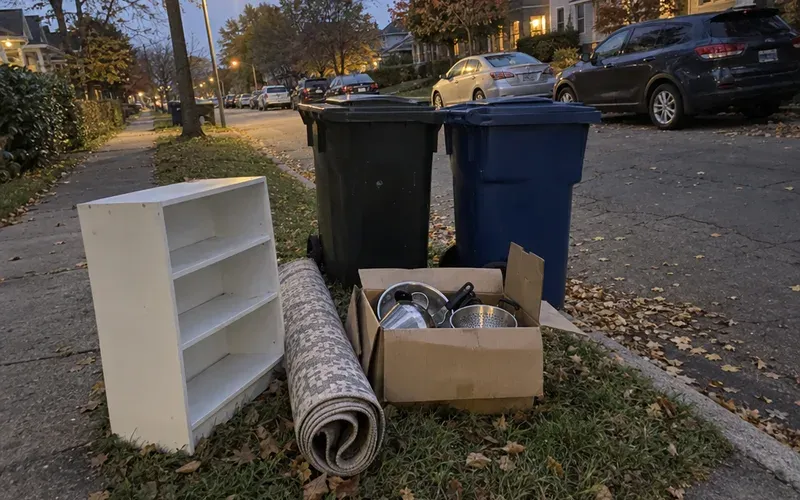
Curbside trash is usually at the edge of a public street, and most dumpsters sit on private land.
That one detail changes the legal risk, as the next section shows.
Either way, the money comes from reselling, not from the trash itself.
Both are resale side hustles, and the location of the trash decides the rules.
Is Dumpster Diving Legal?
Dumpster diving is legal in many US places, but trespassing laws, locked bins and local scavenging rules can make it illegal in a given spot.
No single federal rule says “you may take trash.”
What you can do depends on where the bin sits and what your city or county says.
What California v. Greenwood Actually Says
The case people quote is California v. Greenwood, decided by the US Supreme Court on May 16, 1988.
It held the Fourth Amendment “does not prohibit the warrantless search and seizure of garbage left for collection outside the curtilage of a home.”
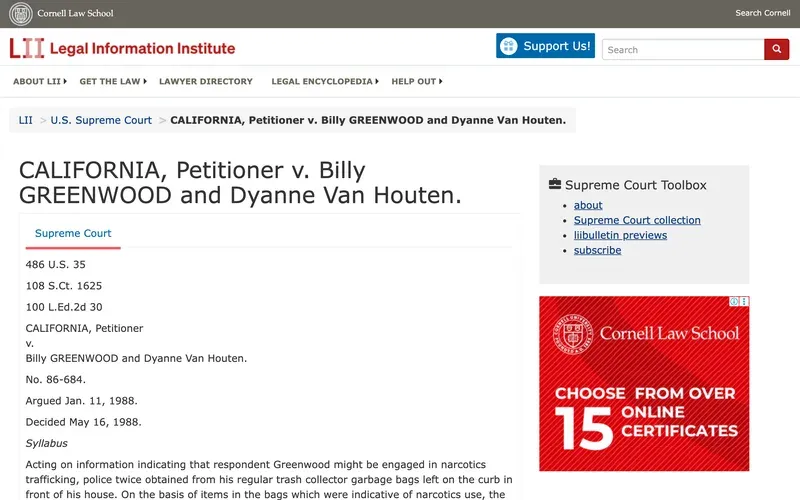
That ruling is about privacy and police searches.
It means police don’t need a warrant to search trash set out for pickup.
It does not give you a right to walk onto private property and take things.
In other words, Greenwood tells you trash at the curb isn’t private, not that every dumpster is open to you.
When Trash Picking Turns Illegal
Trash picking turns illegal when you trespass, break a lock or break a local rule against scavenging.
The New York courts’ law library puts it plainly: “Trespassing laws may apply if the garbage dumpster is on private property.”
The same library notes that local laws may ban taking items from dumpsters and garbage cans.
It adds that city sanitation codes can ban scavenging recyclables.
Locks matter too.
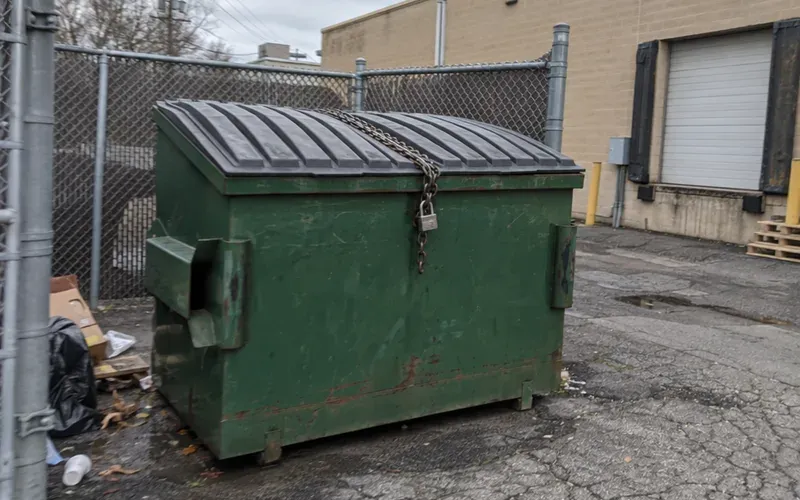
According to FindLaw, “tampering with a lock on a dumpster is also illegal and can end in fines or an arrest.”
The same guide warns that police can fine you for littering or illegal dumping if you leave trash on the ground while you sort.
Here’s how common situations compare:
| Situation | Legal risk | What to do |
|---|---|---|
| Trash at the public curb | Usually low | Check your city code first |
| Dumpster behind a store | Possible trespass | Ask the manager |
| Fenced or gated bin | High | Stay out |
| Locked bin or “No Trespassing” sign | High | Leave it alone |
The safe pattern is simple.
Pick from public curbs where your city allows it, and get permission for anything on private land.
Store Dumpsters vs Curbside Trash
Store dumpsters usually sit on private property, so taking items from them can count as trespassing unless the business says yes.
Curbside trash is different because it sits at the edge of a public street, waiting for pickup.
That makes garbage picking on trash day the lower-risk place to start for most people.
If you want store dumpsters on your route, talk to a manager during business hours.
Some will say no, and that answer settles it.
How to Ask a Store for Permission
Asking a store for permission works best in person, on a quiet weekday, with a short and polite request.
Bring the request to the manager on duty, not a cashier, and say exactly what you plan to do.
Offer to keep the area clean, since no store wants a messy loading dock.
If you’d rather leave a note or send an email, use something like this:
Hi, my name is [your name], and I live nearby. I resell furniture and household items that would otherwise go to the landfill. Would you allow me to check your dumpster for items you’ve thrown away? I’ll come after closing, close the lid and leave the area cleaner than I found it. You can reach me at [phone number].
Keep any yes in writing, such as a text or email from the manager.
If staff change, that message shows you had permission.
What to Do if Someone Asks You to Leave
If an owner, a worker or a police officer asks you to leave, stop searching, stay calm and go.
Arguing never helps, even when you think you’re within the rules.
Put back anything you were holding, close the lid and leave the area clean.
If you have written permission from a manager, show it politely.
Take note of what happened in your log, and cross the spot off your route if you were told not to return.
Coming back after a clear warning can turn a polite request into a trespassing charge.
Start at the curb and treat every store dumpster as off-limits until someone gives you a clear yes.
How to Make Money Dumpster Diving Step by Step
Making money dumpster diving starts with checking your local rules and ends with tracking what sells.
Each step below builds on the last one.
Step 1: Check Your Local Rules
Start with your city or county code, because local rules decide what you can legally take.
Search your town’s name plus “scavenging” or “solid waste” on its official website or its code publisher’s site.
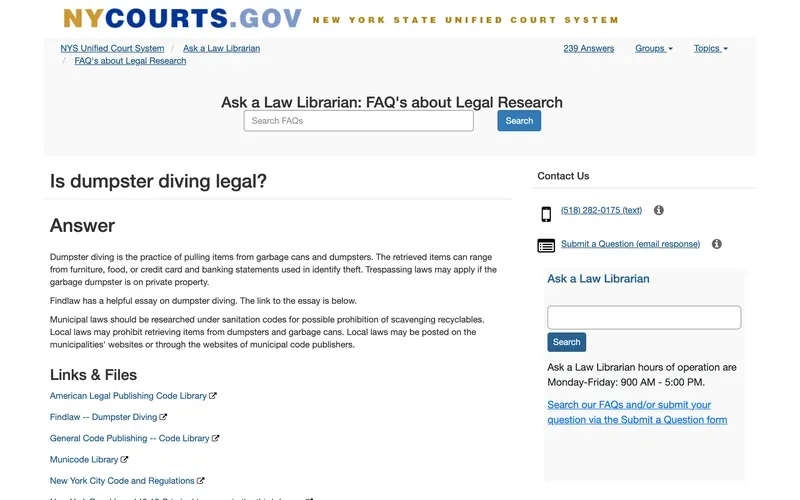
Look for three things: any ban on taking items from bins, rules about recycling carts and your pickup days.
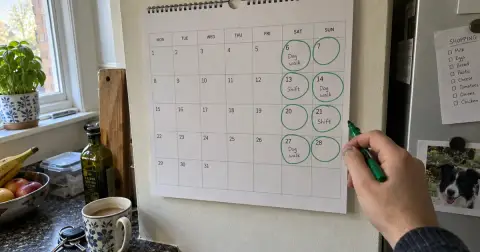
Write the pickup days down, since they become your schedule.
Step 2: Choose Your Spots
Your first route should mix two or three curbside streets with any business that has given you permission.
Neighborhoods with lots of moving, such as apartment blocks and areas near colleges, tend to put out more furniture and household goods.
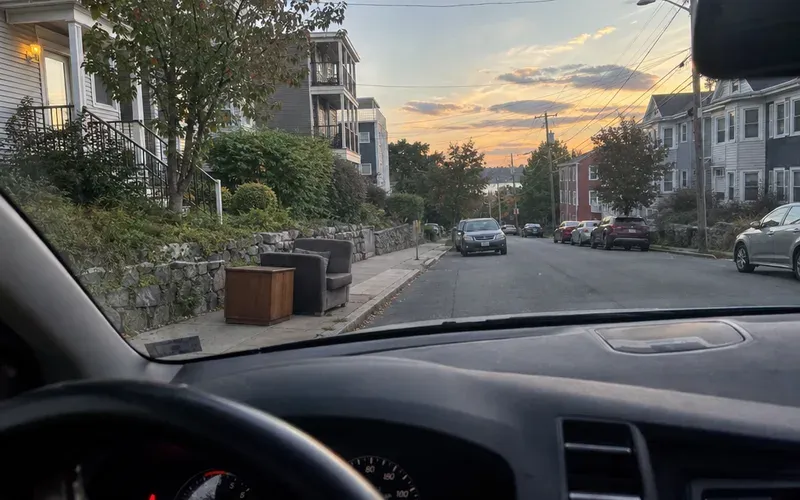
Keep the route short at first.
Gas is a real cost, and a tight loop lets you check more spots in less time.
Step 3: Time Your Runs
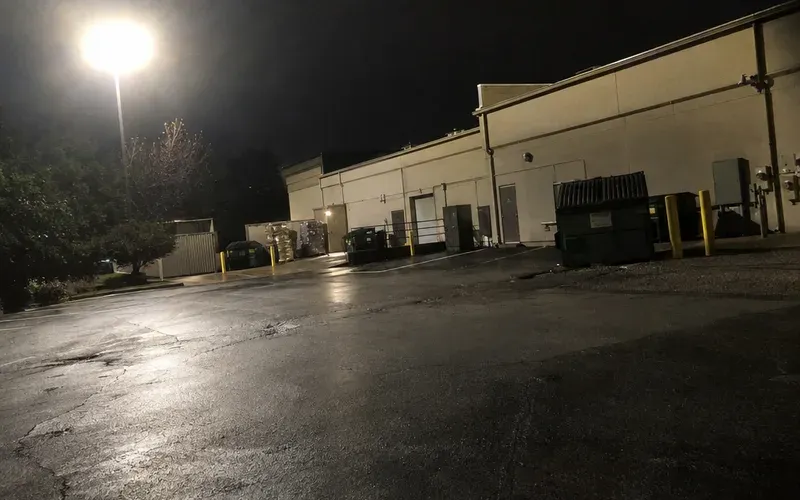
Plan most runs for the evening before trash pickup, when bags and bulky items are out but the truck hasn’t come yet.
For stores that have said yes, go about an hour after closing, as Robin Greenfield’s dumpster diving guide suggests.
Timing changes by city, so treat these as starting points and adjust.
Step 4: Pack the Right Gear
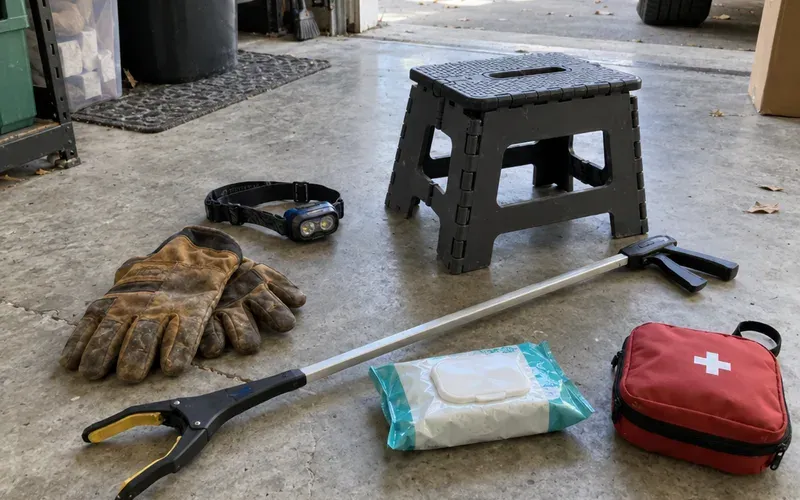
Dumpster diving gear should protect your hands, feet and eyes first, then help you see, reach and carry.
Here’s what to bring on every run:
- Heavy work gloves: thick gloves protect you from glass, nails and sharp metal.
- Sturdy boots: closed-toe boots with thick soles keep your feet safe.
- A headlamp: it keeps both hands free after dark.
- A grabber tool: it lets you move bags without leaning in.
- A small step stool: it lets you see over a tall rim without climbing in.
- Wipes, sanitizer and a first aid kit: clean up right away and cover any cut.
- Bags or bins: they keep your car clean on the ride home.
You don’t need to buy everything at once.
Gloves, boots and a light cover most of the risk.
Step 5: Search Safely and Choose What to Take
Search from outside the bin when you can, and take only items you can clean, check and sell within a few weeks.
Never climb into a compactor or a bin that a truck could empty while you’re near it.
Before you load something, ask yourself two quick questions.
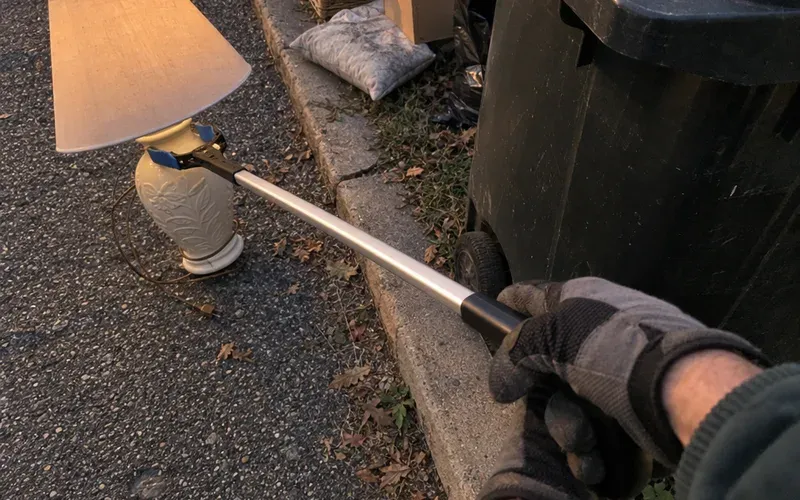
Can I clean or fix it in under an hour, and do I know where I’d sell it?
If the answer to either one is no, leave it.
A garage full of “maybe” items is how many new divers lose money.
Step 6: Clean, Test and Fix Your Finds
Cleaning and testing your finds turns trash into products that buyers trust.
Each type of find needs a slightly different routine.
- Furniture: vacuum it, wipe it with mild soap and water, then let it dry fully before you check every joint.
- Electronics: wipe the outside, plug it in and test every button, port and setting you can.
- Clothing and fabric: wash it on the hottest setting the label allows, then check seams and zippers.
- Tools: wipe off dirt and rust, then make sure moving parts turn and lock.
Small fixes can raise what an item sells for.
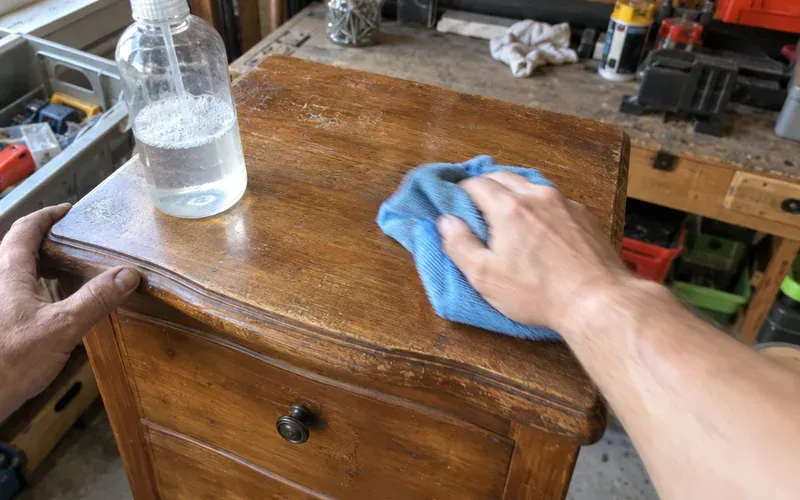
New knobs or a coat of paint can make a curbside dresser look like a store find.
Our upcycling project ideas show which fixes are worth the effort.
Be honest about anything you can’t fix.
A clear “works, but the left speaker crackles” saves you from returns and bad reviews.
Step 7: Price and List Your Items
Price each item by looking up what the same thing actually sold for, not what sellers are asking.
On eBay, filter search results to “Sold Items” to see real prices.
Take photos in daylight against a plain wall, and show any damage up close.
Write a short title with the brand, model and size, since that’s what buyers type.
Bulky items do best on local pickup sites, and small items you can ship do best on national sites.

For local sales, set your price a little above what you’d accept.
Many local buyers offer less, and that room lets you say yes without losing money.
Group small, cheap items into bundles, such as a box of kitchen tools or a set of picture frames.
One sale of $20 takes less time than four sales of $5.
A short, honest description helps too.
You can adapt this one for most finds:
[Brand and item name], [size or model]. Cleaned and tested, works as it should. [Describe any flaw, such as a scratch on the left side]. Pickup only from [nearby cross streets], or I can meet at a public spot.
Step 8: Track What Sells
Keep a simple log of each run: the date, the spot, what you took and what it sold for.
Robin Greenfield, who says he has been in over 1,000 dumpsters in 25 states, suggests keeping a journal of your outings to spot a pattern of good days.
That pattern is the real value.

After a month, you’ll know which streets and days are worth your gas.
The steps that make money are the boring ones: checking rules, cleaning items and tracking what sells.
Before Each Run
- Check your city’s code for scavenging rules and your trash and bulk pickup days
- Pack gloves, sturdy boots, a headlamp, a grabber, wipes and a first aid kit
- Plan a short route and note which spots are public and which need permission
Before You List an Item
- Clean it, test it and write down any flaw
- Check sold listings for what it really sells for
- Take bright photos and pick the platform that fits its size
What Trash Items Are Worth the Most Money?
The trash items worth the most money are usually solid furniture, working electronics, tools, brand-name clothing and clean scrap metal, because each has steady buyers.
People throw away a lot of furniture in particular.
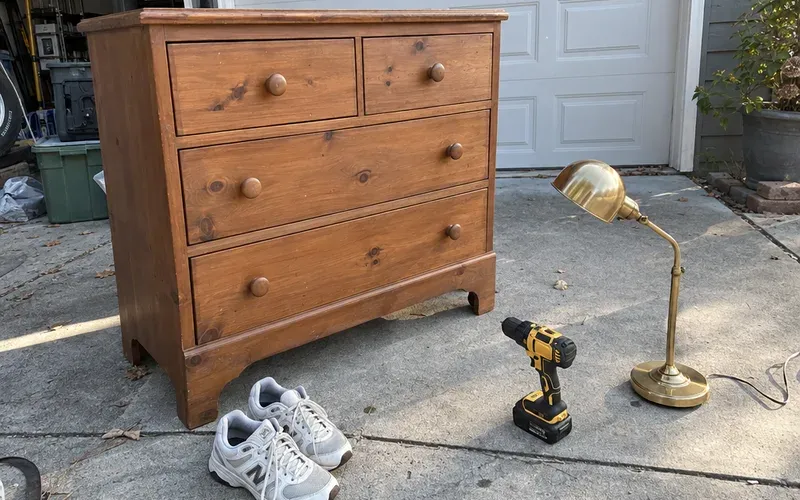
The US EPA reports that furniture and furnishings made up 12.1 million tons of waste in 2018, and 80.1 percent of it went to landfills.
That’s a huge supply of dressers, tables and chairs that never got a second owner.
Here’s what each type of find needs before it sells:
| Item | Why it sells | Where to sell |
|---|---|---|
| Solid wood furniture | Buyers want sturdy pieces | Local pickup sites |
| Working electronics | Easy to test and ship | eBay |
| Hand and power tools | Steady demand from DIYers | Local sites or eBay |
| Brand-name clothing | Brands search well | Poshmark or eBay |
| Copper and aluminum | Paid by weight | Scrap yards |
Furniture takes the most space but often pays the most per trip.
Electronics are small and easy to ship, but you need to test them and be clear about flaws.
Scrap Metal From the Trash
Scrap metal pays by weight at local scrap yards, so it rewards you for sorting it before you go.
Copper wire, aluminum cans and old appliances are the common finds.
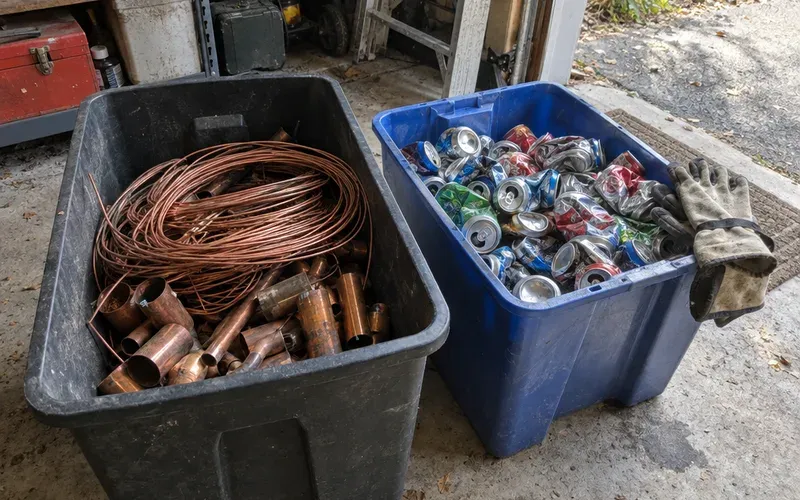
Prices change often, so call a yard before you haul a heavy load.
Our list of the best things to scrap covers which metals pay the most and how to sort them.
What to Leave Behind
Leave anything you can’t clean safely, anything broken beyond a simple fix and anything that looks like hazardous waste.
That includes leaking batteries, paint, chemicals, stained mattresses and anything with mold.
Skip items that hold personal papers too, such as old mail or bank statements.
Phones and Computers With Personal Data
Phones, laptops and hard drives you find may still hold the last owner’s photos, accounts and files.
Never open those files or keep them.
Before you sell any device, do a full factory reset from its settings menu, or remove and destroy the storage drive.
Say in your listing that the device was reset, since buyers look for that line.
A device that won’t turn on can still sell for parts, as long as you say so clearly.
Take the items with clear buyers and leave the ones that only look valuable.
Best Places to Dumpster Dive and Garbage Pick
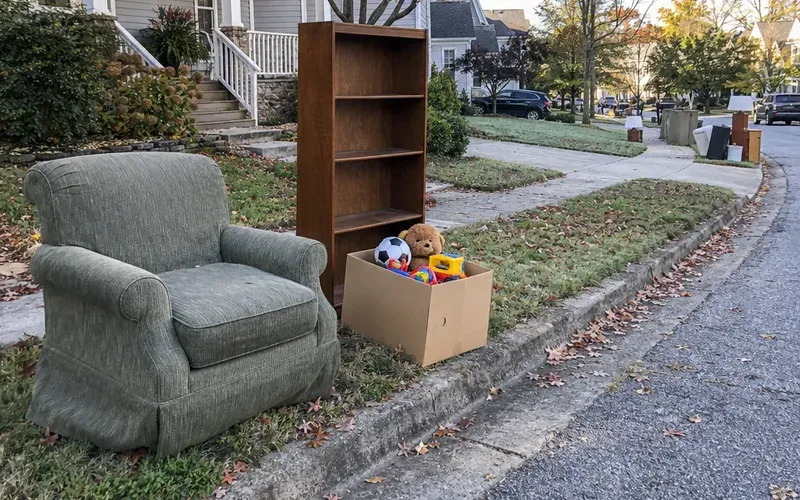
The best places to dumpster dive and garbage pick are curbs on bulk trash day, apartments at month’s end and stores that say yes.
College areas at move-out time belong on that list too.
Each spot gives you different items to sell, from furniture at the curb to old displays in store dumpsters.
Curbside on Bulk Trash Day
Curbside picking works best on your city’s bulk or large-item pickup days, when people put out furniture, toys and tools.
Look up the bulk pickup calendar on your city’s website.
Drive or walk your route the evening before, and look for clean items set beside the bins, not inside them.
Signs of quality include solid wood, metal hardware, maker’s labels and drawers that slide well.
Apartments and College Move-Out
Apartment complexes and college areas put out the most usable items when leases end.
The end of the month, and the end of the school year near campuses, are when many people move at once.
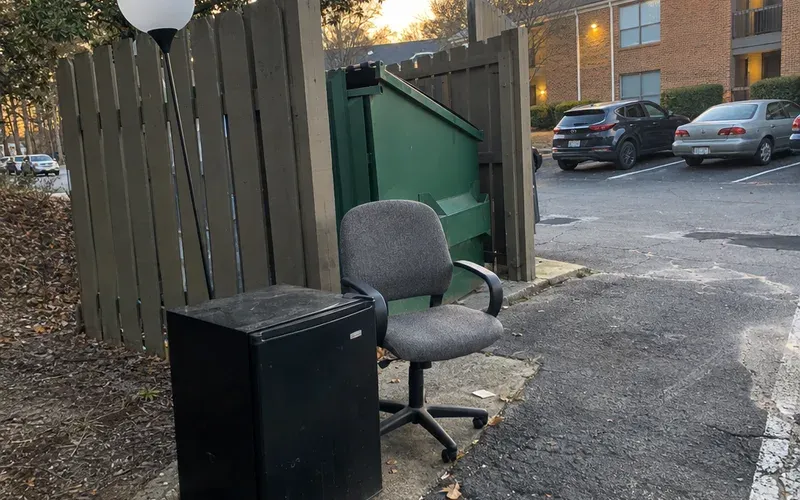
Rushed movers often leave furniture, lamps and small appliances they can’t fit in a car.
Remember that apartment dumpsters are private property, so ask the leasing office before you take anything from them.
Retail Store Dumpsters
Retail store dumpsters can hold damaged-box returns, old displays and seasonal goods, but you need the store’s permission to search them.
Stores that change their shelves often, such as those with holiday items, clear out more than stores that sell the same things all year.
Some stores lock their bins or use compactors.
A locked bin is a no, so move on to the next spot.
Free Giveaway Groups
Free giveaway groups give you a legal source of inventory that never touches a dumpster.
The Buy Nothing Project calls itself a “global community for giving and getting stuff, completely for free.”

Neighbors post things they want gone, and you pick them up.
The curb is the easiest place to start, and permission opens up the rest.
Best Day and Time to Dumpster Dive
The best time to dumpster dive is usually the evening before trash pickup, and for stores that allow it, about an hour after closing.
Timing matters because you want the bins full and the truck not yet there.
You can check the store hours online and go about an hour after that.
Here’s the deal: there’s no single best day for every town.
Pickup schedules change by street and by city, so your own log will tell you more than any general rule.
Weekends often bring more household clear-outs, since people have time to clean garages and closets.
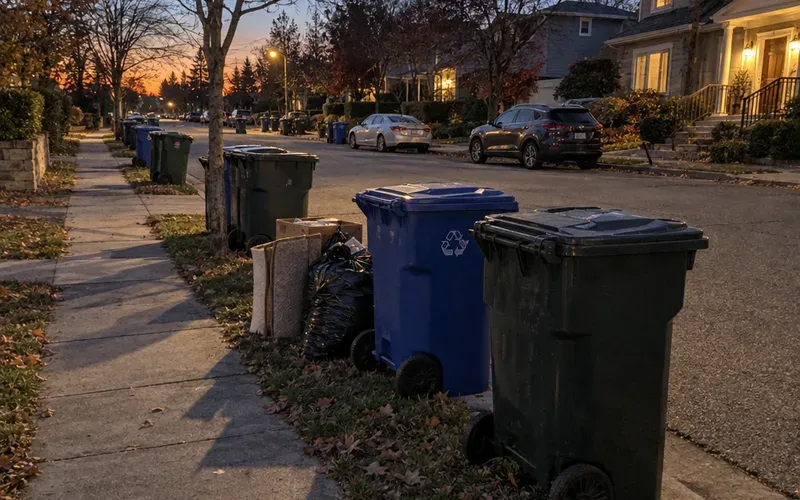
Some times of year bring more, too.
Spring cleaning, the end of each month and the days after big holidays often fill curbs with things people no longer want.
Start with two runs a week, write down what you find and adjust from there.
Your city’s pickup schedule sets your calendar, and your notes fine-tune it.
Where to Sell What You Find
Sell bulky finds on local pickup sites such as Facebook Marketplace, Craigslist and OfferUp. Sell small, shippable items on eBay, Mercari or Poshmark.
The right place depends on how big the item is and who is likely to want it.
Here’s how the main options compare:
| Platform | Best for | Selling cost |
|---|---|---|
| eBay | Electronics, tools, collectibles | 13.6% plus a per-order fee |
| Facebook Marketplace | Furniture and big items | Check before you list |
| Craigslist | Bulky local items | Check before you list |
| Poshmark | Brand-name clothing | Check before you list |
| Scrap yard | Copper, aluminum, steel | Paid by weight |
On eBay, most categories carry a final value fee of 13.6% on the sale up to $7,500, as of November 2026.
eBay also adds a per-order fee of $0.30 for orders of $10 or less and $0.40 above $10.
You get up to 250 listings a month with no insertion fee.
Those fees matter on cheap items.
A $10 find loses $1.66 to eBay before shipping, so small items work better in bundles.
If you sell mostly on eBay, price with the fee in mind.
Clothing sells well on Poshmark, where buyers search by brand and size.

For small items you can pack and ship, Mercari is another place to list them.
The guide to selling everything you own shows where odd items sell best.
For more places to list, see our roundup of online flea markets.
Old books and discs have their own buyers too, as our guides to flipping books and selling used DVDs explain.
A yard sale can also clear out many low-priced finds in one morning, while Mercari suits small items you can pack and ship.

When you meet local buyers, pick a busy public spot and take cash or a payment app you trust.
Some police stations offer a safe spot for these meetups, so ask yours.
For big furniture, ask the buyer to bring a helper and a vehicle that fits it.
That keeps you from carrying heavy pieces alone or giving out your home address to strangers.
In other words, match the item to the platform, and count the fees before you set a price.
How Much Money Can You Make Dumpster Diving?
Dumpster diving income depends on your time, storage and selling skill. One Nashville reseller reported about $140,000 in sales in 12 months.
Most people earn far less, so treat that case as the top end, not the norm.
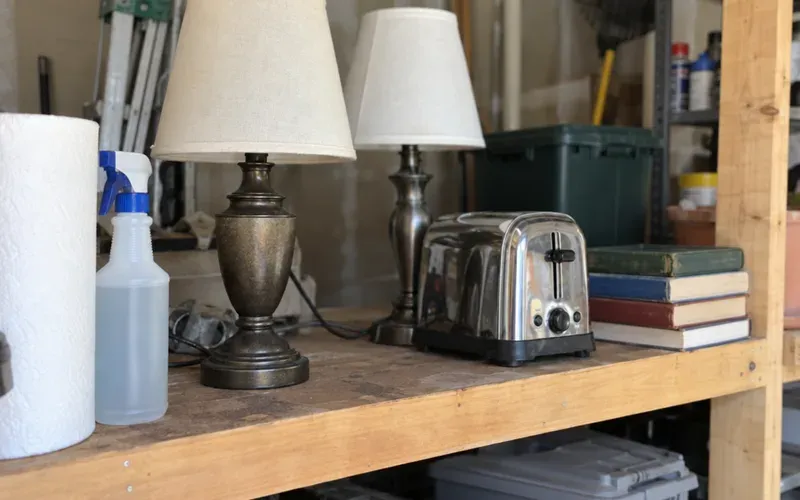
In November 2026, CNBC reported on Carter Stevens, a 31-year-old reseller in Nashville.
He earned roughly $140,000 in total sales between September 2025 and September 2026.
He sells on eBay and Facebook Marketplace and works near office parks and luxury condos a few miles from his apartment.
Why does that matter?
That $140,000 is sales, not profit.
He pays $400 a month for a storage unit.
He also told CNBC, “I’m not acting like this is something I could do every year.”
Most people won’t come close to his numbers, especially at first.
Here’s a made-up example to show how the math works.
Say you sell 10 items in a month for $40 each, which is $400 in sales.
| Line | Amount |
|---|---|
| Sales | $400.00 |
| eBay fees (13.6% plus $0.40 each) | -$58.40 |
| Gas for 8 runs | -$40.00 |
| Cleaning supplies | -$15.00 |
| Profit before taxes | $286.60 |
In this made-up month, you keep about $287 for all the hours spent searching, cleaning and listing.
That’s real money, but it depends on finding items that sell and keeping your costs low.
Dumpster diving can pay, but your profit is what’s left after fees, gas and storage.
Costs and Taxes to Plan For
The main costs of a trash resale side hustle start with selling fees, such as eBay’s 13.6% on most sales. You also pay for gas, storage, cleaning supplies and taxes.
Each one is small on its own, but together they decide whether a run was worth it.
Storage is the one that surprises people.
If finds pile up in the garage, you either sell faster or pay for space, like the storage unit Carter Stevens rents.
Taxes come next.
The IRS says marketplaces and payment apps must send a Form 1099-K when your payments pass $20,000 across more than 200 transactions.
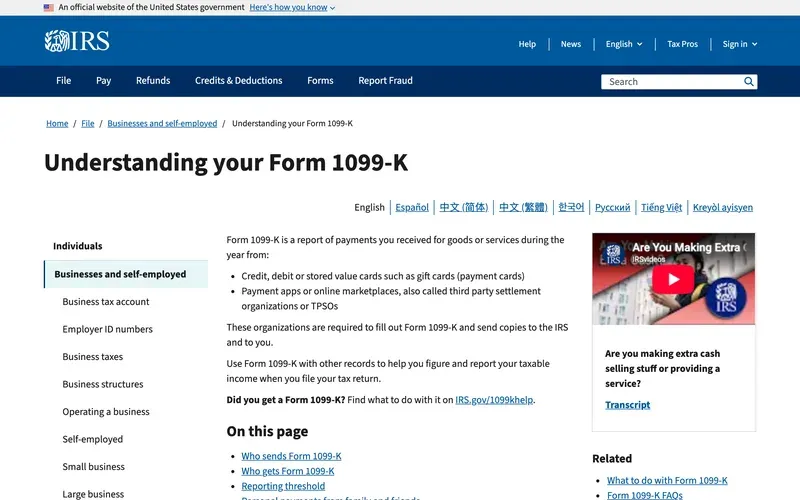
But you still owe tax below that line.
The IRS states, “Whether or not you receive a Form 1099-K, you must still report any income on your tax return.”
The best part?
Good records make tax time easy.
Keep these in one spreadsheet from day one:
- Each sale: the date, the item, the platform and the price.
- Each fee: platform fees, payment fees and shipping labels.
- Your costs: gas, cleaning supplies, repair parts and any storage rent.
Track your costs as closely as your sales, because both show up on your taxes.
Is Dumpster Diving Safe?
Dumpster diving is reasonably safe if you protect your hands and stay out of bins, but sharp objects, bacteria and chemicals are real risks.
A 2013 news report in the medical journal CMAJ described risks such as “cuts from nails, knives, glass and other sharp objects.”
The same report noted that dumpsters breed bacteria and that some are sprayed with pesticides.
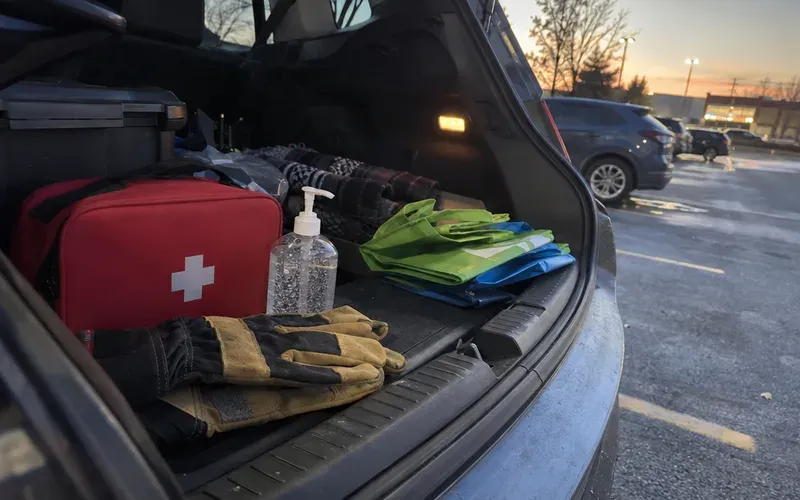
A small cut on your hand can turn into an infection if dirt gets in.
What does that mean for you?
Wear thick gloves every time, clean any scratch right away and keep a first aid kit in the car.
Here are the rules that keep you out of trouble:
- Stay outside the bin: use a grabber or step stool instead of climbing in.
- Never touch a compactor: it can crush you.
- Skip food for resale: you can’t know how it was stored.
- Avoid hazardous waste: leave chemicals, batteries and needles alone.
- Go with a friend: a second person helps at night and with heavy items.
Wash your hands before you eat or touch your face after a run.
The right gear and a few firm rules make trash picking much safer.
Dumpster Diving Etiquette That Keeps Spots Open
Good dumpster diving etiquette means leaving every spot cleaner than you found it, so bins stay unlocked and neighbors stay friendly.
A mess could lead to a locked dumpster.
That’s the fastest way to lose a good spot for everyone.
Close lids, re-tie any bag you open and pick up anything you drop.
If a business owner or neighbor asks you to leave, say thanks and go.
Polite divers keep their spots, and messy ones lose them.
How to Store Your Finds
Store your finds in a dry, clean space. Give anything unsold after 30 days a lower price, a new platform or a trip to donation.
Storage is where many trash resale side hustles fail.
Damp garages ruin wood and fabric, and piles hide the items you meant to list.
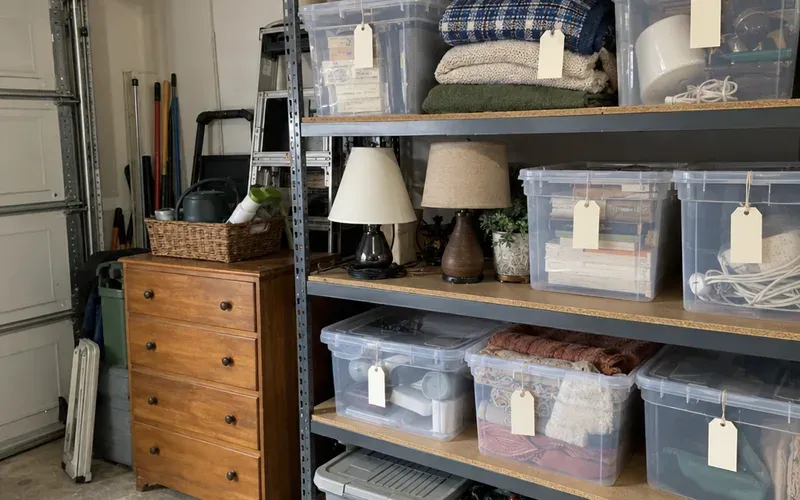
Here’s a setup that works in a small space:
- Use shelves, not piles: stack bins on shelves so every item stays visible.
- Tag each item: write the date you found it and the price you listed it at.
- Keep a “to clean” zone: dirty finds stay apart from items ready to sell.
- Sell big pieces first: furniture takes the most space, so list it right away.
Don’t bring home more than you can store.
When your shelves are full, the next run should be a selling day, not a searching day.
A tidy storage spot keeps your inventory moving and your costs low.
Is Dumpster Diving Worth It?
Dumpster diving is worth it if you have a car, some storage and patience for cleaning and listing, but not if you need fast, steady money.
The best part of this side hustle is that your inventory is free.
You can start with gloves, a light and a free selling account.
It suits you if you enjoy hunting for deals, can fix small problems and don’t mind getting a little dirty.
It also helps if you live in a busy area with frequent moves and regular bulk pickup.
Skip it if you have no place to store items, no vehicle or a city that bans scavenging.
It’s also a poor fit if you need a set amount of money by a certain date, since finds and sales are never guaranteed.
It’s a good side hustle for patient, handy people, not a quick fix for bills.
Common Mistakes New Dumpster Divers Make
The most common mistakes new dumpster divers make are taking too much, skipping the rules and never tracking what sells.
Each one costs time or money, and each one is easy to avoid.
Watch out for these:
- Hoarding “maybe” items: if you can’t name a buyer, the item will sit in your garage.
- Ignoring local rules: a single fine can cost more than you earn in a month.
- Climbing into bins: it’s the fastest way to get cut or trapped.
- Pricing from asking prices: sold prices show what buyers really pay.
- Hiding flaws: returns and bad reviews cost more than an honest discount.
- Forgetting fees: a low-priced sale on eBay can lose most of its profit to fees.
Most of these come from moving too fast in the first few weeks.
Slow down, keep your log and sell what you have before you bring home more.
The divers who last are picky about what they take and honest about what they sell.
Can You Make a Living Dumpster Diving Full Time?
You can make a living dumpster diving full time, but it’s rare and depends on steady finds, storage space and fast selling.
Carter Stevens, the Nashville reseller with $140,000 in sales in one year, shows it can happen.
Full-time resellers spend much of their week cleaning, photographing, listing and shipping, not just searching.
Income also swings from month to month, since you can’t plan what people throw away.
Even the Nashville reseller with $140,000 in sales said he couldn’t promise that result every year.
The catch? Full-time resale needs space, a vehicle that can haul furniture and enough cash saved to cover slow months.
For most people, it works best as a side hustle next to a steady job.
Try it on weekends for three months, and look at your log before you decide to grow it.
If you like unusual side gigs, our list of weird ways to make money has more ideas.
The make money hub covers steadier options.
Treat it as a side hustle first, and grow it only after your log proves it pays.
Key Takeaways
- Know the law. California v. Greenwood covers police searches of curbside trash, while trespass laws and local codes still apply.
- Start at the curb. Public curbside trash on bulk pickup day is the lowest-risk place to begin.
- Take what sells. Solid furniture, working electronics, tools, brand-name clothing and clean scrap metal have steady buyers.
- Count the costs. eBay's 13.6% fee, gas and storage all come out of your sales.
- Report the income. You must report resale income even without a Form 1099-K.
- Stay safe. Wear thick gloves, stay out of bins and never touch a compactor.
Frequently Asked Questions
In what states is it legal to dumpster dive?
Dumpster diving is not banned by name in a federal law, so the real limits come from state trespass laws and city or county codes.
Check your local code before you start, since some towns ban taking items from trash or recycling bins.
Does Walmart lock its dumpsters?
Walmart dumpster setups change from store to store, so you can’t count on any location having an open bin.
If a bin is locked, fenced or posted with a sign, leave it alone and ask a manager instead.
How many dumpsters do you need to make money?
Dumpster divers usually do better with a short route of a few steady spots than with one bin.
Keep a log of each stop, and drop the ones that never turn up items worth selling.
Is dumpster diving a good way to make money?
Dumpster diving is a good way to make side money if you have a car, some storage space and time to clean and list items.
Profit comes from reselling, so expect to spend more time selling than searching.
Can you dumpster dive for food?
People do take food from dumpsters, but food has the highest health risk because you can’t know how it was stored.
For a money making side hustle, stick to items you can clean and resell.
Do you have to pay taxes on things you find and sell?
Yes, you must report income on your tax return whether or not a marketplace sends you a Form 1099-K.
Keep records of your sales, fees and costs from the start.
The Bottom Line
Dumpster diving and garbage picking pay best when you treat them as a small resale business that you run safely and legally.
This week, look up your city’s scavenging rules and bulk trash days, then plan one short curbside run and list your first find.

Jason is a personal finance expert and the founder of Frugal For Less. He has spent over a decade researching and testing hundreds of money making apps, survey sites, and savings strategies to help readers earn more and keep more of their hard-earned cash.
More about the author