How to Flip Cash: 7 Legit Methods, From $20 Flips to Car Deals

Flipping cash means buying an item below its market price and then reselling it for a profit. Most flips start with under $100, and the profit comes from the price gap rather than luck.

Disclosure: This post may contain affiliate links. As an Amazon Associate, we earn from qualifying purchases. This comes at no extra cost to you. Read our full disclosure, or see how we review platforms.
Want to Make Extra Money Now?
Earn up to $50 per survey with the #1 survey site.
Surveys with a $5 minimum cashout & fast payouts.
Get paid to play games, take surveys & try new apps.
Get paid for surveys, videos & shopping online.
Flipping cash means buying an item below its market price and then reselling it for a profit. Most flips start with under $100, and the profit comes from the price gap rather than luck.
Most people who search this have a specific number in mind. They have $100 or $500 sitting in a bank account and want to know what it becomes.
Here’s the honest version. No method on this page doubles your money in a day, and anyone who promises that is running a scam.
What flipping does well is turn idle cash into a few hundred dollars a month. The seven methods below start with a $20 furniture flip you can finish over a weekend.
They end with real estate contracts and domain names, which pay more per deal but move slower.
All seven are legal, and none need a license, a degree, or a business loan.
The Best Things to Flip for Cash
Used electronics and solid wood furniture are the best things to flip, followed by power tools and designer clothing.
They share steady demand, easy sourcing, and margins that survive shipping fees.
| Category | Typical buy | Typical resale | Where it sells |
|---|---|---|---|
| Used electronics | $20–$80 | $60–$250 | eBay, Swappa |
| Solid wood furniture | Free–$50 | $120–$400 | Facebook Marketplace |
| Power tools | $15–$60 | $50–$180 | Craigslist, OfferUp |
| Designer clothing | $5–$20 | $30–$120 | Poshmark, eBay |
| Musical instruments | $40–$150 | $120–$450 | Reverb, local pickup |
| Baby gear | $10–$40 | $40–$130 | Facebook Marketplace |
| Jewelry and watches | $10–$100 | $50–$400 | eBay, local jewelers |
| Lego and trading cards | $10–$50 | $40–$200 | eBay, Whatnot |
What this means for you: pick one category and learn it deeply before adding a second. A flipper who knows exactly what a used DeWalt drill sells for will beat one who buys a little of everything.
Heavy items are the exception, since a sofa shows a strong margin on paper until delivery costs erase it.
7 Ways to Flip Cash
These seven methods run from the lowest starting cost to the highest: furniture, retail arbitrage, domain names, websites, credit cards, real estate, and cars.
1. Furniture Flipping
Furniture has the widest price gap of any common category. People give away solid wood pieces because they are moving, and those pieces resell for $150 to $400 once cleaned up.
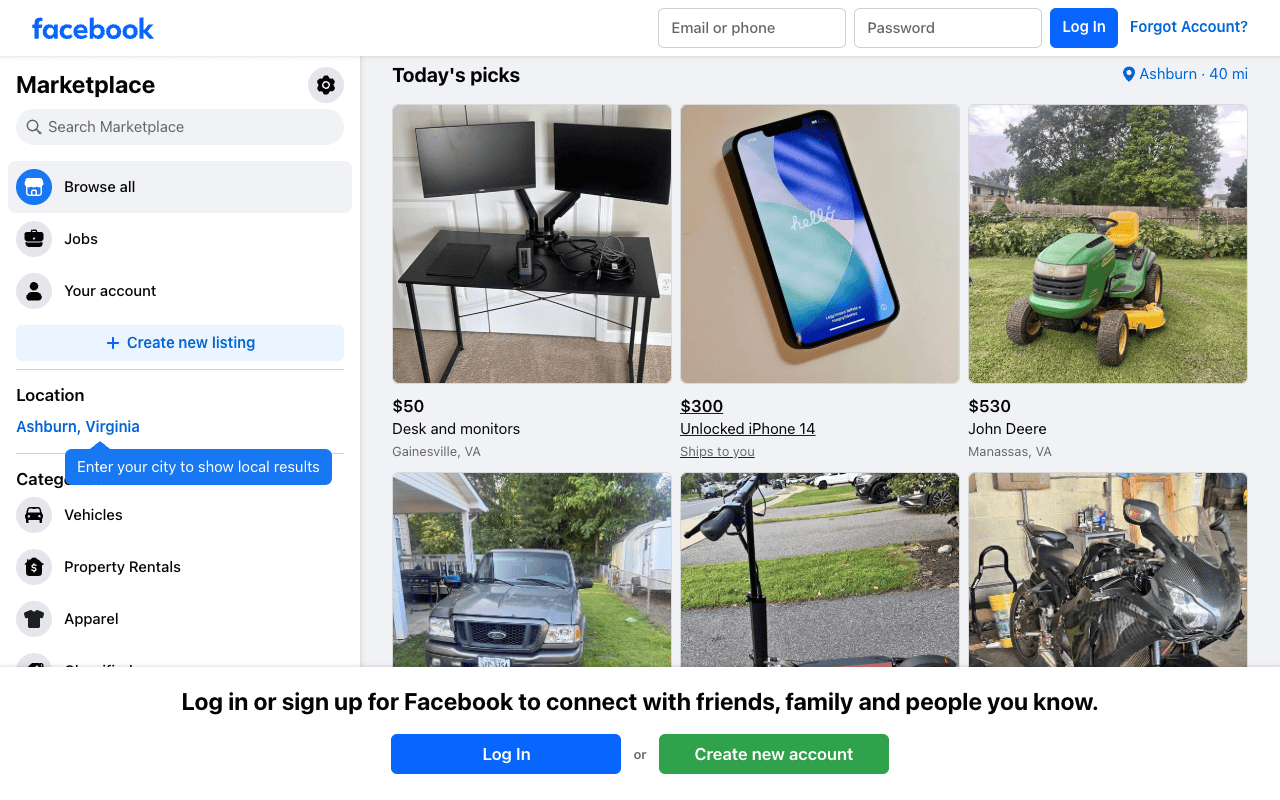
Facebook Marketplace is where most of that supply sits, and its free section is worth checking daily. Search “moving” or “must go” to find sellers who care more about speed than price.
Your costs are small, since a quart of chalk paint, sandpaper, and new drawer pulls run about $45 total.
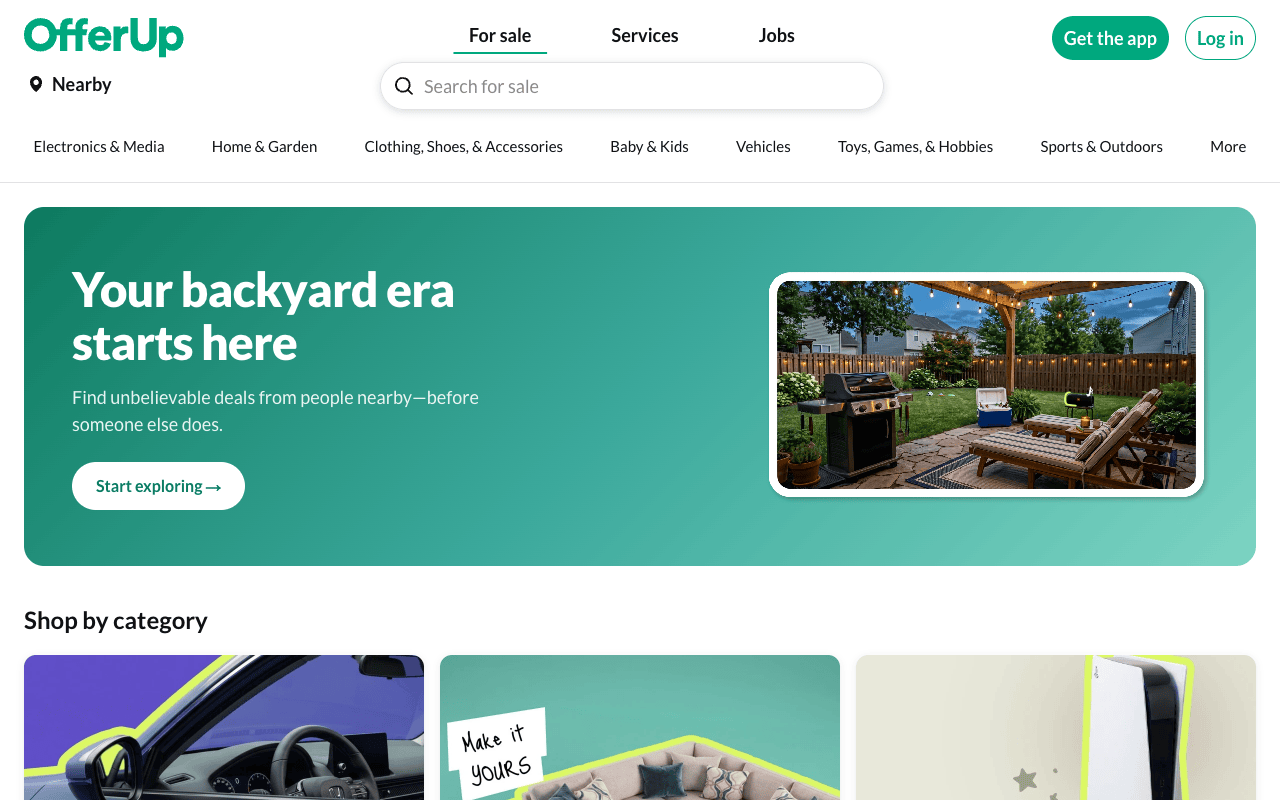
OfferUp is where to list the piece once it is finished, and it runs more local than Facebook does. Buyers there expect pickup, so you skip the cost of delivering.
Start with dressers, nightstands, and dining chairs. Skip anything with water damage or particleboard, because neither repairs well enough to sell.
2. Retail and Online Arbitrage
Retail arbitrage means buying clearance stock in a store and reselling it online. Online arbitrage is the same trade run entirely over the internet.
Check the resale price before you buy, not after. The Amazon Seller app scans a barcode and shows current selling prices in about three seconds.

The margins are thinner than furniture, usually 20% to 40% after fees. You make it up on volume, since you can buy twenty identical units of one item.
3. Flipping Domain Names
Domain names cost about $12 a year to register. Some resell for four or five figures, which is why domain flipping keeps showing up on lists like this one.
Most domain names you register will never sell, and you pay renewal fees every year they sit.
You might be wondering which domain names actually sell. Short domain names, real dictionary words, and local service phrases like “austinroofers” hold value because a business can actually use them.
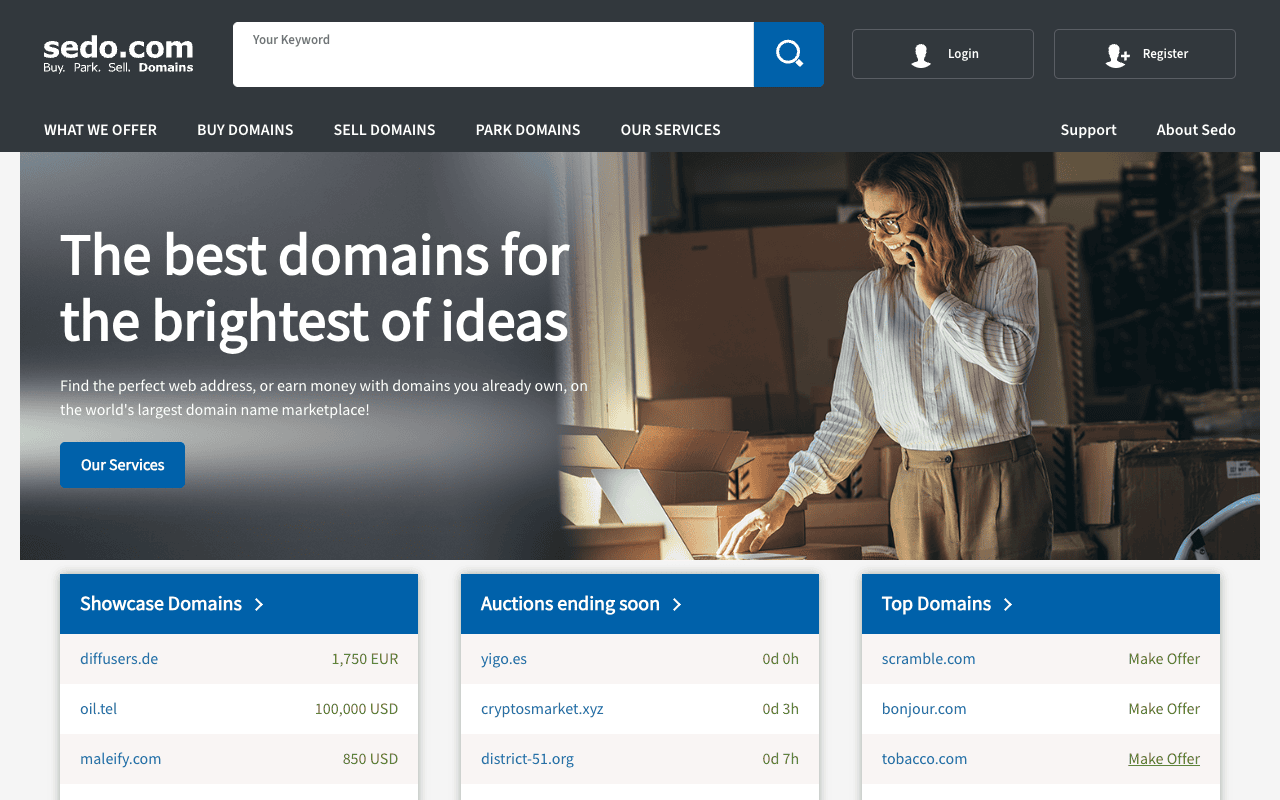
Sedo handles more domain name sales than anywhere else, and its closed auctions show what buyers really pay. Expect months of waiting, so treat it as a long investment, not quick cash.
GoDaddy Auctions is the other main venue, and its expiring domain names often open at single-digit bids.
4. Website Flipping
Website flipping is buying a small site that already earns money, growing that income, and selling it at a higher multiple. Buyers price sites on monthly profit, usually 30 to 45 times.
A site earning $300 a month from affiliate marketing and display ads sells for roughly $10,000 to $13,000. Raise it to $600 a month and the same site sells for double.
You are buying Cash Flow, so every extra dollar of monthly profit is worth 30 to 45 dollars at sale.
Flippa is the bigger marketplace, listing everything from $500 starter sites to seven-figure businesses. The low end is where most beginners can actually afford to learn.

The work is real content and marketing, not a trick. Most investors spend six to twelve months on each site before selling.
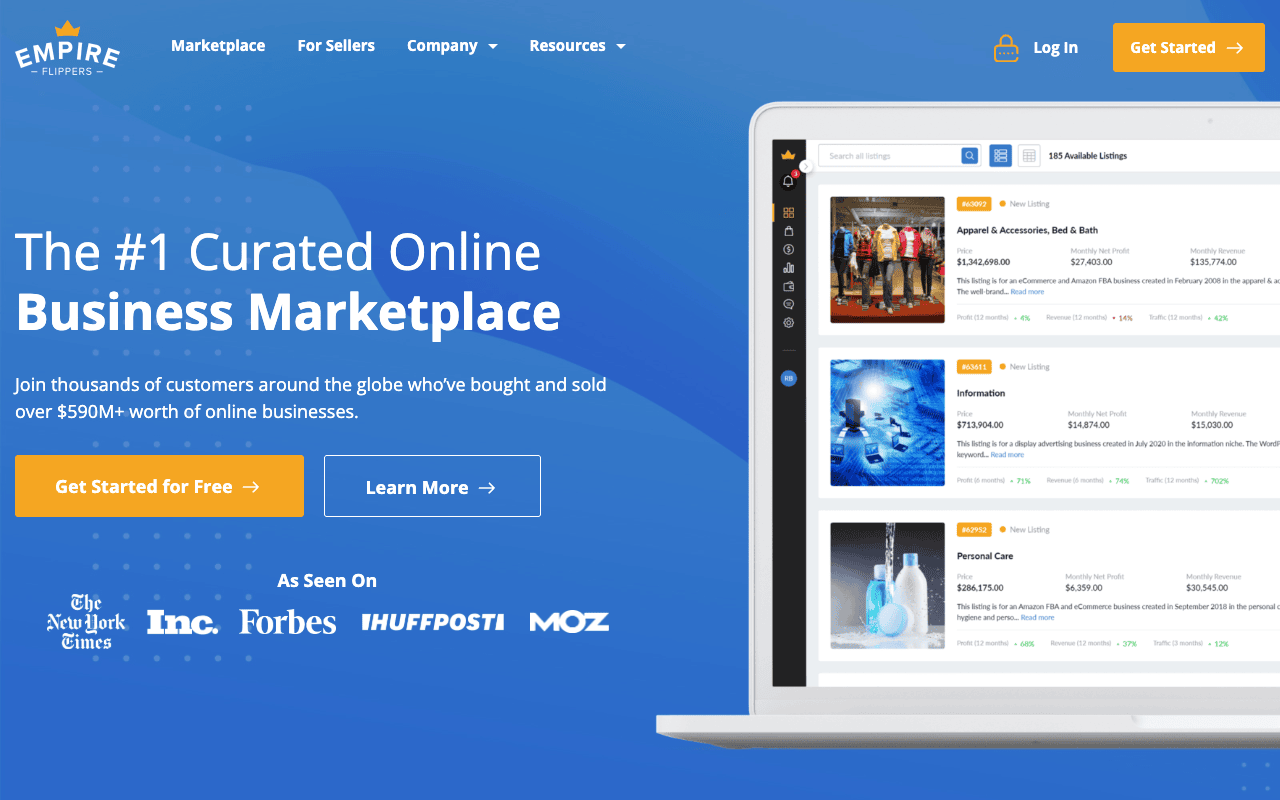
Empire Flippers checks every listing before it goes live, which costs more but removes most of the guesswork. You pay a higher multiple for that.
Check the traffic sources before you buy, since a site running on one Google keyword is far riskier than one with several traffic sources.
Look at the earnings mix too. A site where affiliate marketing brings in 90% of revenue can lose most of its Cash Flow if one merchant cuts its commission rate.
5. Credit Card Churning
Churning means opening credit cards for their sign-up bonuses, hitting the minimum spend, then moving on. A $200 bonus on $1,000 of spending you were doing anyway is real money.
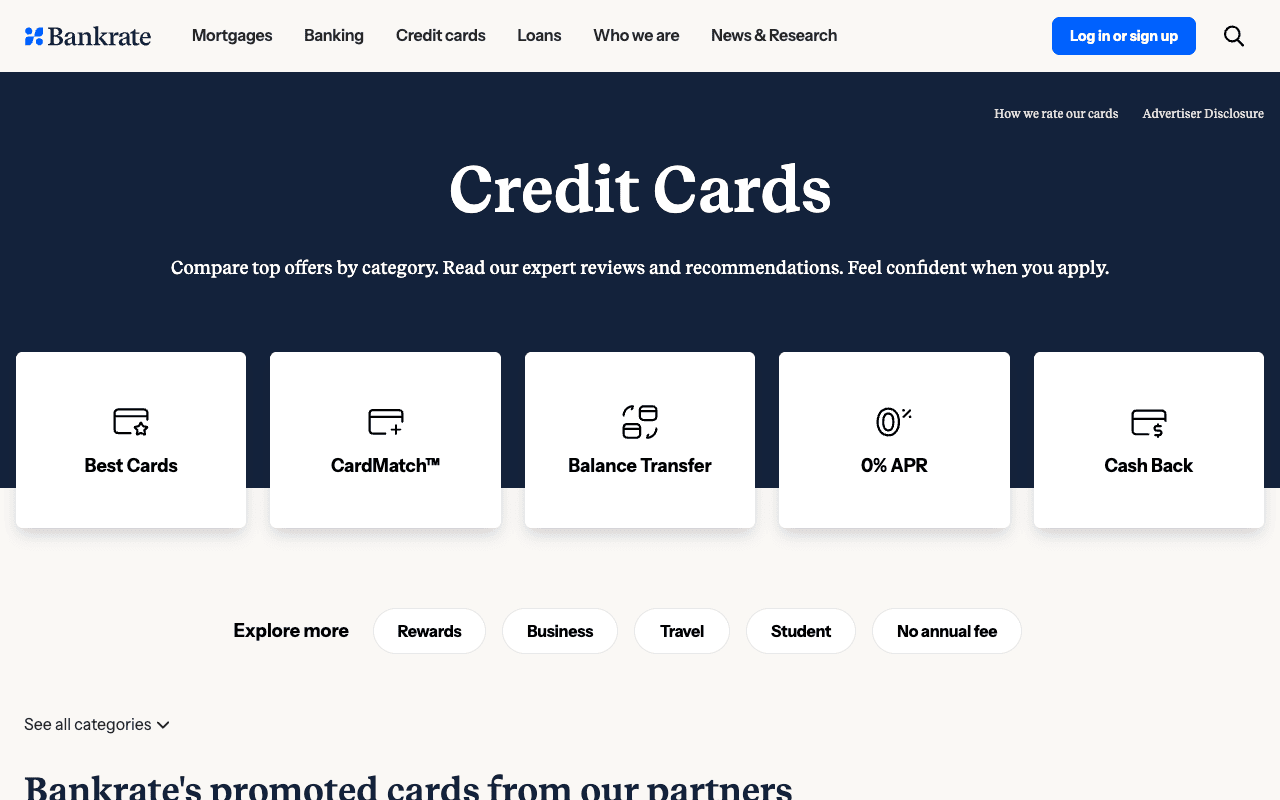
Comparison sites like Bankrate list current offers side by side, which is the quickest way to see what a bonus is really worth. Sort by bonus size, then check the spending requirement against what you already spend.
The short version: this only works if you pay the full statement balance every month. Carry a balance and the interest costs you more than the bonus was worth.
Credit cards charge far more interest than most loans. Rates near 24% mean a $1,000 balance costs about $20 a month, which erases a $200 bonus in ten months.
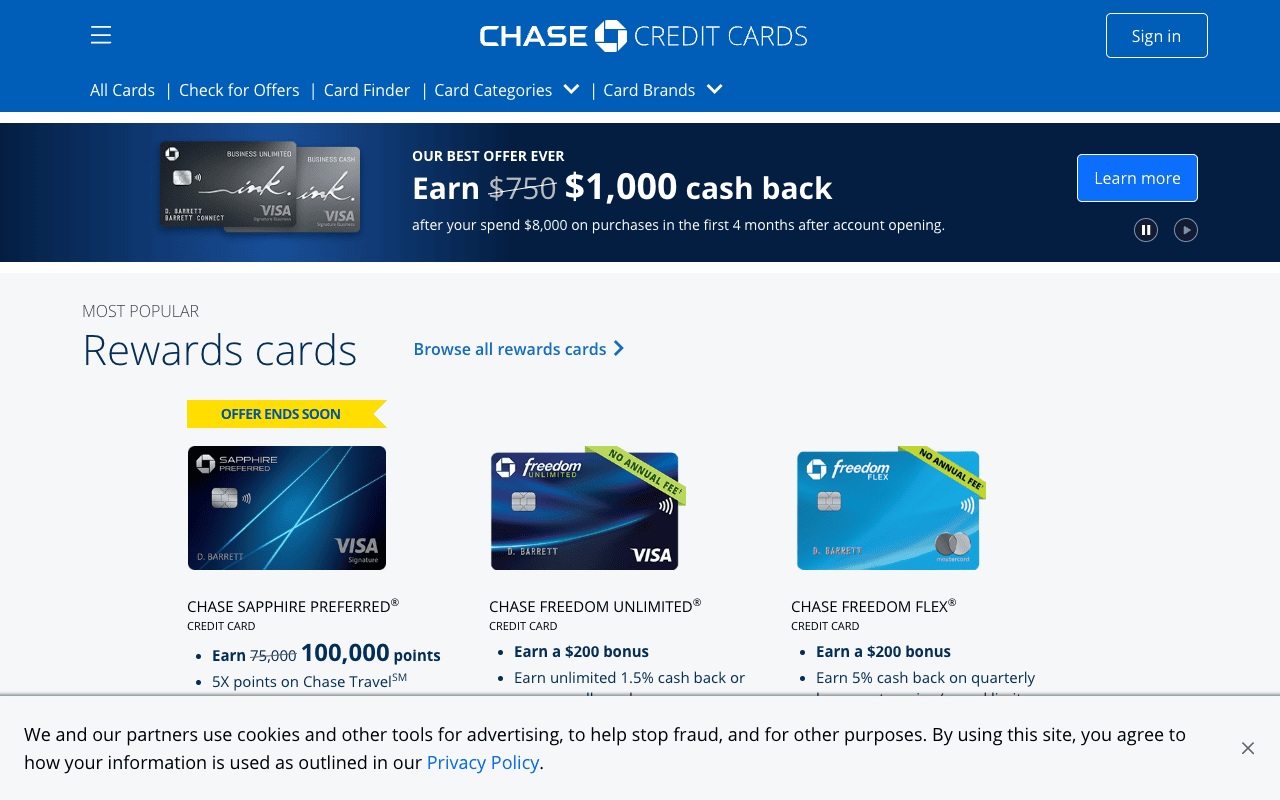
Banks have also tightened the rules. Chase applies a 5/24 limit, meaning it declines most applicants who opened five or more credit cards in the past 24 months.
Other banks run their own restrictions. Applying too often also lowers your credit score, which raises the interest you pay on car loans and mortgages later.
Annual fees matter too, since a card with a $95 fee and a $200 bonus nets you $105, not $200.
6. Real Estate Wholesaling
Real estate wholesaling is the one method here that needs almost no capital. You put a distressed property under contract, then assign that contract to a cash buyer for a fee.
You never own the house, so your profit is just the assignment fee, usually $3,000 to $10,000 on a single deal.
What it costs instead is time. Wholesalers make hundreds of calls to find one motivated seller, and most contracts never reach closing.
Rules vary by state, and several now require a real estate license to market a property you do not own.
Read your state’s statute before you spend a dollar, because assigning contracts without the right license carries fines in some places.
7. Flipping a Car
A car flip has a predictable profit range. Buy a mechanically sound sedan at $2,500, spend $400 on detailing and small repairs, and sell at $4,200.
Mechanical knowledge is what makes this work, because without it you’re buying someone else’s problem at their price.
Private sellers and Copart salvage auctions are where the cheap inventory sits.
Sell it yourself rather than trading in, since Carvana and dealer offers come in below private resale. Their instant quote is still useful as a price floor before you list.
Watch the paperwork side, because many states cap how many cars you can sell per year without a dealer license.
Insurance is the cost people forget, and you pay that insurance the whole time you hold the car.
How Do You Flip Cash Online?
Flipping cash online means sourcing and selling without ever meeting a buyer. Online arbitrage, domain names, and website flipping all work this way.
You sell to the whole internet instead of your city, but you pay platform fees and shipping out of the profit.
What Flipping Cash Actually Means
Flipping is the practice of buying an asset cheap and selling it higher. The gap between those two prices is your profit.
That gap has a name. Economists call it arbitrage, and it explains nearly every method on this page.
Arbitrage works because prices are not the same everywhere. A dresser at a thrift store costs $30 because the store wants the floor space, not because $30 is what the dresser is worth.
That same dresser sells for $180 on Facebook Marketplace, where buyers are searching for exactly that item.
Here is why that matters: you moved an item from a place that undervalued it to a place that did not. That movement is the whole job, and it is also what separates flipping from gambling.
Gambling pays you for luck. Flipping pays you for spotting a price difference and doing the boring work to close it.
How Much Money Do You Need to Start?
The short answer is $20 to $50 for a first flip, and nothing stops you starting at zero.
There is no minimum, but your starting capital decides which assets you can touch and how fast the money comes back.
Under $50: Free and Near-Free Flips
Curbside furniture is free, and so are the “free” sections on Craigslist and Facebook Marketplace, where people give away dressers and bookshelves to clear space.
Your only real cost is gas and a few hours. Paperbacks and textbooks work at this level too, and flipping used books needs about $20 to test properly.
Broken appliances belong here as well. Old microwaves and window units hold copper and aluminum, and scrap metal prices often beat what anyone will pay for the working unit.
$100 to $500: Where Most Flippers Start
This is the range where thrift store runs, garage sales, and estate sales start paying. You can buy five or six items, list them all, and learn which categories sell in your area.
But there’s a catch. At this level your money sits in inventory, so a slow-selling item is money you can’t spend on the next flip.
Keep your Cash Flow in mind, not just your margin. Three items that each earn $40 in a week beat one item that earns $150 in three months.
$500 and Up: Bigger Assets, Slower Turns
Cars, appliance lots, and domain names start at this level. So do real estate contracts, which need no money down but do need time and a phone.
Bigger assets mean bigger risk. A $600 car that needs a transmission is a $600 loss, and no amount of marketing fixes that.
How Fast Can You Flip Money?
Most flips take one to four weeks, not one day.
| Method | Starting cash | Typical turnaround | Realistic margin |
|---|---|---|---|
| Furniture flipping | $0–$50 | 3–14 days | 200–600% |
| Retail arbitrage | $100–$500 | 1–4 weeks | 20–40% |
| Books and media | $20–$100 | 2–8 weeks | 100–300% |
| Credit card bonuses | $0 | 3–4 months | Fixed bonus |
| Car flipping | $1,500+ | 2–6 weeks | 25–60% |
| Website flipping | $3,000+ | 6–12 months | 50–150% |
| Domain names | $12+ | 6 months–5 years | Highly variable |
Nothing on that list pays the same week you start, apart from a fast curbside furniture flip. If a bill is due Friday, faster ways to get cash will serve you better than any flip.
Flipping isn’t the only option worth comparing. Several side jobs you can do from home pay more per hour with no upfront money at all.
Flipping vs. Leaving the Money Invested
Put simply, flipping pays far more per dollar, but only while you keep working at it.
Flipping competes with the simplest option available: leaving the money alone. That comparison is missing from most guides on this topic.
A high-yield savings account at an online bank pays around 4% right now. Put $1,000 in and you earn about $40 of interest in a year, with no work and no risk to the principal.
Stock index funds average roughly 10% a year over long periods. The same $1,000 becomes about $1,100, though any single year can end lower.
Turning $1,000 of inventory over four times at a 40% margin produces around $1,600 in profit, which no passive investment matches.
What separates them is the hours. Investors earn that 10% without doing any work, and flippers earn 160% by working 10 to 15 hours a week.
Flipping builds cash faster, and investing builds wealth with less effort, so most people do both.
Banks also make the two work together, since profit from flips can move into an investment account that turns active income into something that compounds.
Cash Flip Scams and How to Spot Them
The warning sign is always the same: they ask you to send money first.
Search this topic and you’ll find people offering to flip your money for you. Every one of those offers is a scam, without exception.
The Telegram and Instagram Cash Flip
The pitch is simple: send $100 through a payment app and get $1,000 back within the hour, supposedly through some bank glitch.
What actually happens is that your money leaves and nothing comes back. The screenshots and testimonials are fabricated, run by the same person.
The FTC’s guidance is blunt here: anyone who insists you can only pay with cryptocurrency or a gift card is a scammer. Legitimate businesses never restrict you to those payment methods.
Many of these approaches arrive by text. The FTC explains how to report spam text messages by forwarding them to 7726, which alerts your carrier.
Cryptocurrency “Flipping” and Gambling
Cryptocurrency gets called flipping constantly, and the label is wrong. Buying Bitcoin and hoping the price rises is speculation, not arbitrage, because you’re not moving an asset between two markets that value it differently.
Real cryptocurrency arbitrage exists between exchanges, but the spreads are tiny and vanish in seconds. Retail traders lose to bots and transfer fees long before they see a profit.
Borrowing to trade cryptocurrency makes the risk worse. Using credit cards or personal loans to buy a volatile asset means you owe the money whether the price rises or falls.
Gambling gets the same treatment on some sites. Sports betting and casino games are marketed as ways to flip money quickly, and the house edge guarantees a long-term loss.
The difference is control. A furniture flip fails because you misjudged a price, which is a mistake you can learn from and correct.
A gambling loss teaches you nothing, because the odds were fixed before you started. That is also true of cryptocurrency bets sold as a flipping strategy.
What You Owe in Tax on Flipping Income
Yes, you owe tax on flipping profit.
Flipping income is taxable, and most guides skip this detail. The rules depend on whether you flip occasionally or as a business.
Flip regularly and the IRS treats it as self-employment. Anyone with net earnings of $400 or more must file Schedule SE and pay self-employment tax at 15.3%, covering Social Security and Medicare.
Occasional sales are treated differently, so profits on personal assets you sell count as capital gains instead.
The holding period sets the rate. The IRS taxes gains on assets held longer than one year at 0%, 15%, or 20%, based on your taxable income.
Keep receipts from day one. Your purchase price, platform fees, shipping, and mileage all reduce what you owe, but only if you can document them.
Frequently Asked Questions
How do I flip my money quickly?
Furniture is the fastest legitimate flip. Free or cheap solid wood pieces from Facebook Marketplace clean up in a day and often sell within a week for $120 to $400.
Nothing legal turns money over in hours. Treat anyone promising same-day returns as a scam.
What is the best thing to flip for cash?
Used electronics and solid wood furniture have the best mix of steady demand, low buy-in, and strong margins. Power tools, designer clothing, musical instruments, and baby gear also sell reliably.
Pick one category and learn its real resale prices first. Expand only once you can price items from memory.
How can I turn $100 into $1000 in a month?
It takes repeat flips, not one lucky sale. Buy six thrift store items at roughly $15 each and sell them for $70 to $90.
Reinvest the proceeds two or three times to reach that figure. Expect about 15 hours a week of sourcing, listing, and shipping.
How to flip $10 to $100?
Stick to items with a high resale multiple and low weight. Video games, Lego sets, and hardcover books cost $2 to $5 in thrift store bins and library sales.
Those same items regularly sell for $20 to $40 each. Two or three sales get you there, minus platform fees.
The Bottom Line
Flipping cash is real, but it earns part-time money rather than sudden wealth. The money comes from buying below market price and doing the work to resell.
Furniture and used electronics make the best first flips. Both need under $50, sell within two weeks, and teach you how pricing works in your own area.
Keep records of every purchase and sale from your first flip. That habit protects your margins and makes tax season simple when the income grows.
And treat every offer to flip money on your behalf as theft. Real flipping means you buy something, you own it, and you sell it.

Jason is a personal finance expert and the founder of Frugal For Less. He has spent over a decade researching and testing hundreds of money making apps, survey sites, and savings strategies to help readers earn more and keep more of their hard-earned cash.
More about the author →
Want to learn how to make an extra $1,000 per month?
Download our free guide with:
- 10 Side Hustles to Make $1,000/month
- Worksheet for setting money making goals
- Resource List to help you succeed