Budgeting for Beginners: How to Make Your First Budget, Step by Step

Budgeting for beginners comes down to one monthly habit: plan where your take-home pay goes, then check it against what you really spend.

Disclosure: This post may contain affiliate links. As an Amazon Associate, we earn from qualifying purchases. This comes at no extra cost to you. Read our full disclosure, or see how we review platforms.
Budgeting for beginners comes down to one monthly habit: plan where your take-home pay goes, then check it against what you really spend.
You don’t need to be good at math.
You don’t need an app, either.
A pen, your last few bank statements and about an hour are enough to make a budget that puts you in charge of your finances.
In this guide, I’ll walk you through 7 steps to build your first budget.
Then I’ll show you which budgeting method fits beginners best and how to keep it going when money is tight or your pay changes.
How to Make a Budget for Beginners, Step by Step
To make a budget for the first time, gather your bills and pay stubs, find your take-home pay and list what you spend. Then subtract your spending from your income and give every leftover dollar a job.
That’s the whole method.
The steps below break it into small pieces you can finish in one sitting.
Step 1: Gather Your Bills and Pay Stubs
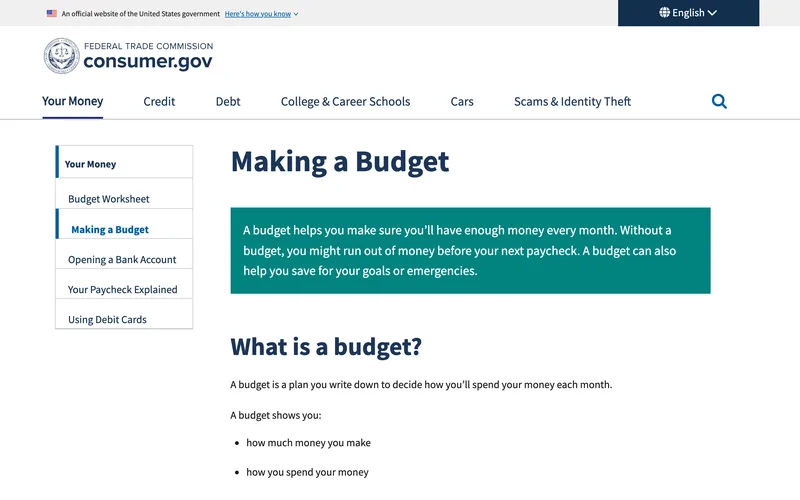
The official consumer.gov budget guide says to start a budget by gathering your bills and pay stubs.
That sounds simple, and it is.
Pull together your last pay stubs, your rent or mortgage statement, your utility bills and your phone bill.
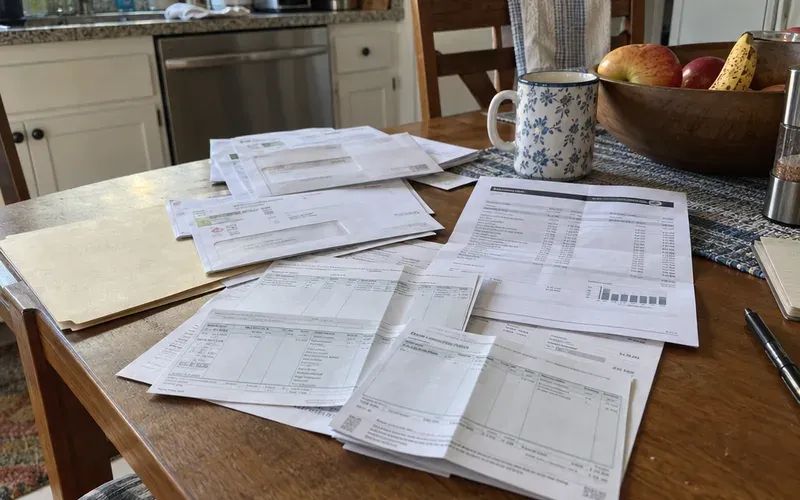
Add your last one or two months of bank and credit card statements, since those show the spending you forget about.
Keep it all in one place, such as one paper folder or one folder on your phone.
Once everything sits in one pile, the rest of the budget is just sorting.
Step 2: Find Your Monthly Take-Home Pay
Your budget starts with your take-home pay, the money that reaches your bank after tax and other payroll deductions.
That number is called net income.
Don’t use your gross income, which is your pay before anything comes out.
Here’s why that matters.
Say your job pays $40,000 a year. Your bank account never sees $40,000, because tax, insurance and retirement savings come out first.
Budgeting from gross income makes your plan look bigger than your real pay. That gap shows up as overspending by the end of the month.
Look at the “net pay” line on your pay stubs and add up what you got in one month.
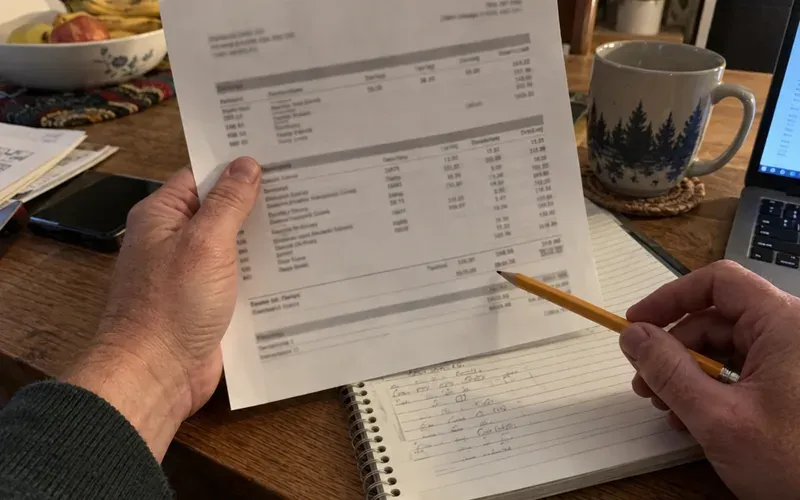
If you’re paid every two weeks, multiply one paycheck by 26 and divide by 12 to get a fair monthly number.
Then add any other money you get each month, such as child support, benefits or side gig pay.
Your monthly take-home pay is the ceiling for everything else in your budget.
Step 3: List Your Fixed Bills
Next, write down every bill that costs about the same each month.
These are your fixed expenses.
Most adults pay some mix of these monthly bills:
- Housing: rent or a mortgage payment
- Utilities: electricity, gas, water and trash
- Phone and internet: cell service and home Wi-Fi
- Transportation: a car payment, car insurance or a transit pass
- Insurance: health, renters or life insurance
- Debt: minimum payments on a credit card, student loan or personal loan
- Subscriptions: streaming, apps and gym memberships
Write the amount next to each one.
Then add bills that come once or twice a year, like car registration or an annual subscription, and divide each by 12.
That small step keeps a $240 yearly bill from wrecking one month, because you set aside $20 a month for it instead.
Many people keep that money in a sinking fund, a small savings pot for one planned cost.
Step 4: Track Your Variable Spending
Variable expenses are the costs that change from month to month.
Groceries, gas, eating out, coffee, clothes and fun money all go here.
This is where most budgets break, because people guess low.
Go through last month’s bank and credit card statements line by line.
Sort each charge into a few simple groups, such as groceries, gas, restaurants and shopping.
You may find you spent twice what you thought at the grocery store, or that small coffee runs added up to a real number.
That’s normal.
The point isn’t to feel bad about it.
The point is to plan with real numbers instead of hopeful ones.
Your past spending is the best guess you have for next month, so start there.
Step 5: Subtract Your Expenses From Your Income
Now add up your fixed expenses and your variable expenses.
Subtract that total from your monthly take-home pay.
According to consumer.gov, this number should be more than zero, and a number below zero means you’re spending more money than you make.
What does that mean for you?
If you have money left, you’re in a good spot, and the next step tells you what to do with it.
If you come out below zero, look at your variable spending first, since it’s the easiest to change.
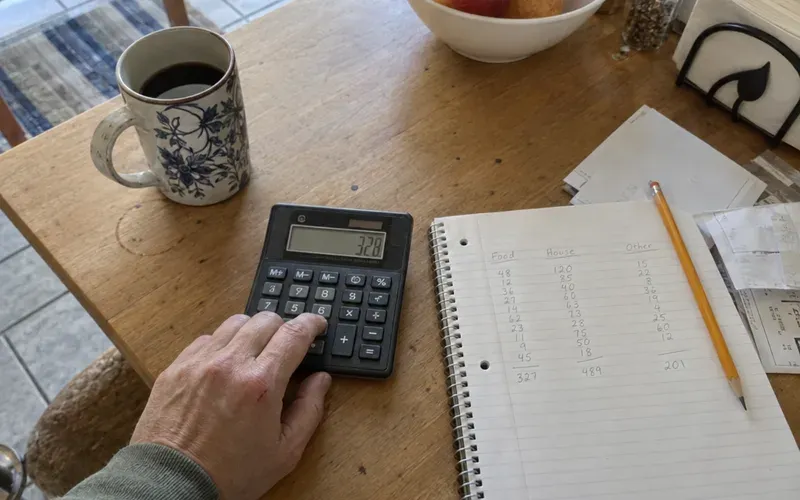
Eating out, shopping and subscriptions are usually the fastest places to find $50 or $100.
If cutting isn’t enough, you may also need more income, and a few extra side hustles can close a small gap faster than cutting alone.
Step 6: Give Every Dollar a Job
Once you know what’s left, decide where each leftover dollar goes before the month starts.
Some of it can go to savings goals, some to extra debt payments and some to things you enjoy.
consumer.gov points out that you can even make savings one of the expenses you include in your budget.
That small change matters.
When savings is a bill you pay yourself, it stops being whatever is left at the end of the month, which is often nothing.
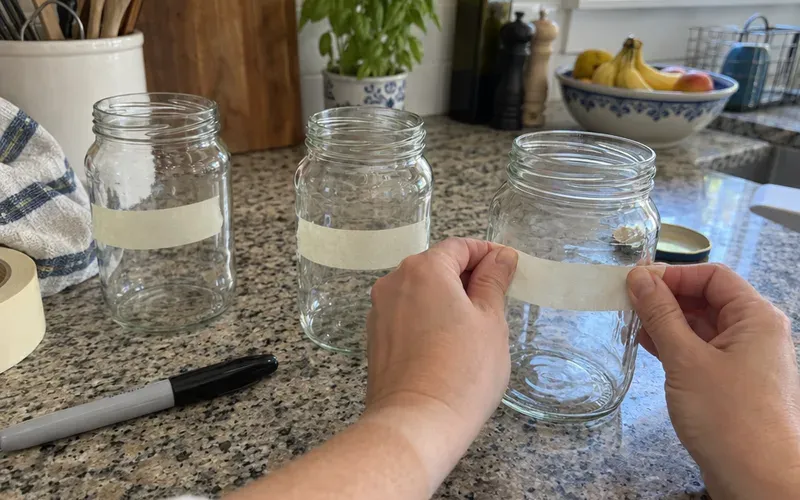
Many beginners give each line a dollar amount until income minus plans equals zero.
That doesn’t mean you spend it all.
It means every dollar has a purpose, including the dollars you save.
Step 7: Check Your Budget Every Week and Every Month
A budget only works if you use it.
The routine consumer.gov suggests is simple: plan at the start of the month, then each day, write down what you spent.
At the end of the month, compare what you planned with what really happened.
Then use what you learned to set next month’s numbers.
If writing it down daily feels like too much, check once a week instead.
A 10-minute check every Sunday catches most problems before they grow.
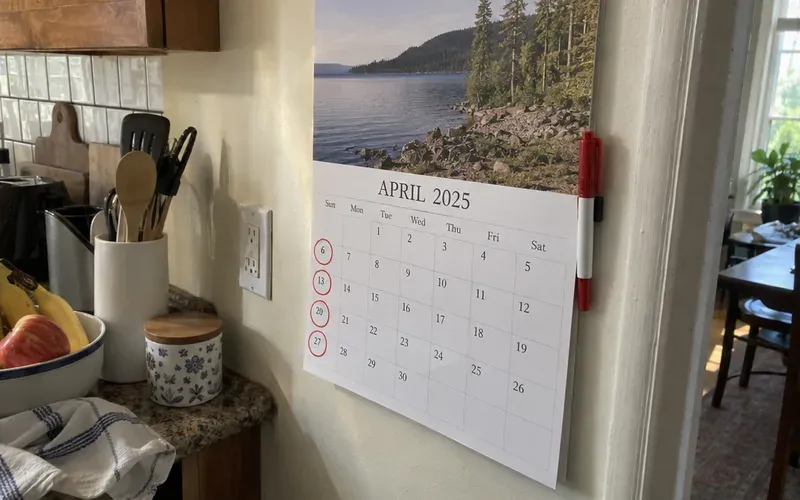
Your first budget will be wrong in a few places, and that’s fine, because each month makes it more accurate.
How to Start Budgeting When You Have No Idea Where Your Money Goes
If you have no idea where your money goes, track all your expenses for 30 days before you cut anything. Then sort that list into a few groups.
Write down everything, from rent to a $2 snack.
You can use a notes app, a small notebook or the back of an envelope.
At the end of the month, sort each line by type.
Here’s what usually shows up:
- Small daily buys: coffee, snacks and drinks that look tiny one at a time
- Forgotten subscriptions: apps and streaming services you stopped using
- Food delivery: fees and tips that add a lot to each meal
- Card swipes: purchases you’d skip if you paid in cash
None of these mean you did anything wrong.
They’re just the gaps between what you think you spend and what you really spend.
After 30 days, you have real numbers for groceries, gas and fun money.

That’s when you go back to Step 4 and set your limits.
One month of honest tracking gives you a better budget than a year of guessing.
A Sample Beginner Budget With Made-Up Numbers
A made-up sample budget for $3,000 of monthly take-home pay could put $1,150 toward rent, $400 toward groceries and $350 toward savings. That leaves $0 unplanned, so every dollar has a job.
Here’s the full made-up plan, line by line:
- Rent: $1,150
- Utilities and internet: $180
- Phone: $50
- Car payment and car insurance: $390
- Groceries: $400
- Gas: $140
- Minimum credit card payment: $90
- Eating out and fun: $200
- Sinking fund for yearly bills: $50
- Emergency savings: $250
- Extra credit card payment: $100
Those lines add up to exactly $3,000.
That means every dollar has a job, with $350 going to savings and $100 going to debt beyond the minimum.
If gas costs $180 next month, you take the extra $40 from eating out and fun, not from savings.
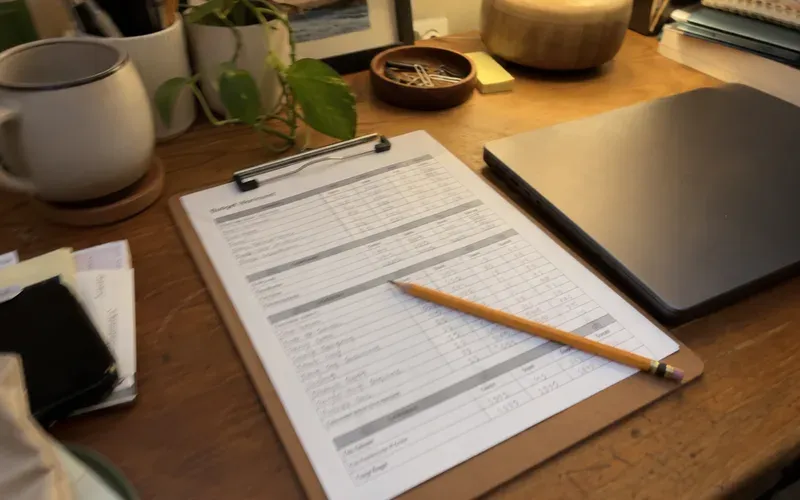
A budget isn’t a promise you’ll never go over, it’s a plan for what to cut when you do.
What Is the 50/30/20 Budget Rule?
The 50/30/20 budget rule splits your take-home pay into three parts: 50% for needs, 30% for wants and 20% for savings and extra debt payments.
Needs are bills you must pay to live and work, such as rent, utilities, groceries, insurance and minimum debt payments.
Wants are things you enjoy but could live without, like restaurants, streaming, hobbies and a vacation.
The last 20% goes to your emergency fund, retirement and paying down debt faster.
Here’s how that looks on $3,000 a month:
- Needs (50%): $1,500
- Wants (30%): $900
- Savings and debt (20%): $600
The best part?
You only track three big buckets, not 20 small categories.
That makes it a good first method if you’ve never budgeted before.
But the split is a starting guide, not a law.
If rent alone takes half your pay, your needs may run 60% or 70%, and that’s a real budget too.
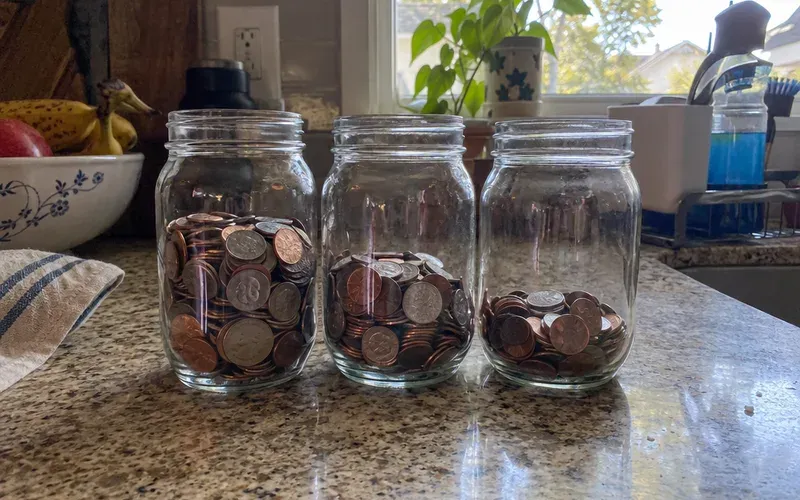
A ready-made 50/30/20 budget template can do the math for you.
Needs vs. Wants: How to Tell the Difference
A need is an expense you must pay to stay safe, housed, fed and able to work. A want is anything you could skip without those things changing.
Rent, basic groceries, utilities, insurance and the minimum on each debt are needs.
Restaurants, streaming, new clothes you don’t need yet and a vacation are wants.
Some costs are part need and part want.
A phone is a need, but the newest phone on a big monthly plan is mostly a want.
Groceries are a need, but snacks, soda and fancy coffee from the grocery store lean toward wants.
A simple test helps here.
Ask yourself: “If I lost my job tomorrow, would I keep paying for this?”
If the answer is yes, it’s probably a need.
If you’d cancel it in a week, it’s a want.
Sorting your spending this way makes the 50/30/20 rule easy to use.

It also shows you where to cut first when your budget comes out below zero, since wants are always the first to go.
Be honest when you sort, because calling a want a need is the fastest way to break a budget.
Which Budgeting Method Is Best for Beginners?
For most beginners, the 50/30/20 rule is the best place to start, because it needs the least tracking and still covers savings and debt.
Other methods work better for certain people, though.
Here’s how the main budgeting methods compare, and who each one suits.
The 50/30/20 Rule
This is the three-bucket plan from the section above.
It suits you if your income is steady and your bills already fit inside about half your pay.
It’s less helpful if you need to know exactly where every $10 goes.
The Zero-Based Budget
A zero-based budget gives every dollar a job until your income minus your plans equals zero.
You write a line for rent, a line for groceries, a line for savings and so on, until nothing is left unassigned.
It suits you if money is tight, if you have clear goals like paying off debt or if you like detail.
The catch?
It takes more time, usually a short planning session before each month starts.
The Cash Envelope System
With the cash envelope system, you take out cash for spending groups like groceries, gas and fun, and put each amount in a labeled envelope.
When an envelope is empty, you stop spending in that group until next month.
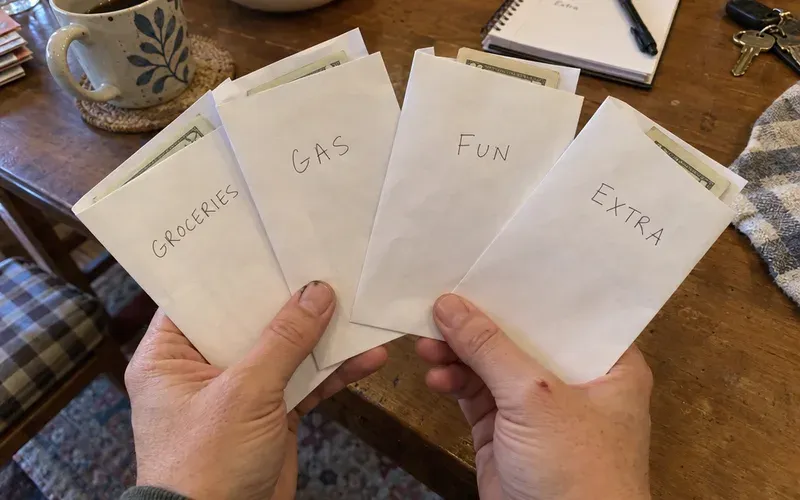
It suits people who overspend with a card, since handing over cash feels more real.
The cash envelope system works best for a few problem groups, not your rent or online bills.
Pay Yourself First
With pay yourself first, you move a set amount into savings on payday, then spend the rest however you like.
You don’t track categories at all.
It suits people who mostly want to save more and already pay their bills on time.
Pick the method you’ll actually keep using, since a simple budget you follow beats a perfect one you quit.
Should You Use an App, a Spreadsheet or Pen and Paper?
The best budgeting tool for a beginner is the one you’ll check every week. For most people, that means pen and paper or a free spreadsheet.

Each option has a trade-off.
Pen and paper is free and slow, and that’s the point.
Writing each purchase down makes you notice it, which helps if overspending is your main problem.
A spreadsheet adds up your numbers for you and lets you copy last month’s plan in seconds.
Free budget templates give you a layout so you don’t start from a blank sheet.
You can also print the free budget worksheet from consumer.gov and fill it in by hand.
Budgeting apps link to your bank and credit card, then sort your spending for you.
That saves time, but some apps charge a monthly fee, and an app can make it easy to stop looking at your numbers.
If you want to try one, compare the free and paid budgeting apps before you share your bank login.
Start with the simplest tool that works for you, then move to an app later if tracking by hand feels like a chore.
How Much of Your Paycheck Should You Save?
A common target is 20% of your take-home pay for savings and extra debt payments, the same share the 50/30/20 rule sets aside.
If 20% isn’t possible yet, start with any amount you can keep up, even $10 or $25 a paycheck.
The habit matters more than the size at first.
Here’s a made-up example of how that grows.
Say you take home $1,200 every two weeks and start by saving 5%, or $60 a paycheck.
That’s $1,560 over 26 paychecks.
Raise it to 10% after six months, and you save $120 a paycheck from then on. Each step up feels small, but the yearly total doubles.
Your first savings goal should be a small emergency fund.
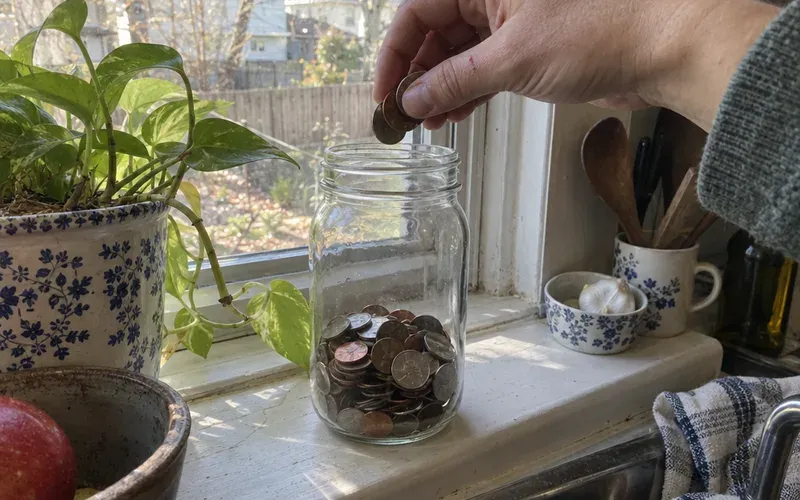
That cushion keeps a flat tire or a doctor’s bill from going on a credit card.
Without it, one surprise car repair can turn into credit card debt that costs you interest for months.
Where you keep that money matters, too.
Keep your emergency savings apart from your checking account, so you don’t spend it by accident.
You can compare the best places for your emergency fund by how fast you can reach the money.
Many people use a high yield savings account, which pays more interest than a regular savings account and keeps the cash separate.
Once your emergency fund is in place, you can raise your savings rate toward retirement and other goals.
Save something every payday, then raise the amount each time your pay goes up.
How to Budget When Your Income Changes Every Month
If your income changes every month, build your budget on a careful monthly estimate, such as last year’s income divided by 12. Then fit your must-pay bills inside what you earn in a slow month.
consumer.gov gives a simple way to find that number: add up all your income from last year, then divide by 12.
That gives you a monthly average to start from.
Here’s the deal:
An average still includes your strong months, so plan your must-pay bills around what you earn in a slow month.

In a strong month, put the extra into savings first.
That cushion then covers the gap in slow months, so your rent never depends on a lucky week.
If you’re a freelancer, gig worker or contractor, set money aside for tax from each payment too.
Nobody takes tax out of that pay for you, and a surprise tax bill can wipe out a month’s budget.
With uneven pay, your savings does the job steady income would do.
How to Budget Money on a Low Income
When money is tight, budget in order of need and pay housing, utilities, food, transportation and minimum debt payments first. Then decide what’s left for everything else.
A percentage rule like 50/30/20 may not fit when rent takes most of your pay.
That doesn’t mean budgeting won’t help.
It means your budget is mostly about making sure the most important bills get paid on time.
Start with your must-pay list and write the due date next to each bill.
If payday comes before a big bill is due, set that money aside the day you get paid.
Then look for small, steady savings in groceries, phone plans and subscriptions.
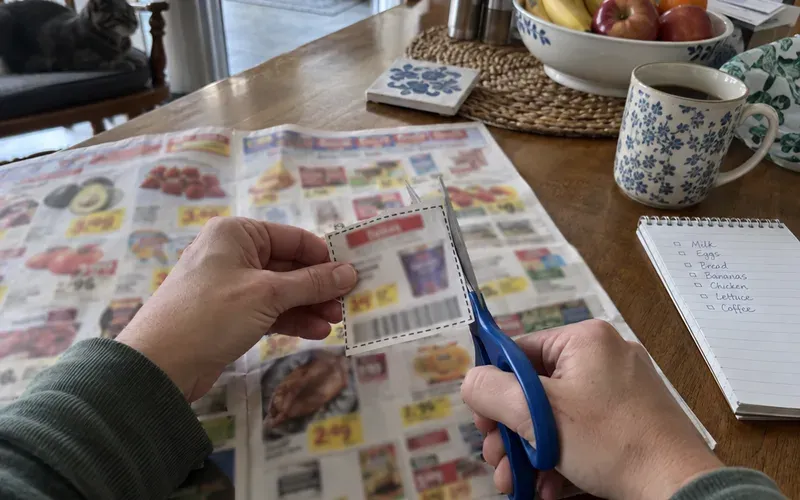
If you know you’ll be short on a bill, call the company before the due date. Many utility and phone companies will talk about a payment plan when you ask early.
That one call can save you a late fee.
A step-by-step plan for budgeting on low income goes deeper on what to pay first.
You can also find dozens of ways to cut bills, from your phone plan to your grocery cart.
Even $5 a week into savings builds a habit and a small cushion over time.
On a tight budget, the goal is fewer late fees and less stress, not a perfect savings rate.
How Do You Stick to a Budget?
You stick to a budget by making it realistic, checking it every week and setting up automation so saving and bill paying happen without effort.
Here’s what helps most beginners stay on track:
- Leave room for fun: a budget with $0 for eating out or hobbies rarely lasts more than a few weeks.
- Automate savings: use automation to move money from checking to savings the day after payday, before you can spend it.
- Automate bills: set autopay for fixed bills like rent, insurance and your phone, so you never miss a due date.
- Check in weekly: a short check every week shows a problem while there’s still time to fix it.
- Plan for yearly costs: set aside a little each month for gifts, holidays and car repairs.
- Use a waiting rule: wait 48 hours before any purchase you didn’t plan, and many of those urges pass on their own.
Why does that matter?
Most budgets fail from surprise costs and boredom, not from bad math.
A goal can help with both.
Some people use money saving challenges to turn saving into a game with a clear finish line.
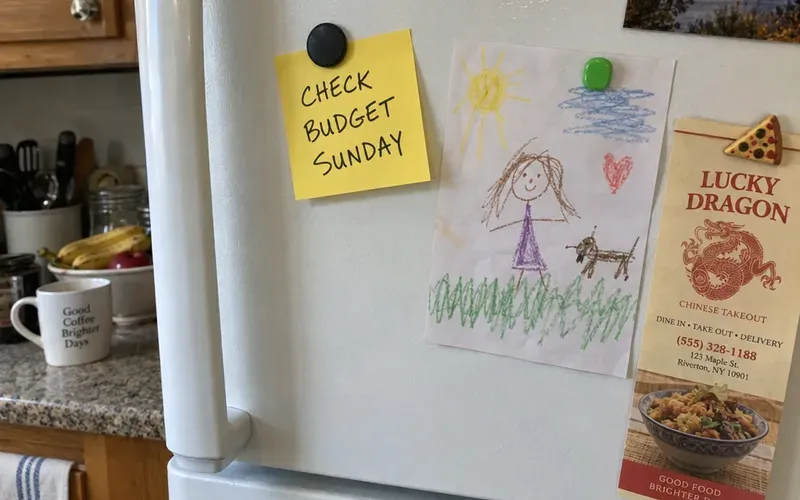
Others write down one goal, such as paying off a credit card or saving for a vacation, and tape it near their desk.
When you slip, fix next week’s plan instead of throwing the whole budget away.
Common Budgeting Mistakes Beginners Make
Most beginner budgeting mistakes come from planning with hopeful numbers instead of real ones, such as budgeting from gross income or guessing what groceries cost.
Here are the ones that trip up beginners most often:
- Budgeting from gross income: a $40,000 salary is never $40,000 to spend, so start from take-home pay after tax.
- Guessing your expenses: groceries, gas and eating out almost always cost more than people think.
- Forgetting yearly expenses: car registration, a twice-yearly premium and holiday gifts still need money each month.
- Cutting too much at once: a plan with no fun money tends to end in one big splurge.
- Skipping the emergency fund: without savings, one surprise bill goes on a credit card and adds new debt.
- Quitting after one bad month: the first few budgets are practice, not a test.
Avoid these, and your first budget will feel much easier by the second or third month.
What to Do After Your First Budget Works
After your first budget works for two or three months, use it to improve your finances beyond the monthly bills. The usual next steps are better bank accounts, paying off high-interest debt, a full emergency fund and then investing.
Here’s how each step builds on your budget.
First, make sure your checking and savings accounts fit how you spend.
Learning a few banking basics, such as how to avoid fees and overdrafts, keeps more of your money in your pocket.
Next, use your budget to pay down any credit card debt with high interest.

Paying bills on time and lowering your card balances also helps you build a strong credit score. A better score can mean lower rates when you borrow for a car or a home.
After your emergency fund is full and high-interest debt is gone, you can start putting money toward retirement and long-term goals.
Simple guides to investing for beginners cover where to start with small amounts.
Your first budget isn’t the finish line, it’s the tool that makes every next money goal possible.
Key Takeaways
- Start with take-home pay. Build your budget from net income, never your gross income.
- Use real numbers. Check last month's bank and card statements instead of guessing.
- Income minus expenses should be above zero. If it isn't, cut variable spending first.
- Make savings a bill. Pay yourself on payday so saving doesn't depend on leftovers.
- Start simple. The 50/30/20 rule and pen and paper are enough for a first budget.
- Check it weekly. Small fixes each week keep the budget working.
Frequently Asked Questions
Should I budget weekly or monthly?
Most beginners should plan monthly, because rent and most bills come once a month. Then check your spending once a week so you can fix problems before the month ends.
What are the different types of budgets?
The most common types for beginners are the 50/30/20 budget, the zero-based budget, the cash envelope system and the pay yourself first budget. They all start from your take-home pay and differ only in how closely you track each dollar.
How can I reduce my monthly expenses?
Start with the line in your budget that grew the most, such as eating out or subscriptions, and cut that one first. Then call your phone, internet and insurance companies to ask for a lower rate.
What is the 50/20/30 budget rule?
The 50/20/30 rule is the same plan as the 50/30/20 rule, written in a different order. You spend 50% of take-home pay on needs, 30% on wants and put 20% toward savings and debt.
Can I make a budget for free?
Yes, a budget costs nothing to make. You can use pen and paper, a free spreadsheet or the free worksheet on consumer.gov.
How long does it take for a budget to work?
Most first budgets need two or three months of small fixes before the numbers match real life. Each month you will guess less and know more.
The Bottom Line
Budgeting for beginners is one simple loop: plan your take-home pay, write down what you spend, then check and fix it each month.
Pick one evening this week, gather your bills and pay stubs, and write your first budget on paper before the next payday.

Jason is a personal finance expert and the founder of Frugal For Less. He has spent over a decade researching and testing hundreds of money making apps, survey sites, and savings strategies to help readers earn more and keep more of their hard-earned cash.
More about the author