12 Money Hacks That Cut Your Bills and Build Your Savings

Moving $40 a week into savings is one of the easiest money hacks you can start. Blogger Leo Babauta says the transfer he barely notices saves him about $2,000 a year.

Disclosure: This post may contain affiliate links. As an Amazon Associate, we earn from qualifying purchases. This comes at no extra cost to you. Read our full disclosure, or see how we review platforms.
Moving $40 a week into savings is one of the easiest money hacks you can start. Blogger Leo Babauta says the transfer he barely notices saves him about $2,000 a year.
Most of the 12 hacks below take less than an hour to set up. A few take a single phone call.
None of them need a full personal finance plan or a spreadsheet, and none ask you to give up the things you enjoy.
Pick the one that fits your problem:
- Paying for apps you never open? Start with #1.
- Bills that keep creeping up call for #2 and #3.
- If there’s never money left to save, #4 moves it before you can spend it.
- A grocery bill that’s too high is a job for #5 and #6.
- When impulse buys are the problem, #7 and #10 slow them down.
12 Money Hacks, Ranked by How Fast They Pay Off
The 12 money hacks that pay off fastest start with canceling forgotten subscriptions and asking for a lower internet or phone rate. Autopay and automatic savings come next.
The first 3 can change your very next bill.
Here’s the whole list at a glance:
The 12 money hacks at a glance
| # | Money hack | Starts saving | Jump to it |
|---|---|---|---|
| 1 | Cancel forgotten subscriptions | This month | See #1 |
| 2 | Ask for a lower internet and phone rate | This month | See #2 |
| 3 | Put your bills on autopay | Next bill | See #3 |
| 4 | Move money to savings on payday | Next paycheck | See #4 |
| 5 | Shop your pantry before the grocery store | Next trip | See #5 |
| 6 | Use cash back only on planned buys | Next trip | See #6 |
| 7 | Put wants on a 30-day list | Within a month | See #7 |
| 8 | Pay with cash envelopes | Within a month | See #8 |
| 9 | Empty your change into a jar | A few months | See #9 |
| 10 | Unsubscribe from store emails | A few months | See #10 |
| 11 | Pick one no-spend day a week | A few months | See #11 |
| 12 | Protect your credit score | Several months | See #12 |
1. Cancel the Subscriptions You Forgot About
Open your last 2 bank and credit card statements and mark every charge that repeats each month. Streaming services, app trials, cloud storage and gym memberships are the usual ones, and they’re easy to miss because each one is small.
Here’s a made-up example. Say you find 3 forgotten charges of $8.99, $11.99 and $14.99.
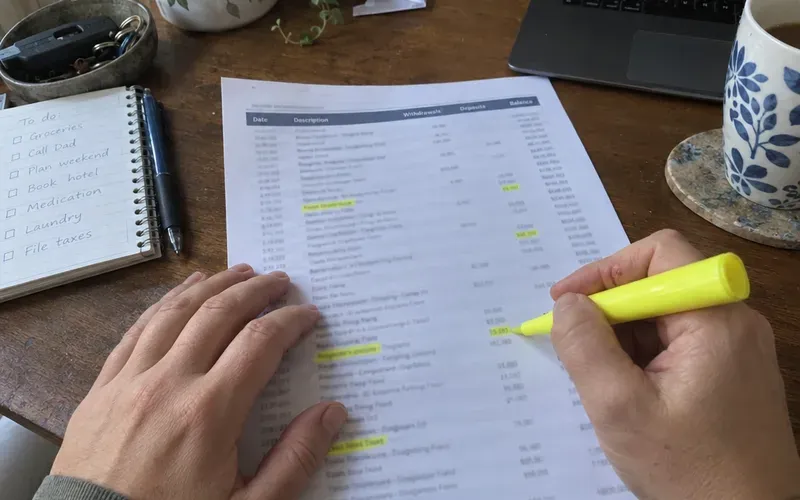
That’s $35.97 a month, or $431.64 a year, for things you stopped using.
Cancel each one on the company’s own website or app, and save the confirmation email. Then check next month’s statement to make sure the charge really stopped.
If a company makes canceling hard, call your card issuer and ask how to stop future charges from that merchant. Forgotten subscriptions are one of the biggest hidden money wasters, and they’re the easiest to fix.
| 🎯Best For | Anyone who pays for streaming, apps or memberships |
|---|---|
| 💰Cost | Free |
| 💵Payoff | Each charge you cancel, every month |
| ⏰Time | About 30 minutes |
| 👉First Step | Download your last 2 statements tonight and highlight every repeat charge |
2. Ask Your Internet and Phone Company for a Lower Rate
Call your internet, phone and insurance companies once a year and ask for their lowest current rate. A bill doesn’t drop just because the company shows cheaper plans on its website.
Before you call, look up the price the company advertises to new customers for your plan.
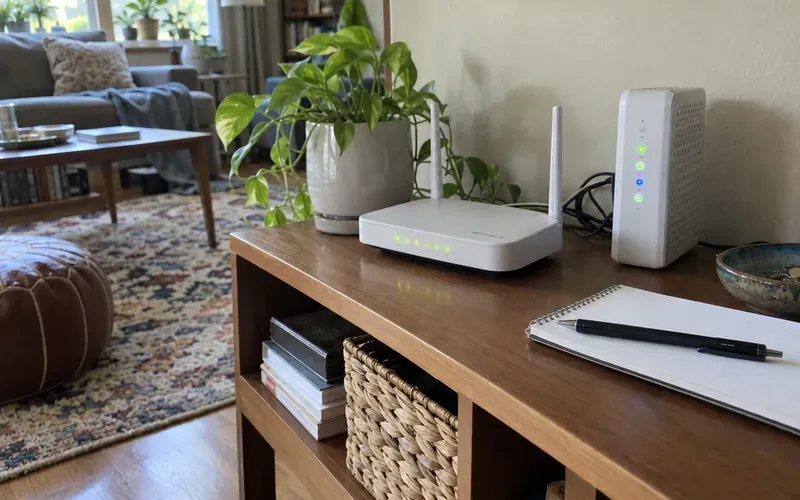
Here’s the deal: the first person you talk to may not be able to change your price. Ask whether there’s a loyalty or retention team that can review your plan.
You can read this from your phone when you call:
Hi, I’ve been a customer for [number] years, and I see your website offers [plan] for [price]. Can you match that rate, or find me a cheaper plan with the same speed?
If they say no, ask which plans cost less, and get one quote from another provider before you decide to switch. A call like this is one of the fastest ways to save money on bills every month.
For the power bill, an energy-saving habit like turning the thermostat down when nobody’s home helps too. These everyday expense cuts cover more monthly bills you can trim the same way.
| 🎯Best For | Anyone who has had the same internet, phone or insurance plan for over a year |
|---|---|
| 💰Cost | Free |
| 💵Payoff | The price cut you get, on every bill after |
| ⏰Time | 20 to 40 minutes per call |
| 👉First Step | Find your current plan's price and the new-customer price before you call |
3. Put Your Bills on Autopay
Camden National Bank’s money-saving guide says automating your monthly payments means you never forget a bill. Some companies even give you a discount for using autopay, so ask each provider whether it offers one.
A missed due date can mean a late fee, and that fee buys you nothing.
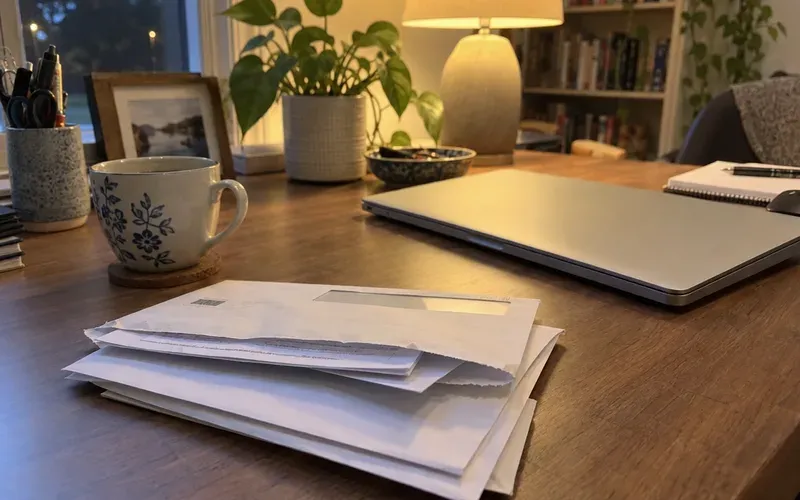
Set credit cards to pay the full statement balance when your budget allows, since a balance you carry becomes debt that costs interest.
The risk is an overdraft if your checking account runs low on a payment day. Pick due dates a day or two after payday, and keep a small cushion of cash in checking.
| 🎯Best For | Anyone who has ever paid a late fee or forgotten a due date |
|---|---|
| 💰Cost | Free |
| 💵Payoff | No more late fees, plus an autopay discount where a company offers one |
| ⏰Time | About 10 minutes per bill |
| 👉First Step | Log in to your biggest bill's account and look for an autopay or paperless discount |
4. Move Money to Savings Automatically on Payday
The easiest way to save is to have the money leave your checking account on payday, before you get a chance to spend it.
Camden National Bank suggests 2 ways to do it. You can set an automatic monthly transfer from checking to savings, or have part of each paycheck deposited into your savings account.
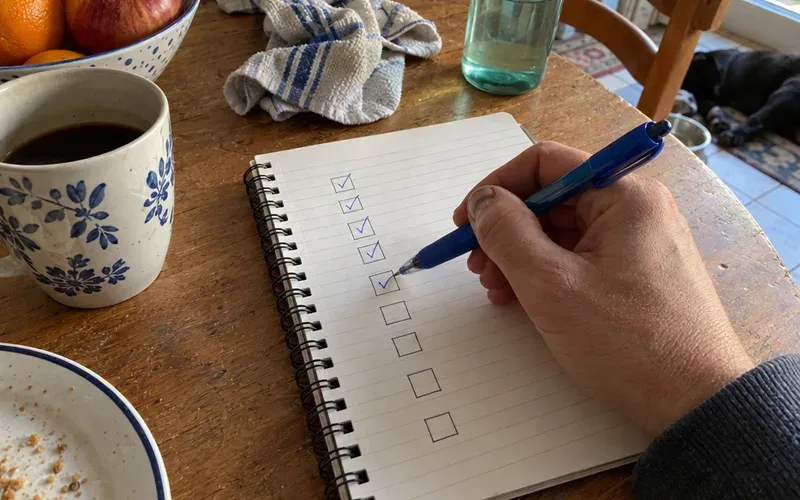
The best part? Once it’s set up, you never have to decide to save again.
Leo Babauta wrote on his blog Zen Habits that he moves $40 a week to savings, a transfer he barely notices. He says it saves him about $2,000 a year on top of his bigger transfers.
That’s one person’s result, but it shows how a small weekly amount adds up.
Start with an amount you won’t miss, even $10 or $20, and raise it each time your pay goes up. Keep the savings in a separate bank account, ideally at a different bank, so it’s harder to move back on a whim.
For bigger goals, these ways to save $20,000 build on the same automatic transfer.
| 🎯Best For | Anyone who means to save "whatever is left" and never has anything left |
|---|---|
| 💰Cost | Free |
| 💵Payoff | About $2,000 a year at $40 a week, as Babauta reports for himself |
| ⏰Time | About 15 minutes |
| 👉First Step | Open your bank app and schedule a weekly transfer for the day after payday |
5. Shop Your Pantry Before the Grocery Store
Check your fridge, freezer and kitchen cupboards before you write a grocery list, then plan the week’s menu around what’s already there. Food you forget about ends up in the trash, and buying something you already have is money spent twice.
Pick 4 or 5 dinners for the week’s meal plan, and add only the missing ingredients to the list. Write the list on your phone so it’s with you in the grocery store.
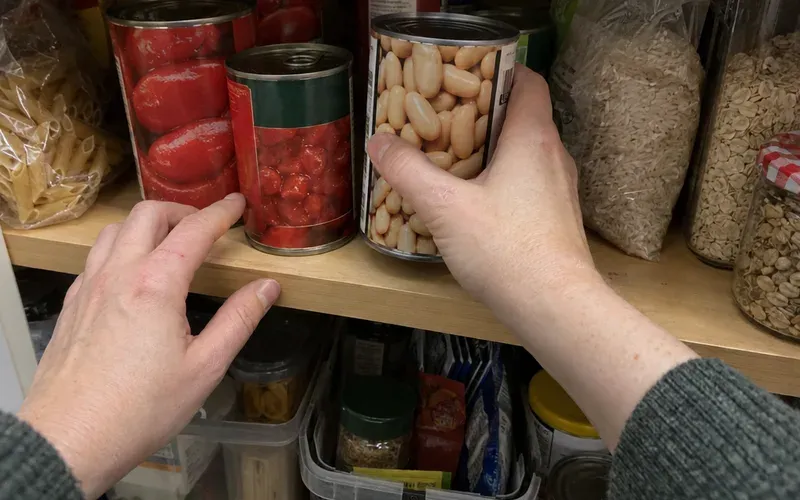
The catch? It takes 10 minutes before every trip, and that’s easy to skip on a busy week.
Swapping name-brand items for store brands, or trying a discount grocer like ALDI, comes next. These frugal shopping tips show where to look on the shelf.
| 🎯Best For | Anyone who throws away food or buys doubles of things at home |
|---|---|
| 💰Cost | Free |
| 💵Payoff | Less wasted food and fewer extra items in your cart |
| ⏰Time | 10 minutes before each trip |
| 👉First Step | Before your next trip, list 3 things in your fridge that need to be eaten this week |
6. Use Cash Back Only on Things You Already Planned to Buy
Cash back apps and sites pay you a small share of what you spend, so they save money only on purchases you would make anyway.
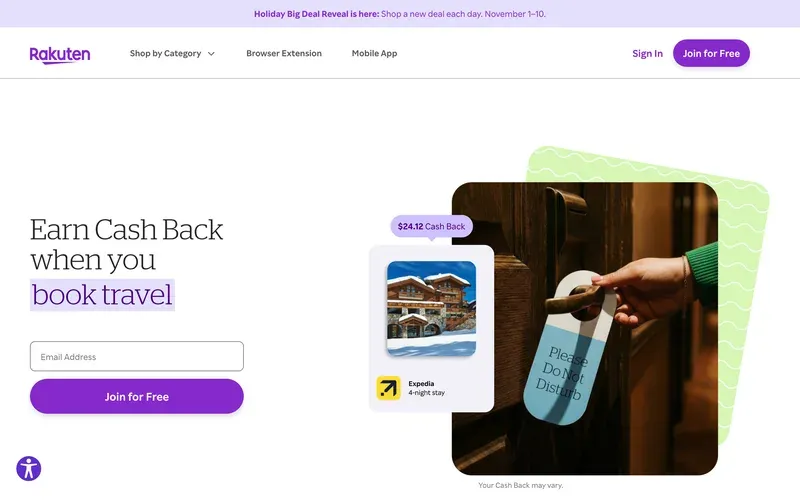
Camden National Bank’s guide also points out that some apps reward you with cash or gift cards for scanning receipts. It adds that a browser plug-in can search for discount codes when you shop online.
Rakuten pays cash back when you start your online shopping through it, as our Rakuten review explains. For groceries, Ibotta pays cash back on offers you add before you shop, and Fetch gives you points for scanning receipts.
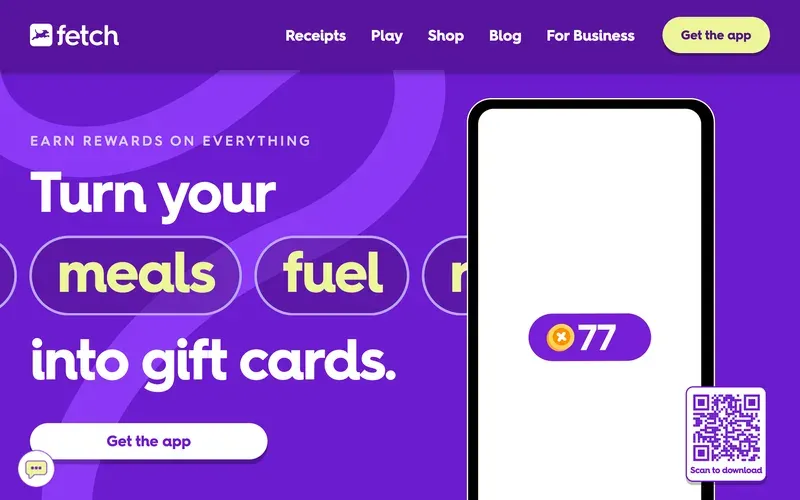
What does that mean for you? A $5 reward on a $60 cart you didn’t need is still a $55 loss.
Our Ibotta review walks through how its offers and cash-outs work, and this list of cash back apps compares more of them.
| 🎯Best For | Anyone who already shops online or buys groceries each week |
|---|---|
| 💰Cost | Free to join |
| 💵Payoff | A small share back on what you already spend |
| ⏰Time | 5 minutes to set up, a minute per purchase |
| 👉First Step | Pick one app for online shopping and one for groceries, and use only those two for a month |
| 📖Full Review | Our Ibotta review |
7. Put Wants on a 30-Day List
The 30-day rule means you write down anything you want but don’t need, wait 30 days, then decide whether to buy it. Waiting gives the urge time to fade, so what’s left is a calm choice.
Leo Babauta describes the same habit on his blog. Anything he doesn’t absolutely need goes on a 30-day list, and by day 30 the strong urge is usually gone.

Write the item, the price and the date in a note on your phone, whether it’s clothing, a gadget or furniture. When the date comes, buy it only if you still want it and it fits your budget, and check thrift stores first.
For smaller buys, leave the item in your online cart and come back after 24 hours.
| 🎯Best For | Impulse buyers, especially online |
|---|---|
| 💰Cost | Free |
| 💵Payoff | Every purchase you decide to skip |
| ⏰Time | A minute per item |
| 👉First Step | Start a note called "30-day list" on your phone today |
8. Pay for Groceries and Fun Money With Cash Envelopes
The envelope system splits your spending cash into labeled envelopes, such as groceries, gas and fun money. When an envelope is empty, you stop spending in that category.
Handing over cash means you watch the money leave your wallet. A debit card tap is easy to forget by the end of the week.
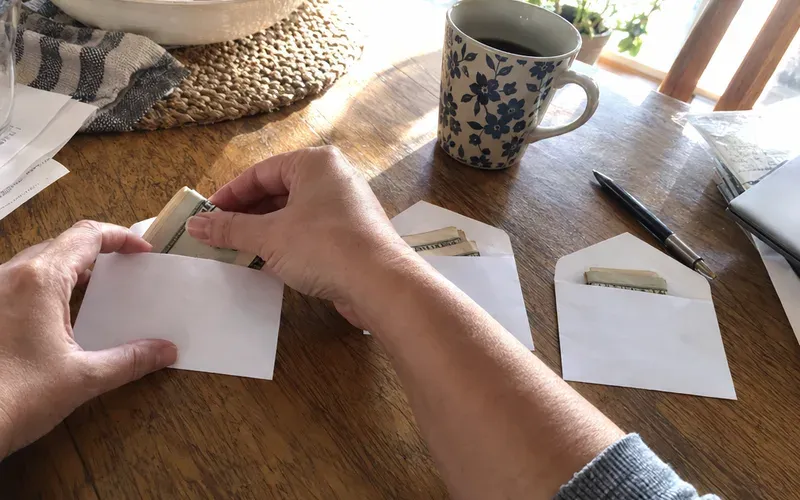
Take out the week’s cash on payday and split it into the envelopes right away. Keep rent, utilities and other fixed bills on autopay, and use envelopes only for flexible expenses.
Any cash left at the end of the week can go straight into savings.
| 🎯Best For | Anyone whose card spending is hard to keep track of |
|---|---|
| 💰Cost | Free |
| 💵Payoff | A hard stop on overspending in each category |
| ⏰Time | 10 minutes each payday |
| 👉First Step | Label 3 envelopes for groceries, gas and fun money this payday |
9. Empty Your Change Into a Jar Every Night
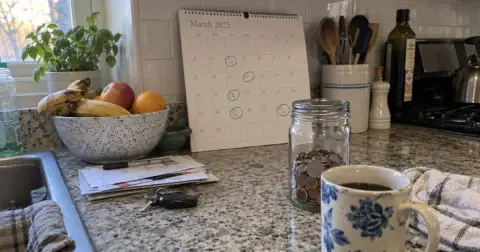
Drop every coin from your pockets, purse and car into one jar each night. Deposit it when the jar is full, and give that money one job, like a holiday gift fund.
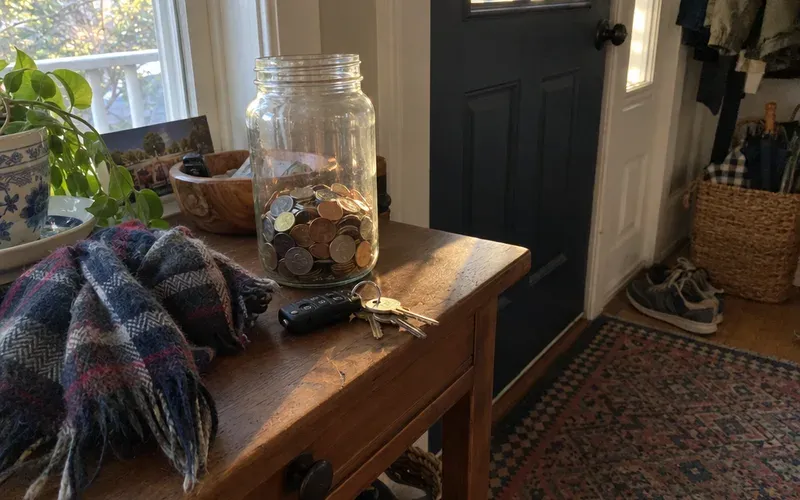
Some banks offer a round-up feature that moves spare change from debit card buys to savings.
Ask your bank whether it counts coins for free before you cash in the jar. A Coinstar kiosk can charge a fee when you take cash, so check before you pour.
| 🎯Best For | Anyone who still pays with cash now and then |
|---|---|
| 💰Cost | Free |
| 💵Payoff | A small fund for one goal |
| ⏰Time | A few seconds a day |
| 👉First Step | Put an empty jar by the door tonight |
10. Unsubscribe From Store Emails and Sale Alerts
Unsubscribe from store emails, turn off shopping app alerts and remove saved card details from shopping sites. Each sale email gives you a reason to shop when you didn’t plan to.
Saved card details make a purchase one click away.
Keep one email folder for receipts and order updates, and unsubscribe from everything else.
If you like deals, a few smart deal stacking tips work better than a full inbox.
| 🎯Best For | Anyone who buys things because an email said "sale" |
|---|---|
| 💰Cost | Free |
| 💵Payoff | Fewer unplanned purchases each month |
| ⏰Time | About 20 minutes |
| 👉First Step | Search your inbox for "unsubscribe" and clear the first 20 stores |
11. Pick One No-Spend Day a Week
A no-spend day is a day when you buy nothing except true emergencies, and one a week is an easy place to start.
Plan it for a day you’re usually home, and put lunch, a snack and a water bottle in a bag the night before. Choose free plans for that day, like a walk, a library visit or a movie you already own.

Here’s a made-up example.
Say you usually spend $15 on lunch, coffee and bottled water that day. One no-spend day a week then keeps $780 a year in your pocket.
Write down what you would have spent each week, and move that amount to savings. These free hobbies give you more ideas for days with no spending.
| 🎯Best For | Anyone who spends a little every day without noticing |
|---|---|
| 💰Cost | Free |
| 💵Payoff | What you would have spent that day, every week |
| ⏰Time | A few minutes of planning the night before |
| 👉First Step | Pick next week's no-spend day and put it in your calendar |
12. Protect Your Credit Score to Lower Other Bills
Camden National Bank’s guide notes that your credit score sets the rate on your loans. Your insurance and utility companies may also use it to calculate your rate.
Why does that matter? A better score can mean lower rates on car insurance and utilities, not only on loans.
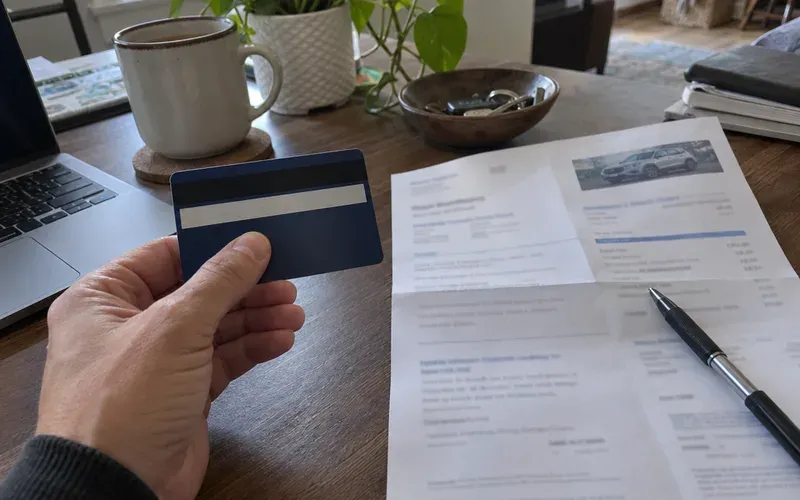
Pay every bill on time, which autopay (#3) handles, and keep your credit card balances low.
Check your credit reports for mistakes, and dispute anything that isn’t yours.
| 🎯Best For | Anyone with a loan, a credit card or a car insurance bill |
|---|---|
| 💰Cost | Free |
| 💵Payoff | Lower interest rates on loans, and on insurance or utilities where they use your score |
| ⏰Time | A few minutes a month |
| 👉First Step | Turn on autopay for every credit card minimum today |
How I Ranked These Money Hacks
I ranked these money hacks by how soon each one starts saving you money, from your next bill to the next few months. Hacks that cut a bill you already pay come first, because the savings show up on your next statement.
Slower habits, like a change jar or a better credit score, come later. Every hack on the list is free to start.
Money Hacks That Cost You More Than They Save
The money hacks to avoid are the ones that make you spend more to save, or borrow cash to cover a small gap.
Watch out for these:
- Buy now, pay later for everyday buys. Splitting small purchases into payments makes them feel cheaper, and several plans at once turn into debt that’s hard to track. Read the terms for late fees before you agree.
- Stocking up on sale items you won’t use. A deal on food that passes its shelf life or a product you never open saves you nothing.
- Spending more to reach a cash back minimum. An extra item bought to unlock a reward usually costs more than the reward pays.
- Discount gift cards you forget about. A gift card bought at a discount still loses money if part of it never gets used.
- Quick loans to cover a small gap. A short loan can cost far more than it looks once fees are added, so ask for the total cost in dollars before you sign.
If you need money in a hurry, these things to sell for fast cash are a safer first move than borrowing. For hacks that bring money in, like bank bonuses and an employer’s 401(k) match, see these free money hacks.
Which Money Hack Should You Start With?
The best money hack to start with is an automatic savings transfer on payday. Once it’s set up, it keeps working every month without any willpower.
If money is too tight to save right now, start with #1 and #2 instead, since they free up cash first.
Try one hack a week instead of all 12 at once.
After a month, look at your bank statement and keep the hacks that moved the numbers. Once you have an emergency cushion, the same payday transfer can feed an investment account too.
Key Takeaways
- Automate first. A payday transfer to savings works without any willpower once it's set up.
- Cut repeat costs next. Canceled subscriptions and lower rates save money on every bill after.
- Use apps only on planned buys. Cash back saves money only when you would have bought the item anyway.
- Slow down your wants. A 30-day list and fewer store emails help you skip impulse buys.
- Watch your credit score. Insurers and utilities may use it, so on-time payments can lower more than loan rates.
Frequently Asked Questions
What is the best money hack?
The best money hack for most people is an automatic transfer to savings on payday, because the money moves before you can spend it. Start with an amount you won’t miss and raise it each time your pay goes up.
What is the $27.39 rule?
The $27.39 rule is a savings challenge where you set aside $27.39 every day, which adds up to $9,997.35 in a year. If that’s too much for your budget, $2.74 a day gets you about $1,000 instead.
What are some money hacks most people don’t know?
Two money hacks many people miss are autopay discounts and the link between your credit score and your insurance and utility rates. Camden National Bank’s money guide mentions both, so ask your providers whether either applies to you.
Do cash back apps actually save you money?
Cash back apps save you money only on things you already planned to buy, because the reward is a small share of what you spend. Check each app’s cash-out minimum before you start, so small rewards don’t sit unused.
How can I lower my monthly bills fast?
The fastest way to lower your monthly bills is to cancel subscriptions you don’t use and call your internet and phone companies to ask for their lowest current rate. Both changes can show up on your very next bill.
How can I get extra money fast?
Extra money fast usually comes from selling things you no longer use or picking up quick gig work, not from saving hacks. These fast cash ideas include options that can pay the same day.
The Bottom Line
Money hacks work best when you set them up once and let them run in the background.
Start this week with your last 2 bank statements: cancel one forgotten charge, then move that same amount into savings on your next payday.

Jason is a personal finance expert and the founder of Frugal For Less. He has spent over a decade researching and testing hundreds of money making apps, survey sites, and savings strategies to help readers earn more and keep more of their hard-earned cash.
More about the author